Why Choose an Alternating Pressure Mattress?
An Alternating Pressure Mattress is designed to change the pressure beneath the body at set intervals. Its air cells inflate and deflate in a repeating cycle. This shifts contact points across the mattress surface. For someone spending long periods in bed, that movement may help reduce sustained pressure on vulnerable areas such as the heels, hips, and sacrum.
The technology is useful, but not a cure-all. Professor Amit Gefen, a biomedical engineer whose research examines pressure-injury biomechanics, has shown why visible skin changes may not tell the whole story. A concise summary of this research is: “Pressure-related tissue damage can begin beneath skin that appears intact.” This is a summary, not a verbatim quotation. It points to a practical concern: caregivers should check skin and comfort, even when the surface looks normal.
Fit matters. So does setup. Mattress selection should reflect the person’s mobility, body weight, medical needs, and care environment. A nurse or wound-care professional can help assess these factors and explain how to use the system safely. Listen for the pump. Notice whether the cells cycle. Check that bedding does not obstruct airflow, and respond if the user reports discomfort. These small details matter.
An alternating system can support a broader prevention plan, alongside repositioning, skin care, nutrition, and clinical monitoring. Results vary. Some users may find the motion unfamiliar, or the pump too noticeable at night. That deserves attention, not dismissal. The right choice is the one that fits the person’s needs and is reviewed as those needs change.
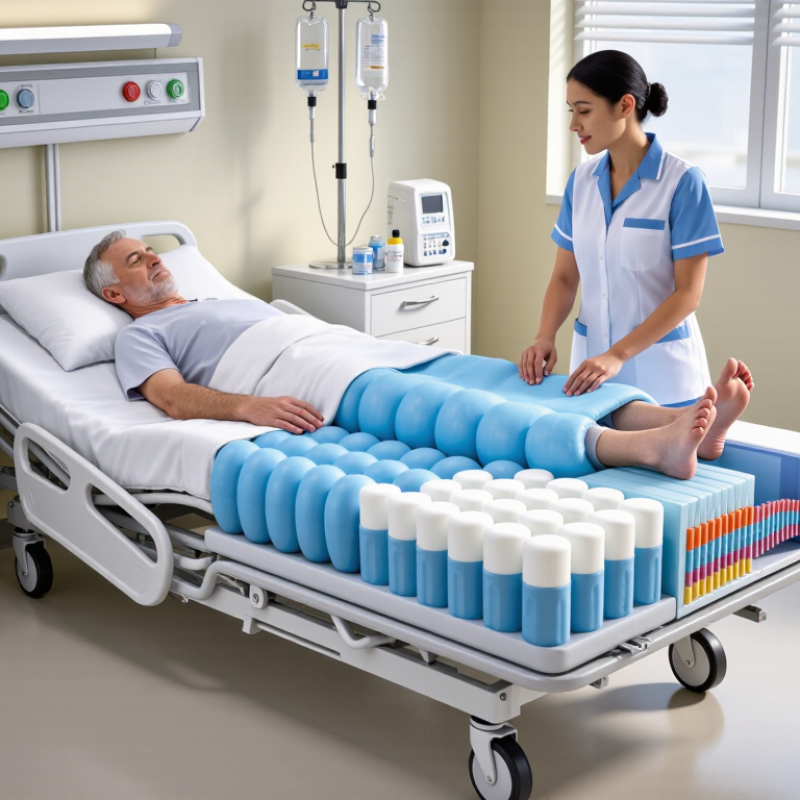
What an Alternating Pressure Mattress Is
An alternating pressure mattress uses air-filled cells connected to a small electric pump. The pump changes which cells are inflated, following a repeating cycle. As one group firms, another softens, shifting the body's contact points over time. This can reduce prolonged pressure on areas such as the heels, hips, and shoulders. That is the basic idea.
Some systems replace a standard mattress; others sit on top of one. Settings and cycle timing vary, so the equipment should suit the person's needs and bed. It is not a cure-all. Regular repositioning and skin checks may still be needed, especially for someone with limited mobility or existing skin concerns. A nurse or other qualified clinician can help assess whether this type of surface is appropriate and explain its setup. The pump may make a gentle hum, and air cells can feel different from a firm mattress. Those details matter in daily use. If redness persists or skin breaks down, seek professional advice rather than relying on the mattress alone.
Why Choose an Alternating Pressure Mattress? - What an Alternating Pressure Mattress Is
| Dimension | What It Means | Why It Matters |
| Basic design | A powered mattress or mattress overlay contains air cells connected to a pump. | The pump changes the air pressure in selected cells to provide alternating support. |
| Alternating action | Groups of cells inflate and deflate in a repeating cycle. | The changing support shifts pressure across different areas of the body over time. |
| Pressure management | The system is designed to redistribute pressure; it does not remove pressure completely. | It may be considered as part of a pressure-injury prevention or care plan for people at risk. |
| Compared with a static foam surface | A static foam mattress provides support without powered, cyclic inflation and deflation. | The two surface types work differently; the appropriate choice depends on an individual assessment. |
| Power and setup | An alternating pressure system needs a compatible pump and a suitable power source. | Check placement, connections, operating instructions, and any alarm guidance before use. |
| Comfort and fit | Feel, support, noise, and available dimensions vary by system and user. | Confirm bed compatibility and consider comfort, mobility, and care needs when selecting a surface. |
| Care routine | The mattress is one part of a wider prevention and treatment plan. | Follow clinical advice for repositioning, skin checks, moisture management, and other care measures. |
Selection note: Suitability depends on the person’s condition, risk level, care setting, and the specific mattress system. Seek advice from a qualified healthcare professional.
How Alternating Pressure Supports the Body
Why Choose an Alternating Pressure Mattress?
How Alternating Pressure Supports the Body
An alternating pressure mattress changes which air cells carry the body’s weight. One set softens as another inflates, shifting pressure beneath the hips, heels, and shoulders. The movement is subtle, not a massage. For someone who spends long periods in bed, it can reduce continuous loading on vulnerable skin.
Pressure injuries remain a significant care concern. The U.S. Agency for Healthcare Research and Quality estimates that more than 2.5 million people develop pressure ulcers each year in U.S. acute-care settings. Alternating pressure is one way to redistribute load, but it cannot remove every risk. Moisture, limited mobility, nutrition, and existing wounds still matter. It is not a cure.
The mattress should suit the person, not just the bed. Clinicians consider body weight, comfort, skin condition, and how much movement the person can manage. The 2019 International Guideline from EPUAP, NPIAP, and PPPIA advises individualised repositioning even when a pressure-redistributing surface is used. A caregiver might check that the heels are clear of the mattress and inspect skin during routine care. Some users find the cycling distracting at first. That deserves attention, too. A clinician can review settings and fit; regular skin checks remain essential.
Why Choose an Alternating Pressure Mattress?
How Alternating Pressure Supports the Body
Alternating pressure systems shift support between different cell groups, allowing one group to reduce support while another takes over. This chart illustrates that operating sequence only; it is not a pressure measurement. Cycle timing and pressure settings vary by mattress and user.
Who May Benefit from Using One
Who May Benefit from Using One
An alternating pressure mattress may help people who cannot change position easily, including those with spinal cord injuries, advanced frailty, or prolonged recovery after surgery. It cyclically changes pressure beneath the body, which may reduce continuous loading on vulnerable areas such as the heels, hips, and sacrum. Small shifts matter.
The Agency for Healthcare Research and Quality’s hospital prevention toolkit estimates that about 2.5 million people in the United States develop pressure ulcers each year. This figure highlights the scale of the problem, not a guarantee that a particular mattress will prevent injury.
People with existing pressure injuries or a high assessed risk may benefit, especially when repositioning is difficult. The 2019 International Guideline from EPUAP, NPIAP, and PPPIA recommends choosing support surfaces according to a person’s mobility, skin condition, comfort, and care setting. A clinician should assess these factors before use.
The mattress is one part of care, alongside skin checks, nutrition, moisture management, and repositioning where appropriate.
A practical detail: check that the person remains comfortably supported when the mattress cycles. It is easy to assume the equipment is doing enough. It isn’t always.
Key Benefits for Comfort and Pressure Relief
An alternating pressure mattress gently changes the air level in separate cells, shifting support beneath the body. The movement can ease prolonged pressure on areas such as heels, hips, and shoulders. It may also make resting feel less rigid. Small shifts matter. Some people notice the cycle; others find it barely noticeable, and comfort is personal.
The Agency for Healthcare Research and Quality has reported that more than 2.5 million patients in the United States develop pressure ulcers each year in acute-care settings. A 2021 Cochrane review found that alternating-pressure air surfaces may reduce pressure-ulcer risk compared with foam surfaces: the estimated relative risk was 0.63 across nine studies involving 2,245 participants. The evidence supports potential benefit, not a guarantee.
For comfort, consider mattress noise, warmth, transfer needs, and whether the movement disrupts sleep. Check skin regularly, especially over bony areas, and follow an individualized repositioning plan. A mattress cannot replace routine care. And the fit can be imperfect: settings that help one person may feel unsettled to another. Discuss persistent discomfort or skin changes with a qualified clinician.
Factors to Consider When Choosing a Mattress
Why Choose an Alternating Pressure Mattress?
Factors to Consider When Choosing a Mattress
An alternating pressure mattress uses air cells that inflate and deflate in cycles, shifting pressure across the body. The right choice depends on the person using it, not just the pump settings. Check the mattress size against the bed frame, and confirm the recommended weight range. A poor fit can leave gaps at the sides or make transfers awkward.
Fit matters.
Consider how the mattress feels during ordinary care. Some systems make a steady humming sound, which may disturb light sleepers in a quiet room. Ask about adjustable cycle times and pressure settings, and have a clinician help match them to the person’s needs. Easier controls can matter when caregivers adjust settings at night.
Check that the cover is removable and easy to wipe clean. A small seam or stiff edge can become irritating over long periods; it is easy to overlook that detail. Also look for clear instructions, an alarm for power or pressure problems, and a plan for outages. These mattresses can support pressure redistribution, but they do not replace skin checks, repositioning, or individualized medical advice.