Top 5 Industrial Infrared Heaters You Need to Know About?
Industrial Infrared Heaters have gained attention for their efficiency and effectiveness in various applications. According to a report from MarketsandMarkets, the infrared heating market is projected to reach $2.6 billion by 2025. This is a testament to the growing adoption of these technologies in industries such as manufacturing, automotive, and food processing.
These heaters operate by emitting infrared radiation, which directly heats objects and surfaces. This targeted heating results in energy savings of up to 70% compared to traditional heating methods. Nevertheless, while their benefits are clear, the selection of the right model is crucial. Not every heater suits every application, and improper choices can lead to suboptimal results and increased costs.
In this context, understanding the top industrial infrared heaters is essential for businesses aiming to enhance operations. Features such as power levels, heating ranges, and durability should be scrutinized. Decision-makers must prioritize models backed by solid performance data. With the right information, companies can harness the full potential of industrial infrared heaters for improved efficiency and productivity.
Understanding the Basics of Industrial Infrared Heaters
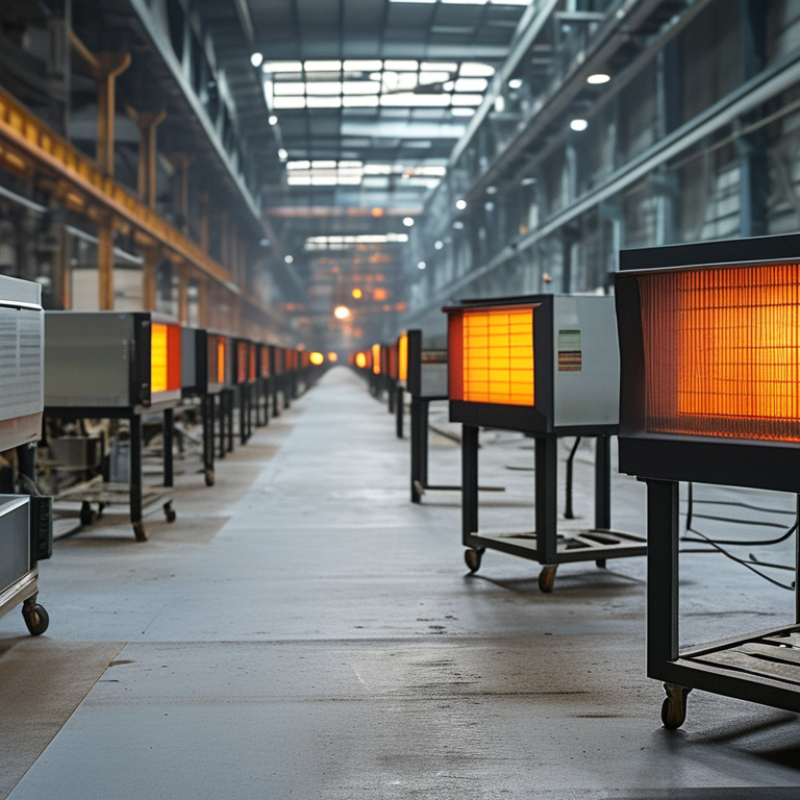
Industrial infrared heaters are gaining traction due to their efficiency. These heaters use infrared radiation to transfer heat directly to objects. This method minimizes energy loss, making them suitable for various applications.
Understanding their basics is essential for effective use. These heaters come in different types, including short-wave and long-wave models. Short-wave heaters provide instant heat, ideal for fast drying processes. Long-wave heaters, however, deliver more even heating, suitable for larger spaces. Knowing the right type for your situation can greatly enhance productivity.
Installation and maintenance are critical. Proper placement affects heating efficiency. Regular checks ensure the heaters operate safely and effectively. Sometimes, users overlook these aspects. Ignoring setup and upkeep can lead to poor performance. This can impact both safety and output quality.
Key Features to Consider When Choosing Infrared Heaters
When selecting infrared heaters for industrial applications, understanding the key features is crucial. One significant aspect is the heater's wavelength. Short-wave infrared heaters typically provide intense heat, ideal for quick applications like curing. Conversely, medium and long-wave heaters offer more gentle warming, suitable for larger areas and extended heating durations. According to a recent market analysis, nearly 60% of industrial users prefer short-wave options for their rapid response times.
Another essential feature is energy efficiency. Infrared heaters can be highly efficient, often exceeding 90%, compared to conventional heating methods. Reports indicate that companies adopting these heaters report a 30% reduction in energy costs in some cases. However, the choice should also consider the heater's installation requirements. Some models demand specific mounting mechanisms or require more space, potentially complicating integration into existing setups.
Lastly, safety features should not be overlooked. Many industrial settings pose risks, and heaters must include mechanisms to prevent overheating and short-circuits. Despite advancements, users often overlook these safety standards, which can lead to hazardous situations. Being aware of these key features helps ensure that the right thermal solution is not only effective but also safe and efficient for industrial operations.
Top 5 Industrial Infrared Heaters - Key Features Comparison
Top Brands and Models of Industrial Infrared Heaters in the Market
When considering industrial infrared heaters, several top brands and models stand out due to their efficiency and reliability. Infrared heaters work by converting electricity into heat through infrared radiation, making them particularly effective for spot heating in large industrial spaces. According to a recent report from Market Research Future, the global infrared heating market is projected to grow significantly, driven by technological advancements and increasing demand for energy-efficient solutions.
Among the leading models, several have been recognized for their performance. Many of these heaters utilize carbon, ceramic, or quartz elements, each offering specific advantages. Carbon heaters, for example, provide quick heat-up times and are often favored in assembly lines. Meanwhile, ceramic heaters are appreciated for their durability, with estimates showing a lifespan of over 10,000 hours under normal use. This flexibility allows managers to choose the best option for their specific applications.
While many industrial infrared heaters claim superior energy efficiency, it's crucial to evaluate actual performance. A noticeable gap often exists between advertised and real-world efficiency metrics. This discrepancy can affect operational costs. Some heaters may require recalibration or adjustments to achieve optimal performance, potentially complicating maintenance protocols. Regular assessments can help bridge this gap and ensure that heaters perform as expected.
Applications of Infrared Heaters Across Various Industries
Infrared heaters are gaining traction across various industries due to their efficiency and versatility. Factories utilize these heaters for processes like curing, drying, and heating. They emit infrared radiation that warms objects directly, which can save energy and time compared to traditional heating methods. This direct heat application improves production outputs and lower costs.
In the food processing sector, infrared heaters prove indispensable. They are used for cooking, thawing, and drying food products. The even heat distribution ensures consistent quality. Yet, there have been instances where improper settings led to uneven results. Operators must remain vigilant and adjust settings based on specific food types and thicknesses.
The automotive industry also benefits from infrared technology. Manufacturers use these heaters for paint curing and adhesive bonding. The speed of these processes can enhance throughput. However, calibration is crucial. Inaccurate temperatures can lead to defects. Workers need ongoing training to manage the complexities of these systems. Thus, while the applications are promising, constant monitoring and adjustment are required for optimal results.
Energy Efficiency and Safety Considerations for Infrared Heating Systems
Energy efficiency is a crucial factor in evaluating infrared heating systems. A report by the U.S. Department of Energy indicates that infrared heaters can be up to 80% efficient. This contrasts sharply with traditional heating methods, which often lose a significant amount of heat through conduction. The infrared technology heats objects directly rather than the air, minimizing energy waste. Business owners can save on energy bills while also reducing their carbon footprint.
Safety is another key consideration for infrared heating systems. Many models come equipped with features like automatic shut-off and overheat protection. According to the National Fire Protection Association, improper heating is a leading cause of home fires. Thus, understanding the safety mechanisms of these heaters is vital, particularly in industrial settings where combustible materials may be present. It's essential to follow operational guidelines to minimize risks while maximizing performance.
Despite these advancements, challenges remain. The initial cost of infrared heating systems can be high compared to traditional options. Businesses must weigh the long-term savings against upfront investments carefully. Regular maintenance is also necessary to ensure optimal performance. Overlooking systematic checks can lead to inefficiencies. These factors should be deliberated to make informed decisions in adopting infrared heating technology.