Top Flux Core Welders for Every Project Needs?
In the world of welding, the right equipment can make all the difference. A Flux Core Welder stands out as a versatile tool. It caters to a range of projects, from automotive repairs to heavy fabrication. According to a 2022 industry report by the American Welding Society, nearly 30% of welders prefer flux-cored processes for their effectiveness in outdoor applications. This preference underscores their practicality and reliability in challenging environments.
However, not all flux core welders are created equal. Choosing the right model involves assessing project requirements and skill levels. Some welders may find entry-level options sufficient for simple tasks. Others, however, might require high-performance machines for industrial work. Statistics show that 40% of new welders struggle with optimal settings, highlighting the need for education in this area.
When considering the best flux core welder, users should reflect on their past experiences. It’s essential to weigh the feedback from expert reviews and community ratings. The right choice often combines personal preference with technical specifications. This balance can significantly impact project outcomes, both positively and negatively.
Overview of Flux Core Welding Technology
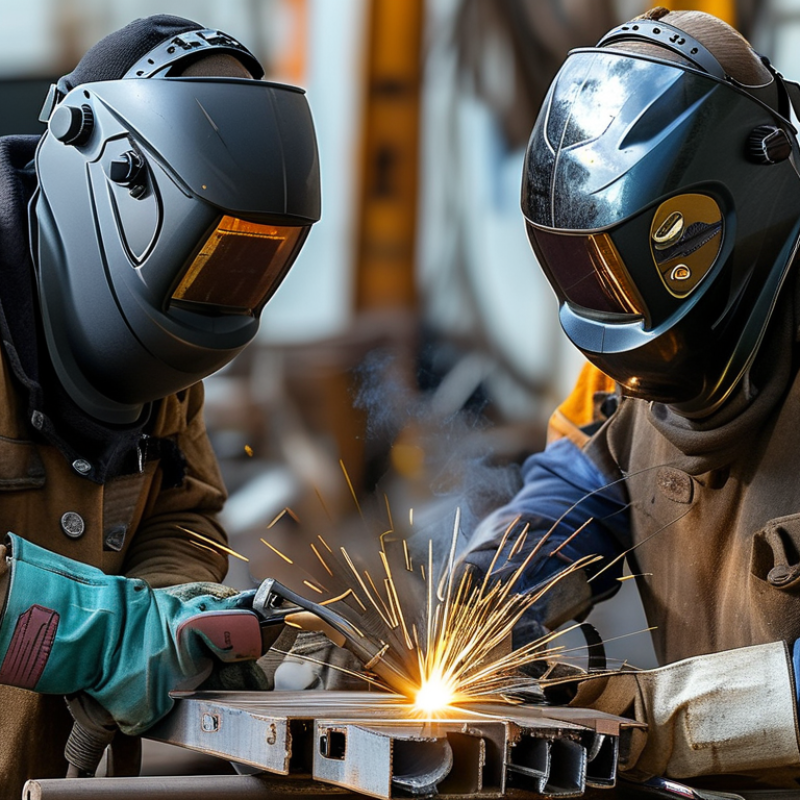
Flux core welding technology is gaining popularity among many welding enthusiasts. This method utilizes a tubular wire filled with flux. The flux provides a shielding gas during the welding process. This is crucial as it protects the weld from contamination. One major advantage is its ability to work in outdoor environments. Traditional MIG welding struggles in windy conditions. However, flux core can handle these situations better.
In terms of versatility, flux core welding is suitable for various materials. It works well with steel, cast iron, and even some stainless steels. However, a noticeable drawback is the amount of spatter produced. This can make clean-up more time-consuming. Welders often find themselves addressing this challenge.
Another important aspect is the skill level required. Beginners might find it easier due to the forgiving nature of the flux core process. Yet, achieving high-quality welds demands practice. The welder must develop a steady hand and understand the settings. Overheating can lead to weak welds, while underheating can cause poor fusion. This delicate balance is often a point of reflection for welders looking to improve their skills.
Top Flux Core Welders for Every Project Needs
| Model | Input Power | Welding Output (Amps) | Material Thickness (inches) | Weight (lbs) | Price Range ($) |
| Model A | 120V | 30-110 | 0.030 - 0.045 | 25 | 200 - 250 |
| Model B | 240V | 50-200 | 0.035 - 0.050 | 35 | 400 - 500 |
| Model C | 120V/240V | 25-180 | 0.030 - 0.045 | 45 | 350 - 400 |
| Model D | 120V | 40-140 | 0.030 - 0.035 | 20 | 150 - 200 |
Key Features to Look for in a Flux Core Welder
When selecting a flux core welder, it’s crucial to consider several key features. The power output is essential; a welder with a lower output may struggle with thicker materials. According to industry reports, models with output ranging from 90 to 220 amps are suitable for most projects. This range allows flexibility for various materials and thicknesses.
Next is the welding voltage. A dual-voltage system offers versatility, enabling users to switch between different electrical sources. It's shown that having this feature increases usability across various environments, enhancing efficiency. Wireless technology is also becoming prevalent. It helps welders maintain better control, offering a seamless experience. However, reliability often decreases with added technological complexity.
Portability is another critical factor. Weighing your options between heavier and lighter models can alter the workspace dynamics. A welder that is too heavy might limit maneuverability. Conversely, lighter models may lack certain features. While a more expensive welder may offer better performance, not all projects warrant such an investment. Evaluating how each feature fits your specific needs is vital. Balancing power, voltage, and portability will ultimately determine the best flux core welder for your projects.
Top Flux Core Welders: Key Features to Consider
Top 5 Flux Core Welders for Home Projects
When it comes to home projects, choosing the right flux core welder can make a significant difference. These welders are user-friendly and versatile, suitable for various tasks. For beginners, the focus should be on ease of use and safety features. Look for models with adjustable voltage and wire feed speed, allowing you to adapt to different materials.
Tips for selecting a welder include checking for a reliable safety shield. Proper ventilation is also crucial, particularly when working indoors. This protects against toxic fumes that can arise during welding. Keep your workspace organized to prevent accidents. Ensuring you have all necessary protective gear is essential for a safe welding experience.
While researching welders, consider their weight and portability. Heavy models might be stable but can be a hassle to move. A welder that's too lightweight may not offer the performance needed for tougher materials. Finding the right balance is key. Ultimately, how well a welder performs can vary based on individual projects and user skill level. Always take time to practice and test different settings to gain experience and confidence.
Best Options for Professional Flux Core Welding
When it comes to professional flux core welding, choosing the right welder can make all the difference. A reliable machine enhances performance and creates stronger joints. Many welders find themselves overwhelmed by the options available. It's essential to assess the specific requirements of your projects, whether they are industrial repairs or artistic endeavors. Each welding job demands different capabilities.
Experience is crucial in understanding how much power and features are necessary for your needs. Some welders may prioritize portability, while others might seek machines that excel at thicker materials. Features like adjustable voltage settings can greatly influence the quality of your welds. Yet, even experienced professionals sometimes overlook the importance of practice and maintenance.
Many welding machines offer advanced functions, but not all are user-friendly. Some designs can become cumbersome, especially for beginners. It's vital to ensure comfort and ease of use to avoid frustration during long hours of work. Reflecting on personal experiences can guide newer welders. What worked well? What could have been improved? Seeking advice and continuous learning are integral to mastering the craft.
Comparative Analysis of Flux Core Welders in Different Applications
When it comes to flux core welders, understanding their applications is essential. Different projects require unique capabilities. For instance, some welders excel in thick materials, while others perform well on thinner sheets. A welder designed for outdoor use might struggle in indoor settings. The choice here can significantly impact the quality of your work.
Factors like wire type and power settings play pivotal roles. Aluminum welding requires different techniques compared to steel. Beginners might find some welders challenging as they may produce too much spatter.
Ease of use can vary greatly between models. It's crucial to reflect on your actual needs before making a purchase. Consider the environments you'll work in and the type of materials you plan to use.
When comparing options, remember that price does not always equal performance. A more expensive welder might not be the best for your specific tasks. Look for user reviews and experiences that highlight real-world performance. Observing how various models handle different situations can help in decision-making. Ultimately, the right flux core welder can make all the difference in achieving satisfactory results.