Top 10 Foil Machines for Global Buyers in 2026?

Choosing a Foil Machine in 2026 requires more than comparing maximum speed. Global buyers must examine real production conditions, substrate range, registration accuracy, foil waste, energy use, and after-sales support. A machine that performs beautifully on coated cartons may struggle with textured paper, recycled stock, or short-run jobs. That difference matters.

Jean-Pascal Bobst, a recognized packaging-machinery executive, has often emphasized that “innovation must create value for customers.” This principle guides our selection. The machines featured here were assessed through practical criteria, including stamping consistency, setup time, pressure control, operator safety, software usability, and service availability across regions. Manufacturer specifications are useful. Live demonstrations are better.

The top ten are not ranked by speed alone. A compact machine may suit a boutique printer better than a larger automated line. Meanwhile, high-volume packaging producers may prioritize uptime, modular tooling, and automatic foil feeding. Ownership costs also deserve attention. Spare parts, technician response, training, and compatible consumables can reshape the original purchase decision.

Some judgments remain imperfect. Published data does not always reflect factory conditions. Regional voltage, climate, logistics, and operator experience can change results. Buyers should test their own materials before signing an order. This guide offers a practical starting point, not a universal verdict. Its purpose is simple: help global purchasers identify a Foil Machine that delivers reliable finish quality, controlled waste, and sustainable value over years of production.
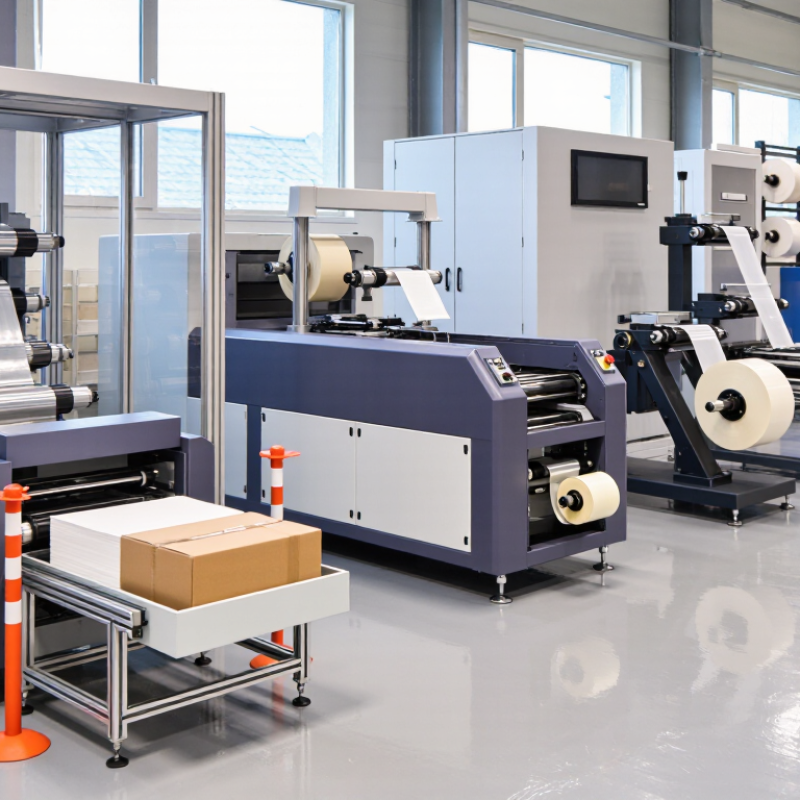
Top 10 Foil Machines for Global Buyers in 2026?

What Are Foil Machines and How Do They Work?

Foil machines apply a thin metallic or pigmented film to paper, labels, cartons, leather, and selected plastics. Most systems use heat, pressure, and a patterned die to transfer the foil onto a prepared surface. Cold foil machines use adhesive and ultraviolet curing instead. The right method depends on the material, artwork, production speed, and finish required.

A hot foil machine heats the die to a controlled temperature. The die presses the foil against the substrate for a measured dwell time. Heat activates the release layer, while pressure creates a clean impression. Operators usually adjust temperature, pressure, speed, and foil tension together. Small changes matter. Too much heat can distort fine lettering or weaken the substrate. Insufficient pressure may leave gaps, dull areas, or incomplete edges.

Practical testing is essential for global buyers in 2026. Request samples using your actual paper weight, coating, and artwork. Check registration accuracy, waste rates, noise, maintenance access, and operator safety features. Ask whether replacement parts and technical support are available in your region. Electrical compatibility also deserves attention, especially across different voltage standards. A machine may appear efficient during a short demonstration, yet perform differently during an eight-hour shift. That gap is easy to underestimate. Foil selection can also be frustrating, because gloss, adhesion, and release performance vary between suppliers and surfaces. Reliability comes from repeatable settings, documented trials, and trained operators.

Which Foil Machine Types Suit Different Production Needs?

Choosing among the top 10 foil machines in 2026 starts with production reality, not machine popularity. Flatbed hot-foil systems suit short runs, detailed cartons, and frequent artwork changes. Their stop-and-start movement supports precise registration, though output can fall on complex jobs. Rotary hot-foil machines fit long packaging runs. They maintain higher speeds and stable pressure across reels. Cold-foil units work well with offset or flexographic lines, especially when broad metallic coverage matters. They reduce heating requirements, but adhesive control becomes critical. Digital foil machines suit samples, personalized packaging, and low-volume orders. They avoid traditional dies, yet consumable costs may rise.

Production volume should guide the shortlist. A 2024 Smithers study on digital print for packaging forecasts the market to grow from about 22 billion US dollars in 2024 to nearly 37 billion by 2029. That shift supports flexible, digitally integrated foiling for shorter campaigns. PMMI industry research also continues to identify automation, labor efficiency, and changeover reduction as major packaging machinery priorities. Therefore, a roll-to-roll machine may suit labels, while a sheet-fed unit better matches cartons and premium cards. For narrow webs, inspect tension control and waste rates. For large sheets, check feeder stability and curing space. Speed claims can mislead. Real output depends on foil release, substrate texture, drying time, and operator skill. Reports differ, and no machine fits every factory. A lower-speed system may produce fewer defects. That can matter more than headline productivity.

Top 10 Foil Machines for Global Buyers in 2026 — Which Foil Machine Types Suit Different Production Needs?

A practical comparison of widely used foil-finishing machine configurations. Specifications are typical commercial ranges and should be verified against the supplier’s final technical sheet, substrate requirements, local electrical standards, and applicable safety regulations.

Rank Foil Machine Type Typical Feeding Format Typical Maximum Working Area Typical Production Speed Compatible Materials Common Foil Formats Automation Level Typical Power Range Best Suited Production Needs Main Buying Considerations
1 Automatic Sheetfed Hot Foil Stamping Machine Flat sheets; commonly B2, B1 or equivalent formats Approximately 520 × 720 mm to 760 × 1060 mm About 4,000–7,000 sheets/hour Coated paper, uncoated paper, board, laminated stock, synthetic sheets Roll-fed hot stamping foil; multiple foil rolls may be installed High; automatic feeder, foil transport, stripping and delivery Approximately 15–35 kW High-volume packaging, premium cartons, book covers and commercial print finishing Sheet alignment, stamping pressure, foil-saving controls, die-change time, floor space and operator training
2 Semi-Automatic Flatbed Foil Stamping Machine Individual sheets or manually positioned blanks Approximately 300 × 400 mm to 700 × 1000 mm About 800–2,500 sheets/hour Paper, card, book cloth, leather, PVC, coated and laminated materials Roll-fed foil; short or medium foil lengths Medium; manual loading with powered stamping and delivery Approximately 4–15 kW Short and medium runs, sampling, customized stationery, invitations and small packaging orders Lower purchase cost, flexible job changes, manual labor requirements and achievable registration accuracy
3 Automatic Rotary Foil Stamping and Embossing Machine Continuous web or rotary-fed sheets Web widths commonly 250–500 mm About 80–200 m/min, depending on substrate and design Paper labels, film labels, flexible packaging webs and coated stocks Hot-stamping foil rolls; optional embossing and holographic foils High; servo-driven web control and inline registration Approximately 20–60 kW Long-run labels, flexible packaging decoration and continuous high-throughput production Web tension control, inline inspection, registration accuracy, die durability and integration with upstream printing
4 Narrow-Web Foil Finishing Machine for Labels Roll-to-roll narrow web Typical web width of 180–450 mm About 30–120 m/min Self-adhesive label stock, paper, PET, PP, PE and other pressure-sensitive materials Hot foil, cold foil and specialty decorative foil rolls Medium to high; automatic unwinding, rewinding and tension control Approximately 8–30 kW Cosmetic, beverage, pharmaceutical and specialty product labels Smallest repeat size, waste during setup, die-cutting compatibility, rewind quality and substrate thickness range
5 Cold Foil Unit for Flexographic or Offset Presses Continuous web or sheetfed press line Determined by the connected press; commonly 300–1000 mm web or sheet width Approximately 50–200 m/min for web lines; press-dependent for sheetfed systems Paper, folding carton board, film and pressure-sensitive label materials Cold foil rolls applied over adhesive or primer High when integrated into an existing press Approximately 5–25 kW, excluding the main press Inline metallic effects, broad-area coverage, fine graphic details and high-speed label or packaging work Adhesive compatibility, foil release, curing or drying performance, color sequence and press integration
6 Digital Foil and Toner-Foil Enhancement System Flat sheets, usually digitally printed or toner-based sheets Approximately A3, SRA3, B2 or comparable digital-print formats About 10–40 m/min or approximately 500–2,000 sheets/hour Toner-printed paper, coated stocks, synthetic sheets and selected laminated media Digital foil rolls; no conventional metal stamping die required High; digital job setup with minimal mechanical tooling Approximately 3–15 kW Variable-data work, short-run luxury packaging, personalized invitations and rapid prototyping Compatibility with toner or polymer layer, image coverage, foil adhesion, consumable cost and sheet size
7 Roll-to-Roll Hot Foil Stamping Machine Continuous roll material Typical web width of 200–800 mm About 20–100 m/min Paper webs, films, synthetic labels, decorative laminates and flexible packaging materials Hot-stamping foil rolls with adjustable unwind and rewind Medium to high; automatic web handling and temperature control Approximately 10–40 kW Continuous decorative films, label stock, flexible packaging and long repetitive designs Web tension, heat transfer uniformity, cooling, splice management and finished-roll quality
8 Pneumatic or Hydraulic Flatbed Foil Stamping Press Manually loaded sheets, blanks or individual products Approximately 100 × 150 mm to 400 × 600 mm About 300–1,200 impressions/hour Paper, card, leather, PU, PVC, wood veneer and selected rigid products Short roll-fed foil or cut-sheet foil Low to medium; operator-controlled loading and positioning Approximately 1–8 kW Craft production, leather goods, logos, certificates, small boxes and workshop-level customization Press force, platen parallelism, temperature stability, safety guarding and tooling flexibility
9 Holographic and Security Foil Transfer Machine Sheets or continuous web, depending on configuration Approximately 300 × 450 mm to 760 × 1060 mm About 1,500–5,000 sheets/hour or 20–80 m/min Security paper, banknote-grade substrates, identity documents, packaging board and labels Registered holographic, diffractive and security foil rolls High; registration, inspection and controlled foil transport are usually required Approximately 15–50 kW Brand protection, authentication labels, secure documents and high-value packaging Registration precision, access control, inspection systems, approved security materials and traceability
10 Integrated Foil Stamping, Embossing and Die-Cutting Line Automatic sheetfed blanks or pre-printed sheets Approximately 520 × 720 mm to 1060 × 760 mm About 2,500–6,500 sheets/hour Folding carton board, microflute, laminated board, labels and premium paper products Hot foil rolls; optional embossing and multiple foil feeds Very high; combined feeding, stamping, embossing, stripping and die-cutting Approximately 30–80 kW High-end cartons, folding boxes, specialty labels and integrated packaging production Line synchronization, die-cutting quality, waste stripping, maintenance access and total installation requirements

Selection guide: Choose sheetfed hot stamping for rigid sheets and high-volume cartons; cold foil for inline metallic decoration; digital foil for personalized short runs; narrow-web or roll-to-roll systems for labels and continuous materials; and integrated lines when stamping, embossing and die-cutting must be completed in one production flow.

How to Compare the Top 10 Foil Machines for 2026

Comparing the top 10 foil machines for 2026 requires more than checking production speed. A machine rated at 30 sheets per minute may slow sharply with thick stock, detailed artwork, or uneven foil coverage. Ask suppliers for test samples using your actual paper, foil, and die size. Measure registration accuracy, pressure consistency, setup time, and rejected sheets.

Look closely at temperature control. Stable heating protects fine details and reduces wasted foil. Check the usable stamping area, maximum material thickness, compatible foil widths, and die-changing process. A clear control panel helps operators repeat settings across shifts. It also reduces training errors. Test under load.

Maintenance often separates an impressive machine from a dependable one. Request service schedules, spare-part lead times, wiring diagrams, and documented safety procedures. Inspect guarding, emergency stops, noise levels, and access to heating components. Energy use matters too, especially for facilities running multiple shifts. Confirm whether quoted output includes feeding, alignment, and cooling delays.

Cost comparisons should include tooling, installation, operator training, consumables, and expected downtime. A lower purchase price can become expensive after repeated adjustments. I would not trust polished videos alone. A live demonstration is more useful, although it may still hide difficult materials. Record each machine’s results in the same worksheet, including startup waste and recovery time after a fault. The best choice may not be the fastest model. It should deliver repeatable quality with realistic staffing and maintenance resources.

What Specifications Matter to Global Buyers?

Top 10 Foil Machines for Global Buyers in 2026?

What Specifications Matter to Global Buyers?

Global buyers should judge foil machines by production reality, not brochure speed. Smithers’ 2024 packaging outlook projects the global packaging market will exceed US$1.2 trillion by 2028. That growth increases pressure on uptime, material flexibility, and waste control.

Start with usable specifications. Check foil width, maximum roll diameter, substrate range, and actual running speed. A stated speed of 120 metres per minute may fall below 80 during fine registration work. Ask for verified output samples. A stable temperature-control system should hold platen variation within practical limits, preferably around ±1°C. Servo-driven feeding, automatic tension control, and optical registration can reduce misalignment on narrow details.

Energy use deserves equal attention. The International Energy Agency reports that industry consumes about 37% of global energy. Buyers should request power consumption per production hour, not only installed motor capacity. Pneumatic demand, warm-up time, and standby consumption also affect operating cost. CE-compatible guarding, emergency stops, and documented risk assessments are essential for international procurement.

The overlooked specification is serviceability. Ask how quickly operators can replace a heating element, clean adhesive residue, or recalibrate sensors. Remote diagnostics help, but they cannot replace local technical support. Spare-part availability matters more than impressive automation. I would also test noisy materials and recycled substrates before approval. They often expose weaknesses. A perfect sample is not enough.

How to Choose, Import, and Operate a Foil Machine Successfully

Choosing among the Top 10 Foil Machines for Global Buyers in 2026 requires more than comparing prices. Start with your actual production needs. Define foil width, material type, daily output, stamping area, and acceptable waste. A compact machine may suit short runs, while high-volume work needs stable feeding and faster heating. Ask for test samples using your own paper, film, or board. Photos are not enough.

Import planning can prevent expensive delays. Confirm voltage, frequency, plug design, crate dimensions, gross weight, and installation space. Request a complete technical file, packing list, commercial invoice, warranty terms, and spare-parts list. Check local customs requirements before payment. Freight insurance is sensible, especially for machines with delicate rollers and control panels. Keep communication documented. Small misunderstandings become costly across borders.

Operation depends on disciplined setup. Record temperature, pressure, speed, and foil tension for every approved job. Begin with a slow trial and inspect adhesion under normal lighting. Clean rollers regularly, remove dust, and replace worn pressure materials early. Train operators to stop the machine before clearing a jam. Safety guards matter. So does ventilation.

One practical lesson is easy to miss: the cheapest quotation may exclude commissioning or replacement parts. I once underestimated the space needed for service access. That mistake disrupted workflow. Build a maintenance schedule before production begins, not after the first breakdown. Reliable results come from suitable specifications, clear import documents, and careful daily checks.

Request a Quote

For more information on our instruments, consumables, or services, or to request a quote, complete the contact form below, and one of our associates will reach out to you!

Request a Service Quote

To request service on your machine(s), complete the contact form below, and one of our associates will reach out to you!

Browse by:

  • Test Property
  • Manufacturer