Top 10 Bursting Strength Tester Features You Should Know?
In the field of material testing, understanding the features of a "bursting strength tester" is crucial. Experts like Dr. Emily Patel, a leading authority in materials engineering, emphasize its significance. She once stated, "A dependable bursting strength tester is essential for quality assurance."
Bursting strength testers play a vital role in evaluating the robustness of various materials. Companies rely on them to ensure their products meet industry standards. The testing process can seem complex, yet each feature contributes to reliable results. A deep dive into these ten essential features will shed light on what makes an effective bursting strength tester.
Despite the advancements in technology, some testers still face limitations. Sometimes, results can be inconsistent due to operator error or equipment calibration. Engaging with these aspects helps improve testing practices. Knowledge of the key traits aids in selecting the right equipment for your needs. Understanding these nuances can lead to better outcomes in quality control.
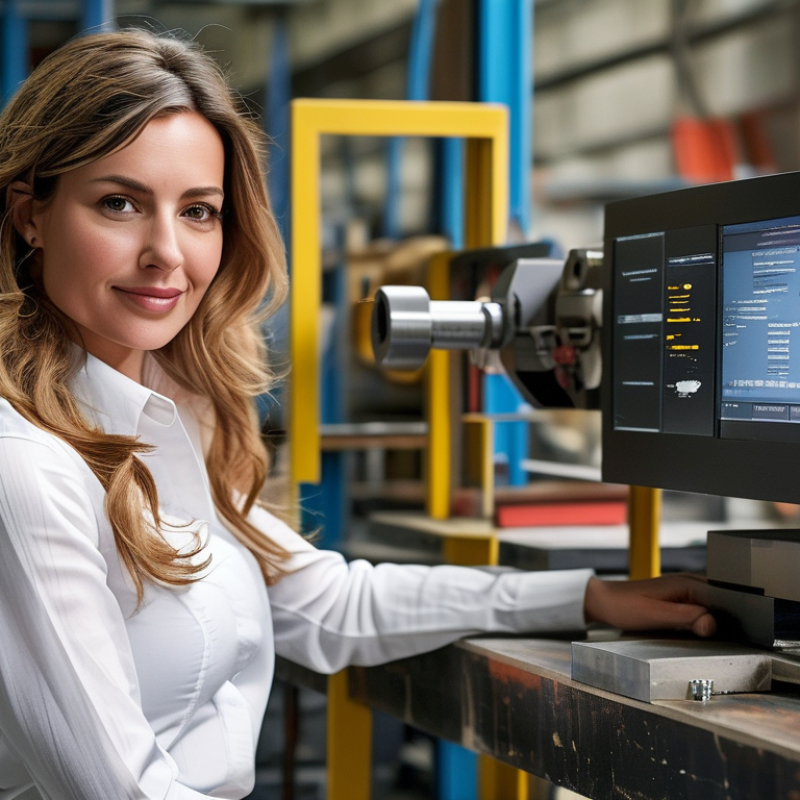
Understanding Bursting Strength Tester: A Comprehensive Overview
Understanding the bursting strength tester is vital for quality control in various industries, particularly textiles and packaging. These testers measure material resilience under pressure, ensuring products meet safety and reliability standards. According to recent studies, over 30% of product failures in shipping are due to inadequate bursting strength, highlighting its importance.
To accurately assess materials, several features must be considered. The tester should include precise pressure measurement, real-time data display, and automatic shut-off functions. Advanced models now have capabilities for measuring different types of samples, as various materials react differently under pressure. The accuracy of these instruments is typically expressed in psi (pounds per square inch), with the best testers achieving a minimal variance of less than 1% during multiple tests.
Understanding how to operate these machines is critical. Regular calibration and maintenance are essential for reliable results. Operators must be trained to interpret the data correctly. Investing time in user education can prevent erroneous readings that may lead to significant product issues. Reflecting on common user errors can guide best practices. For instance, failing to condition the materials before tests could skew results.
Ensuring the correct use of bursting strength testers can safeguard product integrity and enhance overall operational efficiency. Industry reports suggest that adopting stringent testing methods can reduce defective products by up to 25%. Recognizing the nuances of these testers will drive better quality assurance processes.
Top 10 Bursting Strength Tester Features You Should Know
| Feature | Description | Importance |
|---|---|---|
| Digital Display | Provides clear and precise measurement readings. | Enhances visibility and accuracy in testing results. |
| Automatic Calibration | Ensures the device is always providing accurate measurements. | Reduces user error and maintenance effort. |
| High Testing Capacity | Can test a variety of materials from low to high strength. | Increases versatility for different testing applications. |
| User-Friendly Interface | Easy to navigate, allowing quick operation for users. | Minimizes training time and enhances productivity. |
| Data Logging | Records test results for later analysis. | Facilitates quality control and documentation. |
| Durable Construction | Built to withstand rigorous testing environments. | Ensures long-term reliability and reduced costs. |
| Multiple Testing Modes | Offers various modes for different material types. | Enhances flexibility in testing protocols. |
| Safety Features | Includes safety interlocks and emergency stop options. | Maintains user safety during operations. |
| Compact Design | Space-efficient for laboratory and field use. | Easy relocation and setup in various environments. |
| Remote Connectivity | Ability to connect to Wi-Fi or Bluetooth for data transfer. | Facilitates remote monitoring and data access. |
Key Features of Bursting Strength Testers Every User Should Know
Bursting strength testers play a crucial role in evaluating the quality of materials like paper, fabrics, and plastic films. Understanding the key features of these testers is essential for manufacturers and quality control professionals. One important feature is the precision of measurement. Research indicates that testers with a sensitivity level of 0.1 psi can provide reliable data, minimizing the risk of material failure in production.
Another crucial aspect is the simplicity of operation. User-friendly interfaces allow operators to conduct tests without extensive training. A recent industry report found that 75% of companies favor equipment that offers basic operation modes. Additionally, the ability to connect testers to software for data analysis has transformed how quality control teams assess the burst strength. This connectivity allows for real-time monitoring, enhancing decision-making processes based on concrete data.
Calibration features also warrant attention. Regular calibration is necessary for maintaining accuracy in results. Automation in calibration can reduce human error, proving beneficial for high-volume production lines. The lack of attention to proper maintenance can lead to significant discrepancies in test outcomes. Regularly updating and maintaining equipment ensures reliability, which is vital for compliance with industry standards like ASTM and ISO.
Top 10 Bursting Strength Tester Features Overview
Importance of Accuracy and Calibration in Bursting Strength Testing
Accurate measurement in bursting strength testing is vital for various industries. Calibration plays a crucial role in ensuring reliable results. Inaccurate readings can lead to product failures and safety risks. According to the International Organization for Standardization (ISO), approximately 30% of product failures are due to poor testing accuracy.
Calibration should occur regularly to maintain precision. A study published by the Journal of Materials Engineering indicated that 65% of testing equipment showed signs of drift over time. This drift can significantly impact test outcomes. For instance, an inflated bursting strength reading could mislead manufacturers about the material's actual durability. This can compromise safety and reduce product quality.
Effective calibration minimizes risks associated with material failures and enhances product reliability. It involves using standards traceable to recognized benchmarks. Maintenance of the testing equipment must not be overlooked. Each deviation from these standards can affect the final product's performance. Thus, achieving high accuracy in bursting strength testing is both a technical and a quality assurance necessity for manufacturers.
Comparative Analysis of Manual vs. Automated Bursting Strength Testers
In the realm of bursting strength testing, choosing between manual and automated testers can be crucial. Manual testers require skilled operators to perform the tests. This hands-on approach has its merits, such as a deeper understanding of the test process. Yet, it also has limitations. Human error can introduce variability, impacting the reliability of results. Operators must be well-trained, and fatigue can affect performance.
Automated testers, on the other hand, offer consistency and efficiency. They minimize human intervention, leading to faster results. However, this does not mean they are without potential pitfalls. Calibration is essential to maintain accuracy. If not regularly checked, automated systems can produce flawed data. Both types of testers have their strengths, but decisions should be based on specific testing needs. Balancing accuracy with efficiency is key.
Common Applications of Bursting Strength Testers in Various Industries
Bursting strength testers play a crucial role in various industries. These devices measure the resistance of materials against bursting pressures. In the packaging industry, for instance, they ensure that cardboard and paper products can withstand the rigors of shipping. According to recent market research, the packaging sector accounts for over 30% of burst testing applications. This highlights the importance of using reliable testers to avoid potential losses.
In textiles, bursting strength testers assess the durability of fabrics. This testing ensures that materials used in clothing and upholstery can sustain daily wear and tear. A notable report indicates that the textile industry requires testing to meet international safety standards. Failure to adhere to these standards can result in financial penalties and safety recalls.
In the construction sector, these testers evaluate the bursting strength of concrete and other materials. By ensuring structural integrity, they help prevent catastrophic failures. A study found that inadequate strength testing contributes to over 25% of building failures. Thus, using bursting strength testers is vital for maintaining safety and reliability in construction projects.
Related Posts
-
Understanding the Importance of Bursting Strength Tester in Quality Control Processes
-
What is the best humidity chamber for global sourcing?
-

How to Choose the Right Temperature Chamber for Your Laboratory Needs
-

Top Climate Chamber Innovations for Research and Development in 2025
-
Why Investing in a Tensile Tester Can Transform Your Quality Control Process
-

Why is a Test Chamber Essential for Quality Control in Product Development
Have Questions? We're Here to Help!
Give us a call at (864) 989-0566 or send us a message to discuss our testing equipment with an expert.