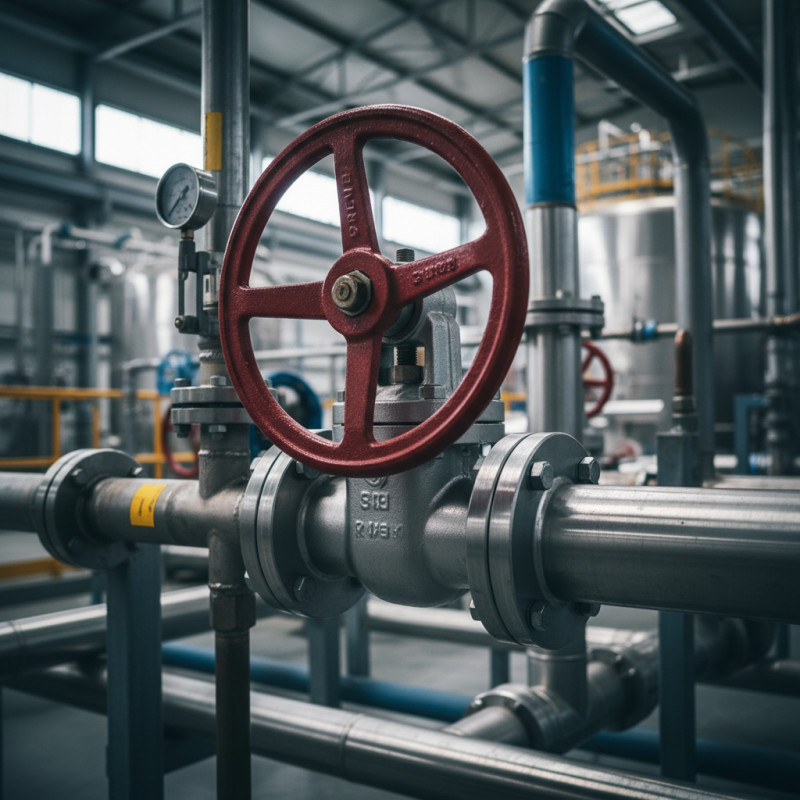
Essential Tips for Choosing the Right Gate Valve?
Choosing the right Gate Valve is essential for any piping system. A gate valve controls the flow of fluid, making it crucial in various applications. Understanding its features can improve efficiency and reduce costs.
When selecting a gate valve, consider size and materials. Not all materials work well with every fluid. For instance, corrosion-resistant materials are necessary for aggressive chemicals. This choice can prevent leaks and failures.
Additionally, pay attention to the valve's pressure rating. A mismatch can lead to serious issues. A reliable supplier can help clarify these specifications. Reflecting on your needs may reveal surprising requirements. Take time to evaluate the options available before making a final decision.
Understanding Gate Valves: Types and Applications
Gate valves are essential components in piping systems. They allow for on-off control of fluid flow, making them vital in various applications. Understanding the types of gate valves is crucial for making informed choices. There are two primary types: wedge gate valves and parallel gate valves. Wedge gate valves are widely used. They provide a reliable seal and are effective in high-pressure systems. Parallel gate valves, on the other hand, are more suitable for low-pressure applications.
When selecting a gate valve, consider the material and pressure rating. According to industry reports, nearly 60% of failures in valve systems are linked to the wrong material choice. Stainless steel is often preferred for its durability. However, it may not be the best option for corrosive fluids. Cast iron valves are generally more economical but less versatile.
Tip: Always evaluate the fluid characteristics before making a decision.
In terms of size, proper sizing is critical. A valve that is too small can restrict flow, leading to increased pressure drops. Conversely, an oversized valve may not provide adequate sealing. Also, consider the installation space. Tight spaces may limit your options.
Tip: Measure twice, choose once.
Remember, choosing the right gate valve involves more than just picking a type. Each application has its specific requirements. Pay attention to the operating conditions, as they significantly impact valve performance.
Essential Tips for Choosing the Right Gate Valve
| Valve Type | Application | Materials | Pressure Rating | Size Range (inches) |
| Wedge Gate Valve | Water Supply | Cast Iron, Stainless Steel | 150 to 300 psi | 2 to 24 |
| Parallel Gate Valve | Oil and Gas | Carbon Steel, Alloy Steel | 300 to 600 psi | 3 to 18 |
| Slurry Gate Valve | Mining | Rubber-Lined, Cast Steel | 150 to 500 psi | 4 to 30 |
| Expansion Gate Valve | High-Temperature Applications | Stainless Steel, Inconel | 600 to 1500 psi | 1 to 12 |
Key Factors to Consider When Choosing a Gate Valve
When choosing a gate valve, a few key factors can make a significant difference. One crucial aspect is the material. Most gate valves are made from metal such as ductile iron or stainless steel. Ductile iron is often cost-effective and strong, while stainless steel offers excellent corrosion resistance. A report by the American Society of Mechanical Engineers states that 45% of industrial failures stem from inappropriate valve selection. Selecting the wrong material can lead to premature failure and increased costs.
Another factor is the valve size. Accurate measurements of the pipe diameter and flow rate are essential. According to industry data, a mismatch between valve size and piping can reduce system efficiency by up to 30%. An improperly sized gate valve may lead to turbulent flow, which impacts overall system performance. Additionally, consider the working pressure and temperature. Gate valves need to withstand operating conditions, or they risk failing under extreme pressures.
Lastly, the type of sealing mechanism plays a vital role. Soft-seated valves provide a tight seal, suitable for low-pressure applications, while metal-seated valves are better for high-pressure situations. The right choice here can prevent leaks and ensure longevity. A study by the Valve Manufacturers Association showed that selecting appropriate valve features improved lifespan and reduced maintenance by 20%. Choosing wisely can save resources and improve reliability.
Material Selection for Enhanced Performance and Durability
Material selection plays a crucial role in the performance and durability of gate valves. The right choice can enhance functionality. Common materials include cast iron, stainless steel, and brass. Each has its pros and cons. Cast iron is cost-effective and offers good resistance to corrosion. However, it can be brittle under stress. Stainless steel is more durable, providing excellent strength and corrosion resistance. It shines in harsh environments. But it is generally pricier.
Another option is brass, which is versatile and easy to work with. It resists corrosion but may not handle high pressure as effectively. The service environment should guide your material choice. If the valve will handle high temperatures, consider heat-resistant alloys. If it faces aggressive chemicals, specialized materials are necessary. Take time to evaluate specific requirements.
Many overlook the importance of maintenance. Neglecting regular checks can lead to premature failure. Think about the lifespan of the chosen material. Will it withstand continuous use? Reflect on potential long-term costs. A well-informed choice can prevent issues down the line. Ultimately, understanding the material characteristics is key to successful valve selection.
Sizing and Pressure Ratings: Ensuring Proper Fit
When selecting a gate valve, sizing and pressure ratings are crucial. The valve must fit the piping system properly. A valve that is too large can lead to flow issues. Conversely, a valve that is too small may not handle the required pressure. Understanding the dimensions is key to achieving an effective installation.
Pressure ratings determine how much stress the valve can withstand. Different applications require different ratings. For example, residential plumbing systems may use lower pressure ratings. Industrial settings often need more robust options. Always check the specifications to match the application’s demands. Failing to do so can lead to system failures or safety hazards.
Don’t overlook the details. Consider the material of the valve as well. The wrong material can corrode or break under pressure. Think about the environment and the media involved. These factors can impact the performance of your gate valve. Remember, an informed choice minimizes risks.
Essential Tips for Choosing the Right Gate Valve
This chart displays the pressure ratings and size comparison for various types of gate valves. Understanding the sizing and pressure ratings is crucial for ensuring a proper fit in pipeline systems.
Maintenance Tips for Long-lasting Gate Valve Operation
Gate valves are crucial for controlling fluid flow in various systems. To ensure longevity, regular maintenance is essential. Industry reports indicate that nearly 30% of gate valve failures are due to inadequate maintenance. Routine checks can significantly extend their lifespan.
One important tip is to inspect the valve regularly for leaks or corrosion. Corrosion affects performance, increasing the risk of failure. Cleaning the valve surfaces can also prevent buildup that may hinder operation. It's interesting to note that a one-time inspection can catch early signs of wear before they escalate.
Another key aspect is lubrication. Proper lubrication minimizes friction and wear on moving parts. Utilize high-quality grease suitable for the valve's operating conditions. Studies suggest that insufficient lubrication can reduce valve life by up to 50%. Regularly applying lubricant helps ensure smooth operation and reliability. Keeping track of maintenance schedules is crucial. Documenting each service can provide insights into patterns and potential issues. Regular diligence can lead to more effective gate valve performance over time.