Essential Tips for Choosing the Right Cross Arm Bolt
Selecting the right cross arm bolt can significantly impact safety and performance in various applications. An appropriate choice can enhance the durability of structures like power lines and transmission towers. Understanding specifications is crucial. Different applications may have unique requirements, and not all cross arm bolts are created equal.
Consider the materials used. High-quality steel or corrosion-resistant options can make a difference in longevity. Evaluate the load requirements thoroughly. An incorrect specification might lead to failures or accidents. Also, pay attention to the bolt size and threading. Even minor discrepancies can lead to assembly challenges.
Consulting experts can be beneficial. They bring knowledge and insights that can help ensure you make informed decisions. However, relying solely on expert opinions can sometimes lead to overlooking practical experiences. It’s essential to balance technical advice with hands-on knowledge.
Understanding the Purpose of Cross Arm Bolts in Construction
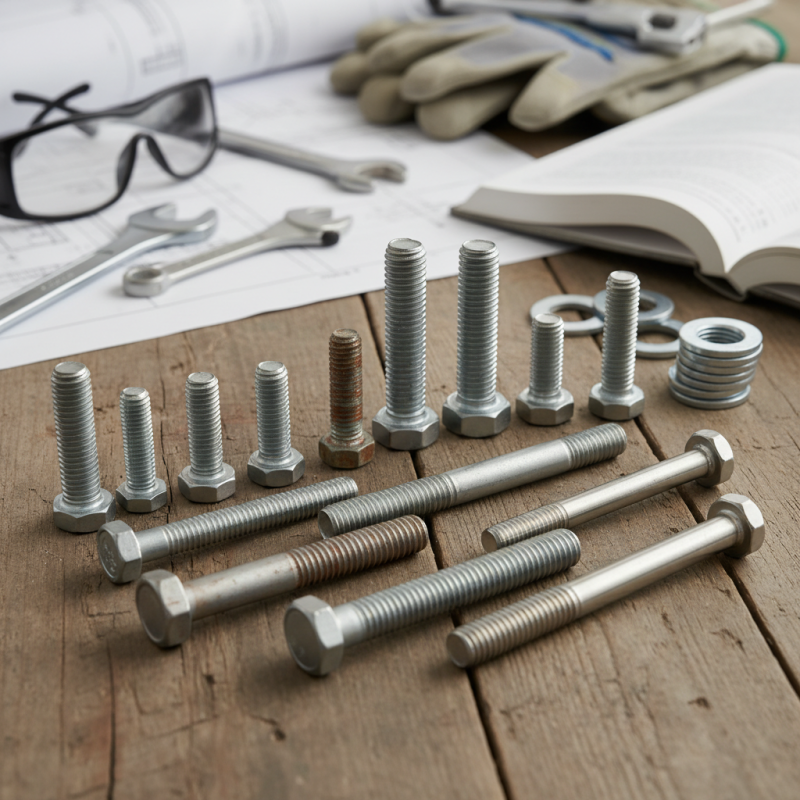
Cross arm bolts play a crucial role in construction. These fasteners secure cross arms to poles and support structures. This connection helps to stabilize overhead lines, ensuring safety and functionality. The reliable performance of cross arm bolts is vital for preventing accidents and ensuring the longevity of these systems.
When selecting cross arm bolts, consider load capacity and material durability. Types of materials can vary, affecting strength and resistance to environmental factors. Pay attention to local weather conditions, as they can influence the performance of the bolts. Improper bolt selection can lead to structural failures, which can be catastrophic.
Understanding the specifications of cross arm bolts is essential. Check for corrosion resistance, especially in humid areas. Regular inspections and maintenance further enhance safety and reliability. Reflecting on your choices can lead to better outcomes in future projects. Prioritizing quality and proper installation will ultimately ensure a solid and dependable construction.
Essential Tips for Choosing the Right Cross Arm Bolt
| Dimension | Material | Coating | Load Capacity (lbs) | Applications |
| 1/2" x 6" | Steel | Galvanized | 1500 | Utility Poles |
| 5/8" x 8" | Stainless Steel | Coated | 2500 | Telecommunication Towers |
| 3/4" x 10" | Aluminum | Anodized | 3000 | Construction Sites |
| 1" x 12" | Carbon Steel | Hot-Dip Galvanized | 4000 | Power Distribution |
Factors to Consider When Selecting Cross Arm Bolts
Choosing the right cross arm bolt is crucial for ensuring structural integrity. When selecting bolts, consider material strength. A bolt made of high-tensile steel may resist corrosion better than standard steel. If working in a coastal area, choose bolts with protective coatings.
Size is another important factor. The bolt should fit snugly in the cross arm without being overly tight. An ill-fitting bolt can lead to decreased performance. Also, consider the load requirements. A bolt designed for light loads might fail under heavy stress. It is essential to match the bolt specifications with the expected use case.
Don’t overlook the installation process. Read guidelines carefully before starting. Even small mistakes during installation can lead to significant issues later. Regular inspection is vital to prevent failures. Remember to reflect on your choices, ensuring they meet safety standards and project needs. Making informed decisions will enhance both reliability and durability in your applications.
Materials and Finish Options for Cross Arm Bolts
Choosing the right cross arm bolt involves understanding the materials and finishes available. The selection can significantly affect performance and durability. Common materials include steel, stainless steel, and aluminum. Each has unique properties that impact their applications.
Steel bolts are strong and cost-effective. However, they may corrode over time, especially in harsh environments. Stainless steel, while more expensive, offers excellent resistance to corrosion. This makes it ideal for long-lasting installations. Aluminum bolts are lightweight and resistant to rust. Yet, they might not offer the same strength as steel.
When considering finishes, options like galvanization and powder coating play a crucial role. Galvanized bolts have a zinc coating that protects against rust. On the other hand, powder-coated finishes provide a decorative touch while offering additional protection.
Tips for choosing the right bolt: Always match the material to your environment. Think about where the bolts will be used. If moisture is a factor, prioritize corrosion-resistant options. Consult with experts when in doubt. Their insights may save you future headaches or unexpected repairs. It’s vital to reflect on your choices. What works for one project may not suit another. Recognizing this can lead to better decisions in the long run.
Load Capacity and Strength Requirements for Cross Arm Bolts
When selecting cross arm bolts, load capacity and strength are paramount. These bolts must withstand immense forces, especially in overhead structures. Before purchasing, evaluate the specific load requirements of your application. Understand that every installation has unique challenges. For instance, a bolt designed for lightweight structures may fail under heavy load. This is a common oversight.
Strength ratings are not just numbers. They reflect the bolt's ability to endure stress and strain. Always check the material specifications. Carbon steel bolts offer strength but may corrode. On the other hand, stainless steel provides better durability. However, it's crucial to assess the environmental factors. Will moisture or temperature fluctuations affect performance? These considerations are often neglected.
Do not underestimate the importance of proper installation. Misalignment can compromise even the strongest bolt. Regular inspections are necessary to catch signs of wear or failure. Over time, the integrity of bolts can diminish, leading to safety risks. A well-informed choice can prevent costly accidents and ensure structural reliability.
Best Practices for Installation and Maintenance of Cross Arm Bolts
When it comes to cross arm bolts, proper installation and maintenance are crucial for longevity and safety. A recent industry report indicated that improper installation is responsible for 30% of structural failures. This highlights the need for attention to detail during the installation phase. Begin by selecting the right tools and materials. Always ensure the bolts are of high quality, fitting the specifications outlined in your project guidelines. Inadequate tools can lead to improper torque application, which may compromise the entire assembly.
Maintenance requires regular inspection of cross arm bolts. It is advisable to check for signs of corrosion or wear every six months. According to the American Society of Civil Engineers, failing to perform regular checks can reduce the lifespan of structural components by as much as 40%. Consider creating a maintenance log to track inspections and repairs, ensuring that nothing is overlooked. While it’s easy to assume everything is fine, a little foresight can prevent major issues down the line.
Bolts should be retightened periodically, especially after harsh weather conditions. Regular retightening can address potential loosening due to vibrations or thermal expansion. Some practitioners believe that once installed, bolts are set to stay, but this is rarely the case. Active maintenance practices are necessary for operational safety and reliability. Over time, a proactive approach ensures that both the bolts and the structures they support remain sound.