7 Tips for Choosing Flat Bar Grating
Choosing Flat Bar Grating is not just a matter of selecting a metal panel that fits an opening. The right choice affects load capacity, safe footing, drainage, maintenance, and installation time. A panel above a service trench may face different demands from a walkway exposed to rain, grit, and rolling carts. Small details matter. Bar spacing, bearing-bar depth, span, and support conditions all influence how the grating performs. A quick visual match can be misleading.
This guide outlines seven practical considerations to help compare options with more confidence. It covers expected loads, material selection, surface finish, opening size, corrosion exposure, fabrication, and supplier documentation. Start with the actual site conditions: measure the clear span, note where panels will be supported, and consider what may pass over them. Then check product load tables and installation details, rather than relying on appearance alone. Requirements can vary by application, so project specifications and advice from a qualified engineer should guide final decisions. That step may feel cautious for a small platform. It is still worth checking.
There is no single grating type that suits every site. Galvanized steel may be appropriate in some environments, while aluminum or stainless steel may better suit others. Even then, coatings, cleaning routines, and exposure conditions deserve attention. This overview is a starting point, not a substitute for project-specific review. A little uncertainty is useful here; assumptions about loads or corrosion can become expensive mistakes.
Understanding Flat Bar Grating and Its Common Applications
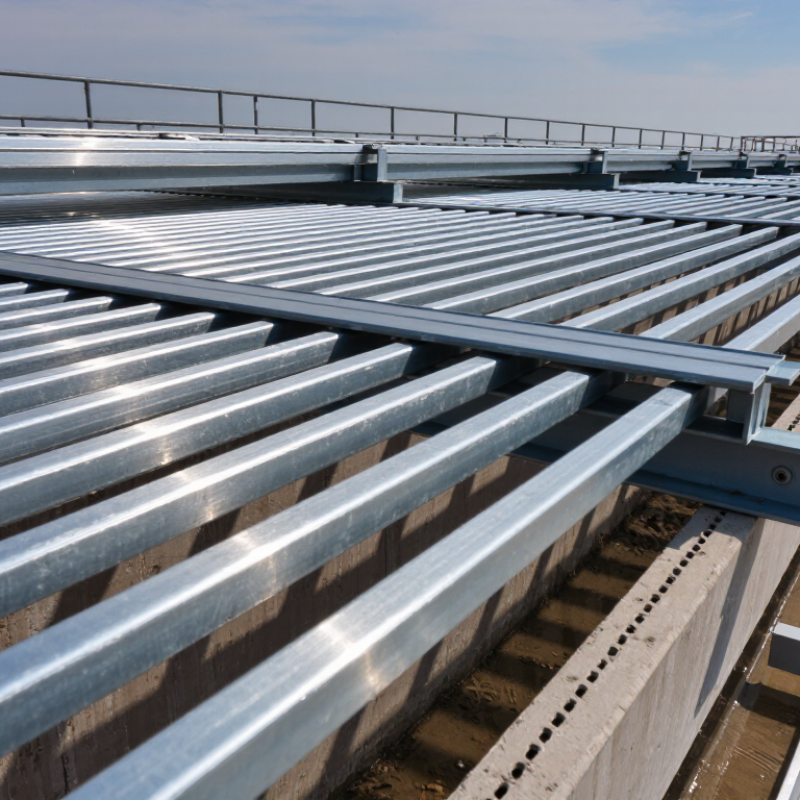
Flat bar grating is an open metal grid made from load-bearing flat bars joined by crossbars. Its gaps let water, air, and light pass through, while the bars provide a firm walking surface. Simple, but useful. Common applications include industrial walkways, service platforms, stair treads, trench covers, and mezzanines. In a food-processing area, for example, an open surface can help water drain instead of pooling underfoot. On an outdoor platform, it can reduce standing water after rain.
The right grating depends on where it will be installed. Check the span between supports, expected loads, bar spacing, and surface conditions before selecting a panel. A narrow gap may suit areas where small tools could fall; a textured surface may help where floors get wet. For corrosive or frequently washed environments, confirm that the material and finish suit the exposure. One assumption worth questioning: an open grid is not automatically safer. Heels, wheels, or dropped objects may catch in the openings. A walkway beside machinery may need different spacing and support from a trench cover. Check fit and maintenance access, too. Small installation details matter.
Assessing Load Capacity and Span Requirements
Assessing Load Capacity and Span Requirements
Load capacity depends on more than the grating’s appearance. The bearing bars carry the main load, so their depth, thickness, spacing, and direction all matter. Measure the clear span between supports, then confirm that the bars run across that distance. A small change in span can affect both capacity and deflection. Easy to overlook.
Consider what the grating will actually support. A walkway with steady foot traffic has different demands from a platform carrying a loaded cart or occasional equipment. Account for the grating’s own weight, expected distributed loads, and concentrated loads such as a wheel or machine foot. Check load tables for the exact bar configuration and span; don’t assume a nearby size is close enough. It often isn’t.
Deflection matters, too. A panel may support a load yet feel springy underfoot, which can be uncomfortable or unsuitable for the task. Use the project’s specified deflection limit, and verify support conditions, including bearing length and fixing details. If loads are uncertain or safety-critical, ask a qualified engineer to review the selection.
A practical mistake is measuring between the wrong points: record the actual support-to-support span, not the overall panel length. That extra check is worth it.
Comparing Materials and Corrosion Resistance
Choosing flat bar grating starts with the site’s moisture, chemicals, and cleaning routine. Carbon steel is strong and economical, but exposed edges and cut ends can rust when protective coatings are damaged. Hot-dip galvanized steel adds a zinc coating that offers sacrificial protection; scratches still need inspection, especially around welds and fasteners. NACE International’s 2016 IMPACT study estimated corrosion costs at US$2.5 trillion annually, about 3.4% of global GDP. A costly problem.
Stainless steel resists corrosion without a separate zinc coating, but grade matters. Grade 304 suits many indoor or mild outdoor settings. For coastal air or frequent chloride exposure, grade 316 generally offers better resistance because it contains molybdenum. It is not invulnerable: salt trapped in narrow gaps can still cause pitting. Aluminum is lighter and naturally forms a protective oxide layer, yet it may be less suitable where heavy loads or contact with dissimilar metals create concerns.
Match the material to the actual exposure, not just the product label. Check whether water pools between bars, whether cleaning agents leave residues, and whether cut edges remain accessible for maintenance. NACE’s study also estimated that broader use of established corrosion-control practices could reduce corrosion costs by 15–35%. That figure is not a guaranteed saving for one grating installation. Site conditions vary, and a coating that performs well inland may disappoint near salt spray.
Selecting Bar Spacing and Surface Finish
Bar spacing should match the items, footwear, and loads the grating will actually support. Measure the smallest object that must stay on the surface, such as a tool or cable fitting. Then check the opening against the specified load requirements; tighter spacing alone does not guarantee adequate strength. Bearing-bar spacing affects support, while cross-bar spacing shapes the opening pattern. Small details matter. On a walkway, openings that feel acceptable on paper may catch a narrow heel or collect debris. Review the intended use, not just the drawing.
Surface finish affects traction, cleaning, and long-term upkeep. Serrated bars can offer extra grip in wet areas, but their ridges may hold dirt and take longer to clean. Smooth surfaces are easier to wash, though they can become slippery when water or oil is present. A protective coating may suit exposed conditions, but confirm that it is compatible with the environment and maintenance plan. I would not choose a finish from a product description alone. Ask for a sample, inspect its edges, and consider how it feels under the footwear used onsite. One choice rarely solves every problem; sometimes the practical compromise is less obvious than expected.
Checking Standards, Fabrication, and Installation Requirements
Flat bar grating must match the load, environment, and support layout—not just the opening size. Check the project specification for applicable standards, load ratings, deflection limits, and corrosion protection. Requirements can vary by location and use, so confirm them with the responsible engineer. A drawing with clear dimensions is essential.
Tips: Verify bearing-bar depth and spacing against the stated load. Check whether cutouts, edge bands, or unusual panel shapes require shop fabrication. Request material and coating details, plus tolerances for panel dimensions. Small differences matter. A grating panel that looks right on paper may need trimming if the support spacing was measured poorly.
Installation deserves equal attention. Confirm the bearing-bar direction, support width, and fixing method before panels arrive. Specify clips or other approved fasteners, and check that they suit the support material. Leave the required clearance for fitting and movement, especially outdoors where temperature changes affect metal. During a site check, look for rocking panels, uneven gaps, and sharp cut edges. I would not assume a standard clip fits every frame; that detail is easy to overlook, and worth checking against the actual layout.