Top Tips for Buying Rigid Vacuum Insulation Panels?
When considering insulation options, Rigid Vacuum Insulation Panels (VIPs) stand out due to their exceptional thermal performance. These panels are designed to provide superior insulation in various applications, from home construction to refrigeration. However, buying the right Rigid Vacuum Insulation Panel can be daunting, as there is a plethora of choices on the market.
Understanding your specific insulation needs is crucial. Factors such as thickness, thermal conductivity, and application type should guide your decision. Not all Rigid Vacuum Insulation Panels are the same; some are better suited for extreme temperatures while others excel in standard conditions. It’s essential to research reputable manufacturers who provide reliable products. Quality assurance matters, as trusted brands will typically offer better performance and longevity.
Exploring user reviews can provide valuable insights, but don’t solely depend on them. Each project has unique requirements, and what works for one scenario may not suit another. Engaging with experts in the field can enhance your knowledge and help you make an informed decision. Remember, proper installation can significantly impact the effectiveness of your chosen Rigid Vacuum Insulation Panel, so consider professional assistance if necessary.
Understanding Rigid Vacuum Insulation Panels: An Overview
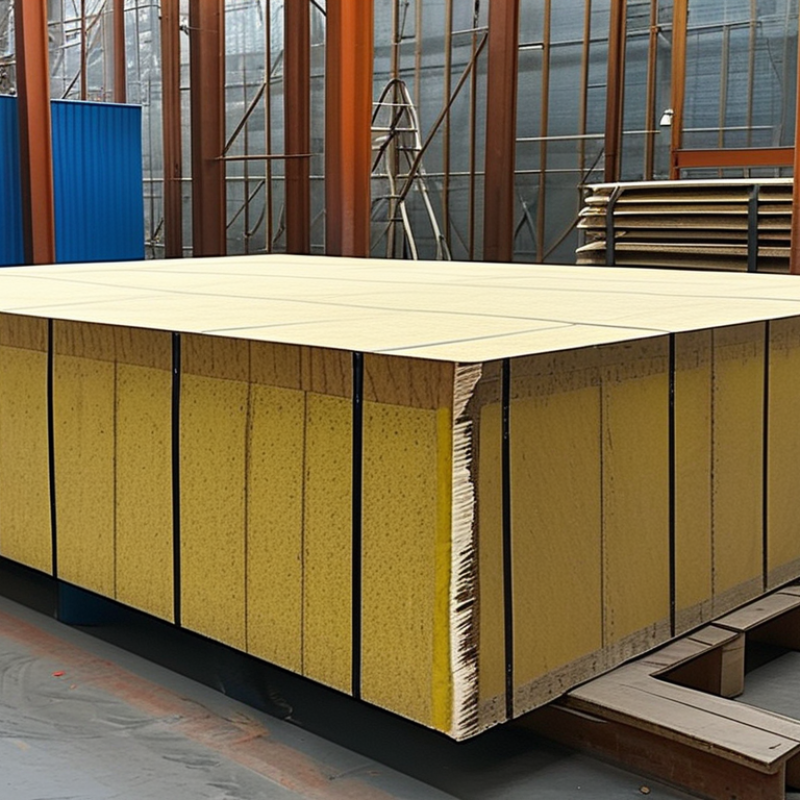
Rigid vacuum insulation panels (VIPs) offer exceptional thermal performance. These panels consist of a core material encased in a vacuum-sealed envelope. This design minimizes heat transfer, making them ideal for energy-efficient buildings. With thickness ranging from just a few millimeters to several centimeters, they occupy less space than traditional insulation.
Choosing VIPs requires careful consideration. The panel’s R-value is crucial, as it indicates thermal resistance. Higher R-values mean better insulation. You should also assess the panel’s durability. Some panels may have a shorter lifespan if exposed to moisture. Additionally, check the installation requirements. Proper fitting is essential to maximize insulation benefits.
While VIPs are excellent for energy conservation, they may not be suitable for every application. Their higher cost compared to standard insulation could be a drawback. Moreover, if not installed correctly, their performance diminishes significantly. It’s important to weigh the benefits against possible challenges. A thorough understanding of the material, along with careful planning, can guide you to make an informed choice.
Top Tips for Buying Rigid Vacuum Insulation Panels
This bar chart illustrates key characteristics to consider when purchasing rigid vacuum insulation panels, including thermal conductivity, density, compressive strength, and service temperature. Understanding these metrics can help you make informed decisions in your insulation projects.
Key Considerations When Choosing Vacuum Insulation Panels
When selecting rigid vacuum insulation panels, it’s vital to assess the thickness and overall performance. Thinner panels may offer ease of installation, but could compromise insulation effectiveness. A balance between size and efficiency is crucial. Consider the environment where these panels will be used. Extreme temperatures may require a more robust insulation solution.
Pay close attention to the thermal conductivity rating. Lower values indicate better insulation properties. Understand the specific needs of your project. Not every application demands the highest performance. For instance, a storage facility might not require the same insulation as a refrigeration unit. Researching various materials can lead to more informed choices.
Installation considerations can greatly influence how the insulation performs. Improper installation can lead to thermal bridging, reducing efficiency. Be mindful of the panel’s durability and resistance to moisture. This can impact long-term performance and reliability. A detailed evaluation on your application needs will ultimately guide you in making the best choice.
Comparing Different Types of Rigid Vacuum Insulation Panels
When considering the purchase of rigid vacuum insulation panels (VIPs), understanding the various types available is crucial. There are primarily two types of rigid VIPs: traditional rigid foam and advanced composite panels. Traditional VIPs are widely used in refrigeration and building insulation. They typically offer thermal conductivity as low as 0.004 W/mK, which ensures superior energy efficiency. In contrast, advanced composite panels not only provide thermal performance but are often lighter and more versatile, making them suitable for a wider range of applications.
In a recent market analysis, the demand for vacuum insulation panels is projected to grow by 15% annually. This growth is attributed to the increasing need for energy-efficient solutions across various industries. However, it's essential to note that not all VIPs are manufactured to the same standards. While some panels may promise exceptional thermal performance, they may lack durability or adequate moisture resistance.
When evaluating options, consider the application type. For construction projects, the panel thickness and insulation levels become critical. On the other hand, for refrigeration, ease of handling and installation are substantial factors. Always examine the technical specifications, and ensure the information is backed by third-party testing. This due diligence will not only help in making an informed purchase but also minimize the risk of performance issues post-installation.
Evaluating Environmental Impact and Sustainability Factors
When considering rigid vacuum insulation panels, evaluating their environmental impact is crucial. These panels can significantly improve energy efficiency. However, their production may involve materials that impact the environment. It’s essential to assess the entire lifecycle from manufacturing to disposal.
Sustainability factors should guide your decision. Look for panels made from recyclable or renewable materials. Assess how long these panels last and how they can be reused. This reflects a commitment to sustainability. Researching the supplier's practices can provide insight into their environmental responsibilities.
Choosing insulation panels isn't just about performance. Reflect on the broader implications of your choice. Are you prioritizing energy savings over potential environmental harm? Balancing efficiency with sustainability can be challenging, but it's a necessary consideration in today's world.
Tips for Proper Installation and Maintenance of Insulation Panels
Proper installation of rigid vacuum insulation panels is crucial for maximizing their effectiveness. These panels can offer thermal conductivities as low as 0.004 W/mK, significantly enhancing energy efficiency in buildings. Before installation, ensure the surface is clean and dry. Any moisture can compromise the insulation's performance. Studies indicate that installation mistakes can reduce the expected R-value by over 20%. This emphasizes the need for meticulous attention during the application process.
Once installed, maintenance is equally important. Regular inspections can prevent potential delamination or physical damage. It's essential to keep the panels free from mechanical impacts. In addition, any visible moisture, mold, or deterioration can signal a problem. Addressing issues promptly enhances longevity. Data from industry reports state that properly maintained insulation systems can last over 25 years, demonstrating clear value over time. Understanding these insights fosters a deeper respect for insulation technology and its potential to save energy and costs effectively.
Top Tips for Buying Rigid Vacuum Insulation Panels
| Tip | Description | Importance |
| Choose Correct Thickness | Select the appropriate thickness based on your insulation needs and space limitations. | High |
| Check Thermal Performance | Evaluate the thermal resistance (R-value) to ensure it meets your performance requirements. | Critical |
| Consider Installation Method | Choose a suitable installation method that considers the environment and application. | Moderate |
| Inspect the Material | Ensure the panels are made from quality materials that offer durability and efficiency. | High |
| Evaluate Cost vs. Performance | Weigh the cost of panels against their thermal performance and longevity for the best value. | Important |