What is Tibial Interlocking Nail and How Does It Work?
The Tibial Interlocking Nail is a critical tool in orthopedic surgery. It provides stability to fractures in the tibia, especially in complex cases. This device helps manage both simple and complex fractures effectively.
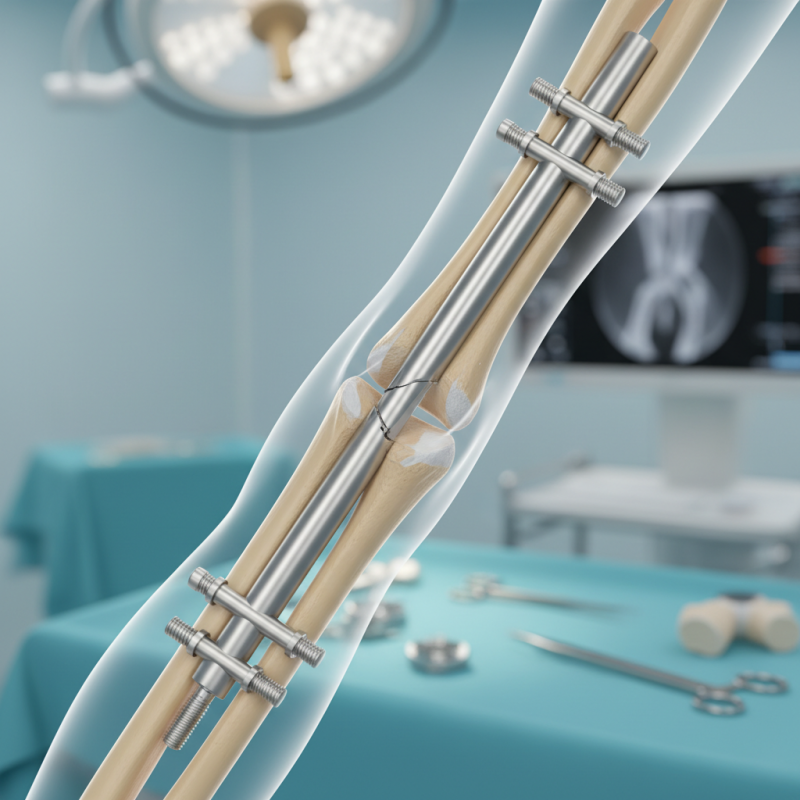
Understanding how the Tibial Interlocking Nail works is essential for surgeons and patients alike. It consists of a long metal rod that fits into the tibia. Surgeons use it to align broken bone fragments. The interlocking screws secure the nail within the bone, promoting healing.
However, while effective, the Tibial Interlocking Nail is not without challenges. There can be complications, such as infection or improper alignment. Such issues highlight the importance of careful surgical techniques and patient follow-up. Ultimately, the Tibial Interlocking Nail represents a blend of innovation and the need for precise execution in orthopedic care.
Tibial Interlocking Nail: Definition and Overview
The tibial interlocking nail is an orthopedic device. It is used to stabilize fractures in the tibia, the shinbone. This system allows for better healing without extensive damage to surrounding tissues. Surgeons insert the nail through the center of the bone, providing internal support.
The nail features holes for locking screws. These screws anchor the nail in place, preventing movement. This approach minimizes complications. Healing time can be reduced, and the patient can often bear weight sooner. Many patients experience faster mobility after surgery, though some may face challenges.
Despite its benefits, not all cases are straightforward. Some patients might have complications, such as infection or improper alignment. Each case requires careful consideration. A thorough assessment is crucial for optimization. Understanding the tibial interlocking nail can aid in recovery and healing. The technology is evolving, but challenges remain.
Indications for Using Tibial Interlocking Nails in Orthopedic Surgery
Tibial interlocking nails are commonly used in orthopedic surgery. They are particularly effective for treating complex fractures of the tibia. These fractures can often occur due to high-impact injuries, such as car accidents or sports injuries. Using this method allows for stable fixation of the bone. Surgeons can minimally invade the skin, preserving blood supply to the area.
Indications for using tibial interlocking nails include diaphyseal fractures. These are fractures that occur in the middle section of the tibia. They also apply to fractures with significant comminution. In some cases, bone loss can complicate healing. Interlocking nails help address this by stabilizing the fractured segments. Proper alignment is crucial for recovery.
However, not every case is straightforward. Sometimes, complications arise, such as infections or delayed healing. Patients must be adequately informed about risks. Thoughts on improvement are always welcome. Engaging with previous cases can help enhance the technique further. Learning from each procedure is vital for surgical growth.
Mechanism of Action: How Tibial Interlocking Nails Stabilize Fractures
Tibial interlocking nails offer an innovative approach to fracture stabilization. These intramedullary devices are inserted into the tibia, allowing for strong internal support. The mechanism of action hinges on the creation of a stable internal environment that promotes healing. It utilizes interlocking screws, which are pre-drilled into the nail, providing multidimensional stability. This technique reduces the risk of malunion and nonunion often seen in tibial fractures.
In a recent study, around 85% of patients reported satisfactory outcomes with interlocking nails, highlighting their effectiveness in challenging cases. The biomechanical properties of these nails are impressive. Their design redistributes loads, minimizing stress on the fracture site. However, not all cases yield perfect results. Complications such as infection or improper alignment can arise. Understanding these potential pitfalls is essential for informed patient care.
As with any surgical intervention, patient selection matters significantly. Factors such as age, activity level, and bone quality influence the success rate. A careful assessment can lead to improved healing and functionality. The continued evolution of tibial interlocking nails promises enhanced techniques, but challenges remain in optimal application and recovery management.
Evidence-Based Outcomes and Recovery Rates with Tibial Interlocking Nails
Tibial interlocking nails are becoming a popular choice for treating tibial fractures. They provide internal stabilization to fractured bones. This method allows for early mobility. Patients often experience quicker recovery times.
Clinical studies show varying outcomes. Some report high success rates in healing. Others highlight complications such as infections. It’s critical to weigh these factors when considering surgery. Pain management and proper physical therapy are essential post-surgery.
Recovery rates differ among patients. Age, overall health, and adherence to rehabilitation affect outcomes. Some individuals bounce back quickly. Others may struggle with mobility for an extended time. Each case presents unique challenges that require careful monitoring and support.
What is Tibial Interlocking Nail and How Does It Work?
| Parameter | Data |
| Indications for Use | Tibial fractures, non-unions, malunions |
| Average Surgical Time | 1.5 - 3 hours |
| Weight-Bearing Timeline | Partial weight-bearing at 4-6 weeks |
| Complication Rate | 5-15% |
| Union Rate | 80-95% |
| Average Recovery Time | 3-6 months |
| Patient Satisfaction Rate | 85-90% |
Potential Complications and Risks Associated with Tibial Interlocking Nails
Tibial interlocking nails are commonly used in orthopedic surgery. They help stabilize fractures in the tibia. However, these devices come with potential complications and risks that patients should be aware of.
One common concern is infection. Studies suggest that the rate of infection associated with tibial interlocking nails can be as high as 10%. This risk often increases in open fractures where the skin is compromised. Delayed healing is another significant issue. Research shows that nearly 20% of patients experience delayed union or non-union of the fracture. This can lead to longer recovery times and additional surgeries.
Also, there are mechanical issues to consider. Malalignment of the nail can cause knee or ankle pain. In cases of malunion, the bone may heal incorrectly. A retrospective analysis indicated that about 15% of cases result in malunion. Patients should also be mindful of hardware-related complications, such as nail breakage. Conversations with a healthcare provider are essential to navigate these risks effectively.
Tibial Interlocking Nail: Potential Complications and Risks