Why Choose a Mobile Port Loading Hopper for Your Business Needs?
In today's fast-paced logistics environment, a Mobile Port Loading Hopper stands out as a crucial tool. This equipment enhances operational efficiency by streamlining the loading process at ports. Businesses often require flexibility, and these hoppers provide it. They can be moved easily, adapting to different sites and cargo types.
Investing in a Mobile Port Loading Hopper can significantly reduce loading times. These hoppers help manage bulk materials effectively, ensuring quick turnaround times. As companies face increasing demands, having reliable equipment is vital. However, choosing the right mobile hopper may be challenging.
Some options may not meet all needs. A thorough evaluation is essential. Understanding specific requirements—such as capacity and mobility—leads to better choices. Businesses must reflect on their current loading processes and determine the best fit. By doing so, they can unlock new efficiencies and improve profitability.
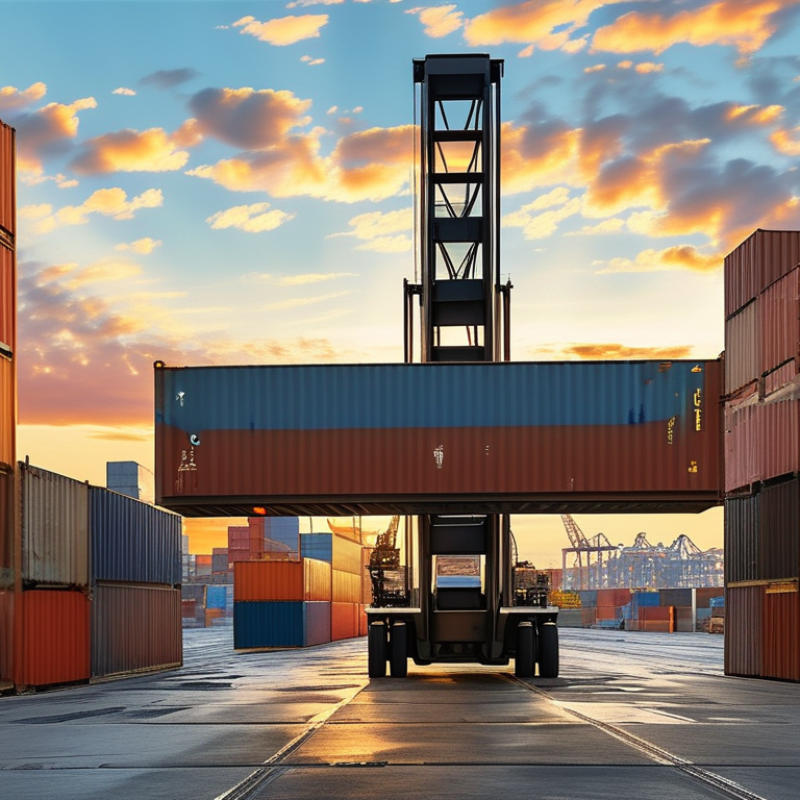
Understanding Mobile Port Loading Hoppers and Their Functionality
Mobile port loading hoppers serve as critical solutions in the logistics and shipping industry. These versatile machines facilitate the transfer of bulk materials from ships to trucks or storage facilities. According to a recent industry report, over 75% of global shipping ports now utilize mobile hoppers to enhance operational efficiency. This trend highlights the functionality and adaptability of these systems in a rapidly changing market.
The design of mobile port loading hoppers allows for easy transportation and setup. They can be customized to manage various materials, improving workflow based on specific needs. Notably, real-time data indicates that using these hoppers can reduce loading times by up to 30%. This efficiency is vital, especially when considering the rising demands for swift logistics in today’s economy. However, businesses must also be aware of maintenance challenges. Regular inspections and part replacements can be overlooked, affecting reliability.
Functionality is key in choosing the right equipment. Mobile hoppers must accommodate different cargo types, such as grain or coal. Their performance varies based on design; some may struggle with finer materials. Industry research suggests that selecting the right features is essential for maximizing productivity. Investing in high-quality equipment is crucial, yet firms need to remain vigilant about operational costs and performance evaluations.
Key Advantages of Using Mobile Port Loading Hoppers in Operations
Mobile port loading hoppers serve as an essential asset for businesses involved in bulk material handling. One primary advantage is their flexibility. These hoppers can be easily repositioned, adapting to various loading locations. This mobility can significantly reduce downtime and increase productivity. Transporting materials from one point to another becomes a seamless process.
Efficiency is another key benefit. Mobile loading hoppers facilitate quicker loading operations, minimizing delays. In a fast-paced environment, every minute counts. Operators can load materials directly onto ships or trucks with ease. This streamlines workflow and optimizes logistics.
Tips: Ensure proper maintenance of the equipment to avoid unexpected breakdowns. Regular inspections can enhance performance and extend lifespan. Training staff on best practices will further minimize risks and improve safety. Adapting technology to track usage can also provide critical data for better decision-making. Embracing mobile port loading hoppers can truly revolutionize your operational capabilities.
Why Choose a Mobile Port Loading Hopper for Your Business Needs? - Key Advantages of Using Mobile Port Loading Hoppers in Operations
| Advantage | Description | Impact on Operations |
| Flexibility | Can be easily relocated to different loading sites as needed. | Increases operational efficiency by adapting to varying site demands. |
| Cost-Effectiveness | Reduced need for permanent infrastructure investment. | Lower overhead costs and improved profit margins. |
| Efficiency | Rapid loading and unloading capabilities. | Speeds up cargo handling times, enhancing productivity. |
| Versatility | Suitable for various materials including bulk and containerized cargo. | Allows businesses to handle diverse shipments effectively. |
| Safety Features | Equipped with advanced safety mechanisms to protect operators. | Reduces the risk of accidents and enhances workplace safety. |
Factors to Consider When Selecting a Mobile Port Loading Hopper
When selecting a mobile port loading hopper, it's essential to evaluate several factors. The capacity of the hopper should align with your operational needs. A hopper that is too small can slow down loading times. Conversely, a hopper that's too large may lead to wasted resources and increased costs. Consider the types of materials you will handle. Specific hoppers are designed for certain materials. This can affect efficiency and safety during operations.
Mobility is another critical aspect. Hoppers need to be easily transportable to different locations. Look for models that offer robust wheels and hitch systems. Assess their ease of relocation across various terrains. Additionally, the hopper's construction material must be durable. Corrosive materials can wear down inadequate structures quickly. Look for options that balance portability with strength to withstand tough conditions.
Lastly, examine the maintenance requirements. A hopper that is difficult to service can lead to downtime. Regular maintenance is vital for reliability. It's worth investing time in understanding these factors. Reflecting on how they match your business needs can be beneficial. Each decision can shape your operational efficiency and cost management.
Why Choose a Mobile Port Loading Hopper for Your Business Needs?
Applications of Mobile Port Loading Hoppers Across Various Industries
Mobile port loading hoppers are vital across various industries. They facilitate efficient material handling, making them essential for businesses in agriculture, construction, and shipping. In agriculture, they enable quick transfer of grains and fertilizers. This efficiency is critical, especially during peak harvest seasons. A report from the Food and Agriculture Organization notes that agricultural output has increased by over 40% in the past decade. This surge increases the demand for efficient loading solutions.
In construction, mobile hoppers help manage bulk materials like sand, gravel, and asphalt. These materials are typically heavy and cumbersome. The construction industry employs around 7% of the global workforce, according to World Bank data. Improving logistics can increase productivity by 20%. Mobile loading hoppers streamline these operations, enabling quicker project completion.
The shipping industry also benefits from loading hoppers. They enhance the loading and unloading process at ports. Industry studies show that reducing loading times by just 10% can increase overall port efficiency by 15%. However, while hoppers are versatile, factors like maintenance and operational training require ongoing attention. The right expertise is crucial for maximizing their potential and minimizing downtime.
Cost-Benefit Analysis of Implementing Mobile Port Loading Hoppers
Mobile port loading hoppers offer significant cost benefits that can enhance your business operations. These systems provide flexibility in unloading and loading materials efficiently. They can adapt to different types of cargo, making them versatile for various industries. Investing in a mobile port loading hopper can save on labor costs since fewer workers are needed to manage the cargo flow. Additionally, they minimize unloading times, which can lead to quicker turnaround for vessels.
Tips: Evaluate your specific loading needs. Decide on the materials and volumes you typically handle. This will help you choose a hopper that maximizes efficiency and minimizes waste.
A cost-benefit analysis should also consider maintenance. Mobile hoppers may require regular upkeep, which can add expenses. However, a well-maintained system offers reliability and reduces downtime. Consider training for your team to operate these systems properly. Investing in human capital ensures you get the most out of your equipment.
Tips: Monitor your operational costs closely. If using a mobile hopper leads to a sustainable increase in efficiency, you’re likely making a sound investment. However, track usage and gather data to adjust your operations as necessary. Reflect on your findings each month. This can help refine your strategy over time.