What is Kitchen Equipment and Why is it Essential for Chefs?
In the culinary world, Kitchen Equipment is not simply a collection of tools; it is the backbone of any successful food service operation. According to a report by IBISWorld, the kitchen equipment industry is projected to reach $12 billion by 2025, reflecting the significant investments chefs make in high-quality gear. This investment highlights the essential role that kitchen equipment plays in ensuring efficiency and consistency in food preparation.
Professional chefs rely on kitchen equipment to deliver outstanding dishes. Reliable ovens, precise mixers, and effective refrigeration systems are critical for maintaining the quality of ingredients and finished products. A survey conducted by the Food Service Equipment & Supplies (FES) found that 77% of chefs believe updated equipment improves their performance during service hours. However, the challenge lies in balancing cost and quality. Not all chefs have access to the latest tools, which can hinder creativity and efficiency.
Moreover, a lack of proper kitchen equipment can lead to operational setbacks. For instance, using outdated or poor-quality tools may result in inconsistent cooking outcomes. This highlights the need for chefs to be thoughtful about their equipment choices. The right kitchen equipment can enhance culinary skills, but it requires ongoing reflection and adjustment to meet evolving needs in a dynamic industry.
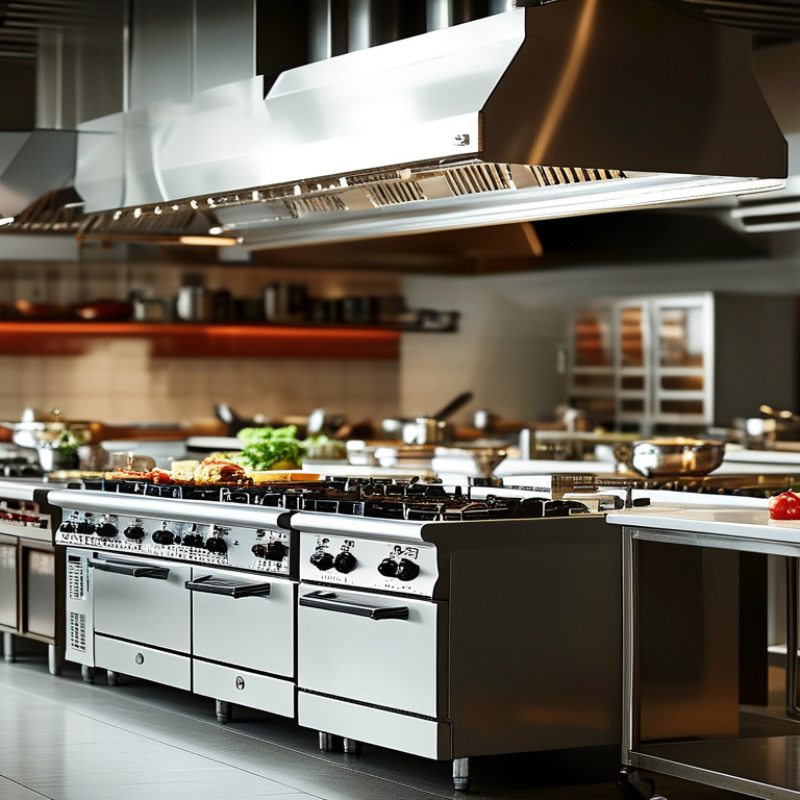
What Constitutes Kitchen Equipment in Culinary Practices
Kitchen equipment forms the backbone of any culinary practice. It encompasses a wide range of tools and appliances that chefs rely on daily. Essential items include knives, cutting boards, pots, and pans. Each piece serves a unique purpose, making precision and safety critical in the kitchen. For instance, a chef's knife must fit comfortably in one’s hand to ensure efficient chopping. The quality of these tools directly impacts the final dish.
Beyond basic tools, larger equipment like ovens and grills plays a crucial role. A reliable oven can drastically improve cooking consistency. However, not all kitchens have access to top-grade equipment. This disparity can challenge chefs. They must adapt and innovate, often utilizing makeshift solutions to overcome limitations. For instance, using a stovetop instead of a grill can change the cooking approach and flavor profile.
Understanding kitchen equipment is not just about knowing what items exist. It involves realizing how each piece interacts within a bustling environment. A lack of organization can lead to inefficiencies. Chefs must develop a system that works for them, learning from mistakes along the way. This ongoing process fosters growth and knowledge, making chefs more adept in their culinary journey.
What is Kitchen Equipment and Why is it Essential for Chefs?
| Equipment Type | Description | Importance |
| Chef Knife | A versatile cutting tool for chopping, slicing, and dicing ingredients. | Essential for precision in food preparation, enhancing efficiency. |
| Cutting Board | A flat surface for cutting foods, available in various materials. | Protects countertops and provides a sanitary area for food prep. |
| Mixing Bowls | Bowls of various sizes used for combining ingredients. | Crucial for preparation of recipes requiring blending of components. |
| Pots and Pans | Cookware used for boiling, frying, and baking. | Essential for cooking a wide variety of dishes with different techniques. |
| Measuring Cups and Spoons | Tools for accurately measuring ingredients for recipes. | Important for consistency and precision in cooking and baking. |
The Role of Essential Kitchen Tools in Enhancing Chef Efficiency
In a chef's world, kitchen tools are not just accessories; they are essentials. Effective tools can significantly enhance efficiency. A sharp knife can save time when chopping vegetables. A sturdy cutting board provides a stable surface. These simple tools make a big difference during busy service times.
Consider the role of a reliable skillet. It allows for even heating, which helps achieve perfect sears. This consistency is crucial, especially under pressure. A cluttered countertop can slow down workflow. Organizing tools and equipment promotes better focus. A well-arranged kitchen reduces stress and enhances creativity.
Every chef has experienced moments of struggle with inadequate equipment. These instances provide valuable lessons. For example, experiencing a dull knife can lead to injury or slow preparation. Reflection on these challenges fosters awareness. It encourages chefs to prioritize quality tools for improved performance. Investing in the right kitchen equipment ultimately pays off in speed and quality.
Market Trends: Investment in Professional Kitchen Equipment
Investing in professional kitchen equipment is a significant trend shaping the culinary industry. Many chefs recognize that high-quality tools can enhance efficiency and improve dish quality. As restaurants seek to stay competitive, they prioritize equipment that supports creativity and speed. High-performance ovens, commercial mixers, and specialized tools are on the rise.
Tips: Choose equipment that fits your cooking style. Consider ease of cleaning and maintenance. Quality matters, but don’t overspend on features you won’t use.
The shift toward sustainability is also influencing market trends. Chefs are looking for energy-efficient and durable products. This approach helps reduce waste in the kitchen. Investing in solid equipment leads to long-term savings and a smaller environmental footprint.
Tips: Research energy ratings before purchasing. Used equipment can be a smart choice if refurbished. Seek out reliable suppliers that offer warranties or service.
The current market reflects chefs’ dedication to both professionalism and innovation. As culinary needs evolve, equipment choices must adapt alongside them. This ensures chefs have the right tools to succeed in a fast-paced environment. Embracing these trends can lead to meaningful improvements in culinary practices.
Health and Safety Standards in Kitchen Equipment for Chefs
Kitchen equipment plays a crucial role in meeting health and safety standards for chefs. According to the U.S. Food and Drug Administration (FDA), improper use of kitchen tools can lead to foodborne illnesses. Reports indicate that 48 million Americans get sick from food each year. Properly maintained equipment helps minimize these risks.
Regular cleaning and sanitizing practices are essential for all kitchen tools. In a recent survey by the National Restaurant Association, 67% of food industry professionals stressed that hygiene starts with equipment. Choosing tools made from food-safe materials also reduces health risks. For example, non-porous surfaces are easier to clean and less likely to harbor bacteria.
However, many kitchens still face challenges with equipment compliance. Some chefs may overlook the importance of regular inspections and updates. An aging kitchen can lead to unsafe cooking conditions. For instance, worn-out knives can cause accidents, while malfunctioning appliances may pose fire hazards. Awareness of these factors is key to ensuring a safe kitchen environment.
Innovations in Kitchen Equipment: Impact on Culinary Arts
Innovations in kitchen equipment have shaped the culinary arts in remarkable ways. Advanced tools increase efficiency, allowing chefs to focus more on creativity. For instance, smart ovens with precise temperature controls can enhance cooking techniques significantly. Chefs are embracing this technology, which helps maintain consistency and quality. According to recent studies, the global kitchen equipment market is projected to reach USD 110 billion by 2025, highlighting the growing demand for innovative tools.
Yet, with innovation comes the challenge of adaptability. Many chefs find it difficult to transition to new technologies. While some equipment can streamline processes, others may complicate them. For instance, complicated interfaces on high-tech devices can frustrate even seasoned professionals. A report indicated that 42% of chefs believe training is essential for overcoming these challenges. Investing time in learning how to use modern tools effectively is crucial.
Furthermore, not all innovations benefit every kitchen. Some high-tech appliances are expensive and may not fit small-scale operations. Equipment effectiveness can vary based on the type of cuisine. A chef specializing in traditional methods may find new tools less helpful. Balancing tradition and innovation remains a critical conversation within the culinary community. The integration of new equipment should enhance culinary arts, not overshadow them.
Impact of Kitchen Equipment Innovations on Culinary Arts