Why Invest in Packaging Automation Equipment for Your Business?
In today's fast-paced market, investing in Packaging Automation Equipment has become essential for many businesses. Industry expert Sarah Thompson, a leading authority in packaging technology, once stated, "Automation in packaging not only enhances efficiency but also ensures consistency and quality." This sentiment underscores the growing importance of automation as companies strive to meet increasing consumer demands.
Packaging Automation Equipment streamlines operations, cutting down labor costs and minimizing human error. By integrating advanced solutions, businesses can focus on core activities while machines handle repetitive tasks. Moreover, automation often leads to improved product quality and faster turnaround times.
Despite the clear advantages, some companies hesitate to invest. Concerns about initial costs and potential disruptions during implementation can be daunting. However, the long-term benefits often outweigh these challenges. In an era where efficiency is paramount, adapting to packaging automation may not just be beneficial—it might be necessary.
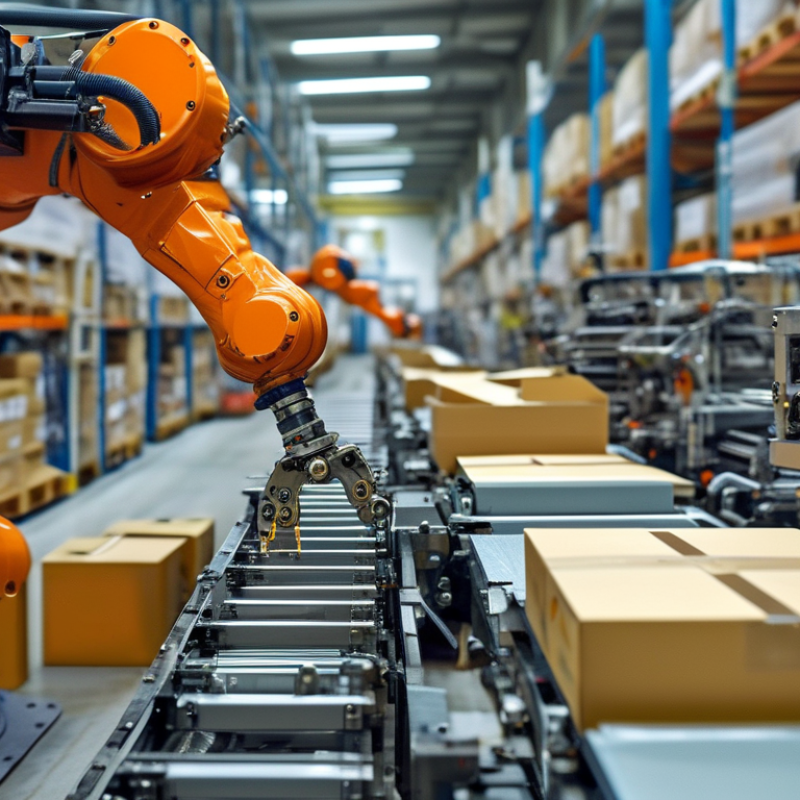
Benefits of Packaging Automation Equipment for Business Efficiency
Investing in packaging automation equipment can significantly enhance business efficiency. According to a recent report by Smithers Pira, automated packaging solutions can reduce labor costs by up to 30%. This reduction can be a game-changer for companies facing rising labor wages. Automation minimizes human error, leading to more consistent product quality. Businesses can maintain a better reputation when their products are packaged perfectly every time.
Moreover, automated systems can increase production speed. A study from the Association for Packaging and Processing Technologies highlights that automated packaging lines can operate at up to 150 packs per minute. This makes it easier to meet growing consumer demand without sacrificing quality. However, companies must invest wisely. The initial costs can be daunting, and not every solution fits every business. Understanding specific operational needs is critical before making such commitments.
Additionally, while automation improves efficiency, it can lead to challenges. Employee training becomes essential. Staff unfamiliar with new systems may struggle initially. Transition periods can disrupt production. Businesses must evaluate their ability to adapt to these changes. Nonetheless, the long-term benefits of automation often outweigh these transitional hurdles.
Cost Savings and Return on Investment in Packaging Automation
Investing in packaging automation can significantly enhance your business's efficiency and profitability. According to a report by PMMI, packaging automation can reduce operational costs by up to 30%. This figure highlights the financial benefits of adopting such technology. With labor costs rising, organizations increasingly turn to automation to maintain their competitiveness.
The initial investment in packaging automation may seem daunting. However, the return on investment (ROI) can be rapid. Research shows that many companies see ROI within 1 to 3 years. In some cases, this period shortens to just a few months. These systems can improve speed and consistency, leading to enhanced product quality. Moreover, they free up human resources for more strategic tasks.
Industry experts emphasize the importance of adaptability in automation solutions. Packaging requirements may shift due to market trends or consumer preferences. Inadequate automation might result in wasted resources or delayed responses. Therefore, evaluating equipment versatility is essential. Companies must consider how their equipment will evolve as market demands change. This analysis can ensure long-term success and sustainability in a competitive landscape.
Enhancing Product Quality and Consistency through Automation
Investing in packaging automation equipment can significantly enhance product quality. Automation reduces human error, leading to consistent packaging results. For instance, automated machines apply seals with precision, ensuring that every package maintains integrity. This consistency builds customer trust, as consumers expect reliable quality.
Moreover, automation allows for better material usage. High-quality packaging materials can be applied accurately, minimizing waste. This not only maintains product freshness but also positively impacts sustainability practices. However, businesses must consider the initial investment and ongoing maintenance costs. Balancing these factors is crucial for long-term success.
A common challenge is adapting existing workflows to integrate automation. Staff may require training to operate new systems, which can disrupt operations temporarily. Despite these hurdles, many businesses have seen stark improvements in output consistency and product quality. This adaptation period is a critical time for reflection and adjustment.
The Role of Packaging Automation in Meeting Consumer Demand
Consumer demand is constantly evolving. Businesses must adapt packaging automation to meet these needs effectively. Automation streamlines processes, ensuring products are packaged quickly and accurately. This efficiency reduces labor costs and minimizes errors. In a competitive market, speed and reliability become crucial. Companies that fail to adapt may struggle against competitors who embrace technology.
To successfully implement packaging automation, consider your specific needs. Assess your production volume and types of products. Invest in scalable solutions that grow with your business. Automation requires training staff to operate new systems efficiently. Building a knowledgeable team is essential for smooth operations. Don’t overlook the integration of automation with existing processes.
Here are some tips to consider:
- Monitor consumer trends to stay ahead.
- Evaluate the return on investment regularly.
- Ensure maintenance is part of your strategy.
Failure to address these factors can hinder your automation efforts. Regularly assess your equipment's performance and seek feedback from employees for continuous improvement. Prioritize adaptability in your approach to packaging automation.
Why Invest in Packaging Automation Equipment for Your Business? | Aspect | Data |
| Market Size (2023) | USD 4.5 Billion |
| Annual Growth Rate (CAGR 2023-2028) | 7.5% |
| Percentage of Companies Investing in Automation | 68% |
| Average ROI on Packaging Automation | 25% within 3 years |
| Reduction in Labor Costs | 30% |
| Increase in Production Speed | 50% |
| Customer Demand for Sustainable Packaging | 45% |
Future Trends in Packaging Automation Technology and Innovations
The packaging automation industry is witnessing rapid advancements. Emerging trends are reshaping how businesses approach packaging. The market growth is notable. According to a report by AMR, the packaging automation market is expected to reach USD 93.62 billion by 2028, growing at a CAGR of 10.2% from 2021. This growth highlights the increasing reliance on technology for efficiency and productivity.
Innovations in artificial intelligence (AI) and robotics are at the forefront. AI-driven systems can assess packaging needs in real-time, adapting to changes in product dimensions. This allows for greater flexibility and reduces waste. Robotics enhance speed and accuracy, minimizing human error. In 2023, over 43% of manufacturers reported implementing robotic solutions in their processes. These technologies lead to improved safety and lower labor costs.
Sustainability is another crucial trend. Eco-friendly materials and processes are becoming standard. Companies use biodegradable films and recyclable materials based on consumer demand. A survey indicated that 70% of consumers prefer products with sustainable packaging. Despite these advancements, challenges remain. Not all businesses can afford the initial investment in automation. Continuous education on technology is necessary for staff. Embracing change can lead to greater success.