What Are Hydraulic Ram Components?
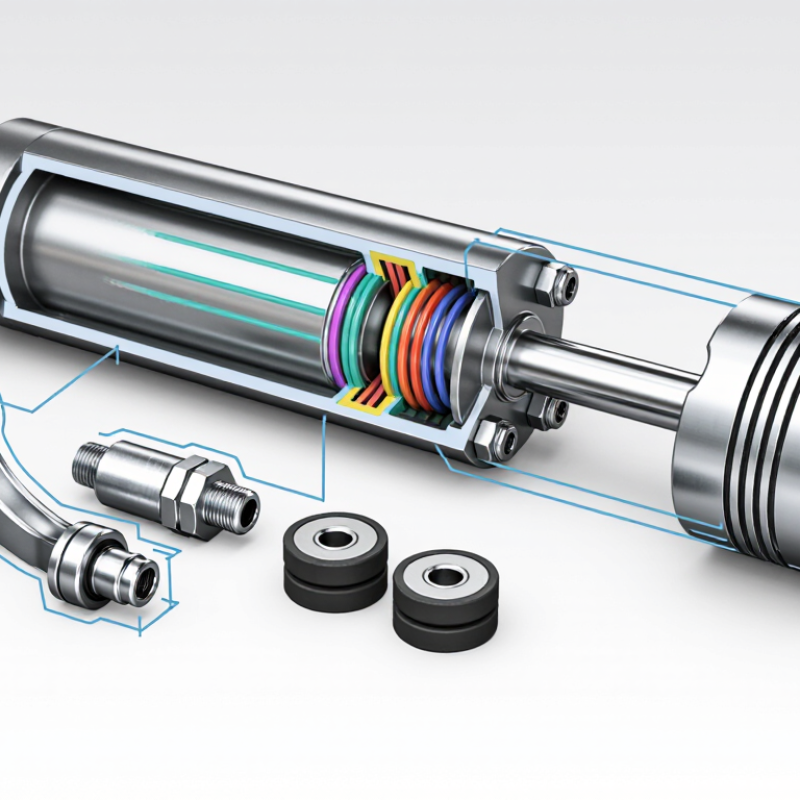
Hydraulic Ram Components turn pressurized fluid into controlled linear force. A ram may look like a steel tube with a moving rod, but each part affects pressure containment, alignment, leakage, and service life. The core assembly commonly includes a cylinder barrel, piston, piston rod, seals, end caps, and hydraulic ports. Mounts and cushioning features may also shape how the ram behaves under load.
The National Fluid Power Association’s monthly shipment reports track activity across the fluid-power industry. They offer useful market context, though shipment trends cannot tell you whether a particular ram is correctly sized or assembled. For dimensional reference, ISO 6020 and ISO 6022 cover mounting dimensions for selected hydraulic cylinders. Neither standard replaces checking a manufacturer’s pressure ratings, materials, or application limits. Details matter.
This guide explains what each component does and how the parts work together during an operating cycle. A piston seal, for example, must limit fluid bypass while moving inside the barrel. A rod seal helps keep oil in and contamination out. Even a small scratch on the rod can shorten seal life; it is easy to overlook during inspection. Bore diameter, rod diameter, stroke, operating pressure, and mounting style also influence selection. The practical lesson is simple: identify the job before comparing parts. Specifications vary by design, and not every ram uses the same internal features. Some assumptions need checking. This overview provides a foundation, not a substitute for the equipment manufacturer’s drawings or service instructions.
Hydraulic Ram Pump: Definition and Basic Operating Principle
A hydraulic ram pump is a water-lifting device that uses the energy of flowing water to raise a smaller amount to a higher level. It needs no motor or external electricity. Instead, a steady supply flows downhill through a drive pipe, gaining speed as it moves.
The pump’s usable lift depends on the available fall, pipe layout, and water supply. It cannot lift water from a still source.
Simple, but not effortless.
Inside the pump, a waste valve opens and lets water escape until the moving flow closes it suddenly. This abrupt stop creates a pressure surge, often called water hammer. The surge pushes open a delivery check valve and sends some water into an air chamber, which softens the pulses before water travels uphill.
When pressure drops, the delivery valve closes and the waste valve opens again. The cycle repeats automatically, often several times each minute. Most of the incoming water leaves through the waste valve; only a portion reaches the outlet. That trade-off is easy to overlook. A clear intake, secure pipe joints, and freely moving valves help keep operation reliable, though real installations may need adjustment as flow conditions change.
Main Components of a Hydraulic Ram Pump
What Are Hydraulic Ram Components?
Main Components of a Hydraulic Ram Pump
A hydraulic ram pump uses flowing water and a small drop in elevation to lift some of that water to a higher point. Its drive pipe carries water from the source to the pump body. The pipe needs firm support because repeated pressure pulses can make it vibrate. No external motor is needed.
Two valves control the pumping cycle. The waste valve opens as water flows through the pump, then closes as the moving water builds pressure. That pulse matters. It pushes open the delivery check valve, sending water into the air chamber and delivery pipe. The air chamber cushions pressure changes and helps maintain a steadier flow. The remaining water exits through the waste valve.
Small parts matter. A worn valve seat or loose fitting can reduce performance, even when the pump appears sound. The air chamber is easy to overlook during inspection; checking it is a useful reminder that reliable operation depends on more than the pump body. If the chamber loses its air cushion, flow may become irregular.
Pipe length, elevation drop, and delivery height also affect performance, so installation details should match the site rather than rely on guesswork.
The Function of Each Component in Water Flow
What Are Hydraulic Ram Components?
The Function of Each Component in Water Flow
Water enters the hydraulic ram through a drive pipe, powered by a steady drop in elevation. Its speed builds as it flows toward the waste valve. The valve stays open at first, letting water spill out. Then the moving water pushes it shut.
That sudden stop matters. The brief pressure surge, often called water hammer, redirects part of the flow through the delivery valve.
The delivery valve opens when pressure inside the pump exceeds pressure in the delivery line. Water then moves into the air chamber, where trapped air compresses and softens the pulsing flow. The chamber helps send water uphill more steadily. A delivery pipe carries it to a storage tank or outlet.
Not all of it. Much of the incoming water leaves through the waste valve, so the pump trades a larger flow for a smaller lifted flow.
The pump body holds the valves and chamber in alignment, while the drive pipe helps create the pressure cycle. Pipe length, elevation, and valve condition all affect performance.
A worn waste valve may leak and weaken the pressure pulse. The mechanism is simple, but not always forgiving; small setup errors can make it sputter or stop.
How the Components Work Together During Pumping
What Are Hydraulic Ram Components?
How the Components Work Together During Pumping
A hydraulic ram pump uses flowing water to lift a smaller amount uphill without an external power supply. Its main parts are the drive pipe, waste valve, delivery valve, air chamber, and delivery pipe. Water rushes down the drive pipe and exits through the open waste valve. As the water accelerates, the waste valve snaps shut. The sudden stop creates a pressure surge, often called water hammer.
That surge pushes the delivery valve open, sending water into the air chamber and up the delivery pipe. Compressed air in the chamber softens pressure pulses and helps maintain a steadier flow. When pressure falls, the delivery valve closes and the waste valve opens again. The cycle repeats. Practical Action’s technical brief on hydraulic ram pumps reports efficiencies commonly around 60–80%, though actual results depend on site conditions and setup. A poor pipe layout can reduce performance; calculations alone do not catch every installation problem.
Tips: Keep the drive pipe straight and firmly anchored. Check both valves for debris and wear. A faint, regular clicking sound can indicate cycling; irregular knocks deserve investigation. Measure the source flow and vertical lift before sizing the system.
Common Component Materials and Maintenance Needs
Hydraulic ram components face pressure, friction, moisture, and repeated movement. Cylinder barrels are commonly made from steel, with carefully finished inner surfaces that help seals move smoothly. Pistons and rods are often steel; rods may have a hardened or plated surface to resist wear. The body may use steel or cast iron, while seals are commonly made from polyurethane or nitrile rubber. Stainless steel can help in corrosive surroundings, but it is not a universal fix. Every material involves trade-offs.
Maintenance starts with observation. Check the rod for scratches, rust, or dried fluid, and inspect fittings for fresh leaks. A damaged rod can quickly wear a seal. Replace seals that appear cracked, flattened, or swollen, using parts suited to the system’s fluid and operating conditions. Keep hydraulic fluid clean; grit can score close-fitting surfaces. Follow the equipment maker’s pressure and service guidance, and release stored pressure before inspection. Small details matter. Alignment deserves attention, too, though it is easy to overlook when the ram still moves.
Tips: Wipe the exposed rod with a clean, lint-free cloth. Look for leaks after operation, not only before it. Record fluid changes and repairs; memory is less reliable than a simple log.