How to Choose the Right PVC Tarpaulin for Your Needs?
Choosing the right PVC Tarpaulin can significantly impact your project success. Whether you need it for outdoor events, construction sites, or covering goods, the options are vast. It’s essential to consider durability, weather resistance, and tear strength. PVC Tarpaulin comes in various weights, colors, and finishes, each serving different needs.
Many people overlook specific features when selecting a tarpaulin. For instance, not all PVC Tarpaulins are equally waterproof. Some might fade in sunlight or become brittle over time. Understanding your needs before purchasing can save time and money. Do you need a lightweight option for easy transport? Or a heavy-duty variety for rigorous conditions?
Think about where and how you’ll use the PVC Tarpaulin. Your choice could affect its longevity. It’s easy to get caught up in price, but quality matters too. Take the time to research and reflect on what features are essential for your projects. This decision will influence not just the appearance but also the functionality of your material.
Understanding the Different Types of PVC Tarpaulin Available
Choosing the right PVC tarpaulin can be confusing. There are various types, each serving different purposes. Understanding these types will help you make an informed decision.
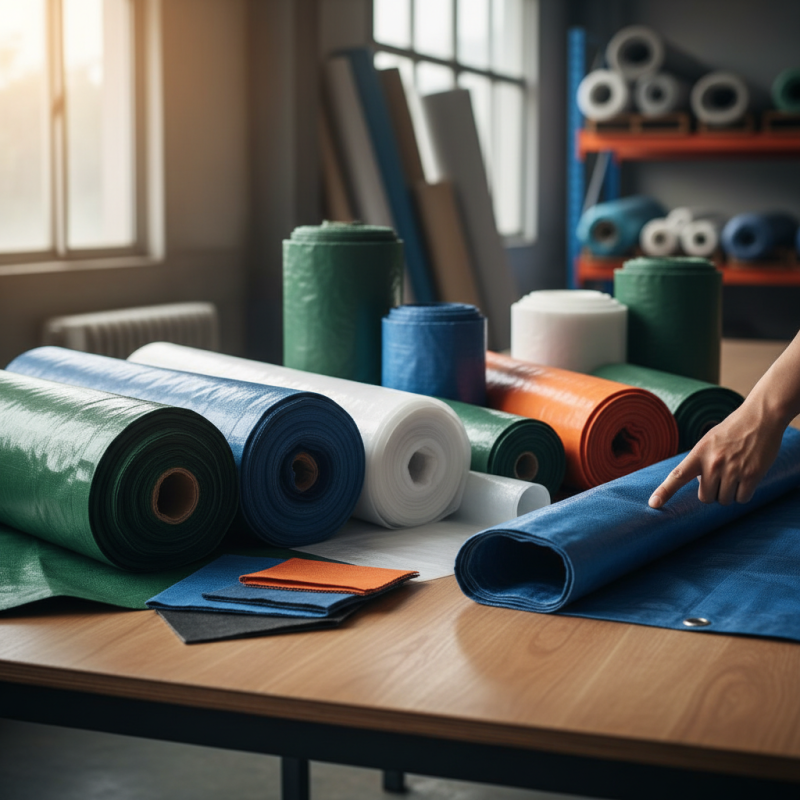
One common type is the heavy-duty PVC tarpaulin. It's thick and durable, perfect for construction sites. It withstands tough weather conditions. However, it’s often less flexible, which could be an issue for storage. A lighter option is the canvas-like PVC variant. It is more flexible and easier to handle but may not provide the same level of weather protection.
Tips: Consider your primary use before purchasing. Do you need it for outdoor events or industrial purposes? Look for features such as UV resistance and waterproofing, as these can significantly enhance the tarpaulin's lifespan. Don't forget to check the grommets and corner reinforcements; weak spots can lead to tears.
Another type is the transparent PVC tarpaulin. It allows visibility, which is great for displays. However, keep in mind that transparency can come with a lower durability. Reflecting on your needs is essential. A tarpaulin that works for one situation might not be ideal for another. Make sure to align your choice with the specific requirements you have in mind.
Evaluating the Strength and Durability Requirements for Your Project
When selecting the right PVC tarpaulin, evaluating strength and durability is crucial. Different projects have unique challenges. For example, outdoor events need materials that withstand wind and rain. Meanwhile, construction sites require heavy-duty tarps that can handle sharp objects and rough usage.
Consider the thickness of the tarpaulin. A thicker material often means better durability. However, it might also add weight, making it cumbersome to handle. Finding a balance is essential. Look for features like UV resistance and water-proofing, but remember, not all products advertise their weaknesses. Some may degrade faster than expected.
Evaluate your typical use case. How often will the tarp be exposed to harsh conditions? Will it be strewn across rough surfaces or tightly secured? Such questions can guide your selection. If you're unsure, consult reviews and seek advice. Sometimes, firsthand experience outweighs product claims. It's okay to experiment until you find the perfect fit for your needs.
Factors to Consider for Tarpaulin Thickness and Weight
When selecting a PVC tarpaulin, thickness and weight are crucial. The right thickness affects durability and application. Tarpaulins typically range from 0.18mm to 1.5mm. Thicker options stand out, offering superior tear resistance. However, they can be heavier and more cumbersome. A 0.5mm tarpaulin may suit light-duty needs, while those seeking heavy-duty use often prefer 1mm or above.
[Image] Weight is another key factor. It impacts how easy the tarpaulin is to handle and transport. A lighter tarpaulin might weigh only 200 grams per square meter (gsm), while a thicker variant could exceed 700 gsm. This weight difference significantly alters portability and usability. Choosing the right balance is essential. A heavy tarpaulin may withstand harsh conditions but can lead to transport struggles.
Consider specific needs. If frequent setup and takedown are required, a lighter variant may be ideal. However, for long-term outdoor use, investing in a thicker, heavier option could yield better results. Industry reports suggest that high-quality, well-constructed tarpaulins reduce replacement frequency. This can ultimately save costs, despite the initial higher investment in thickness and weight.
Choosing the Right Color and UV Protection Features
When choosing PVC tarpaulin, color and UV protection are crucial. The right color affects visibility and heat absorption. Lighter colors reflect sunlight, keeping the area cooler. Dark colors absorb heat, making them ideal for certain applications. Think about where and how you will use the tarpaulin.
For UV protection, consider the thickness and quality. Some tarpaulins offer high UV resistance. This is essential if the tarp will be outdoors for extended periods. A tarp without adequate UV protection can degrade quickly, leading to tears and color fading.
Tips: Always check the specifications. Ask questions about the UV ratings. Ensure the color suits your needs. Consider your local climate too. If you live in a sunny area, invest in stronger UV protection. Don't just focus on aesthetics; performance matters more.
How to Choose the Right PVC Tarpaulin for Your Needs?
| Color | UV Protection Level | Material Thickness (mm) | Weight (g/m²) | Water Resistance |
| Blue | High | 0.5 | 650 | Excellent |
| Green | Medium | 0.75 | 720 | Good |
| Red | Low | 1.0 | 800 | Fair |
| Yellow | High | 0.6 | 660 | Excellent |
| Grey | Medium | 0.8 | 700 | Good |
Assessing Budget and Cost-Effectiveness of Tarpaulin Options
When selecting a PVC tarpaulin, assessing your budget is crucial. Many suppliers report that the price range can vary significantly based on quality and features. Standard options may cost around $1.50 to $3.00 per square meter. Premium models can climb up to $5.00 or more. This wide gap emphasizes the need to weigh initial costs against long-term benefits.
Cost-effectiveness should be a priority. According to industry reports, investing in a higher-quality tarpaulin can lead to savings over time. Cheaper tarpaulins may wear out sooner, leading to replacement costs. In contrast, durable options can provide extended use, which is beneficial for businesses that require reliability. For instance, a good quality tarpaulin can last up to five years if cared for properly.
Consider maintenance, too. Basic cleaning supplies may suffice for cheaper options, but higher-end tarps require specific care. This can add to ongoing expenses. Think about how this aligns with your budget. Additionally, consult with experts or fellow users for insights on what truly delivers value over time. Balancing upfront costs with longevity is essential for informed decision-making.