How to Choose the Right E-bike Connector for Your Needs?
Choosing the right E-bike connector is crucial for enhancing your riding experience. An E-bike connector plays a vital role in the performance and functionality of your electric bike. It acts as the bridge between the battery and the motor, delivering power efficiently. However, the variety of connectors available can be overwhelming.
Different styles and specifications serve various needs and preferences. For instance, some connectors are designed for quick disconnection, while others prioritize durability. Understanding your specific requirements can help mitigate potential issues later.
Moreover, the importance of matching an E-bike connector to your model cannot be overstated. Mismatched connectors may lead to inefficient power transfer or even damage. Ensuring compatibility involves more than just picking any connector off the shelf. It requires careful consideration of the technical specifications and the intended use of the bike.
Understanding Different Types of E-bike Connectors Available in the Market
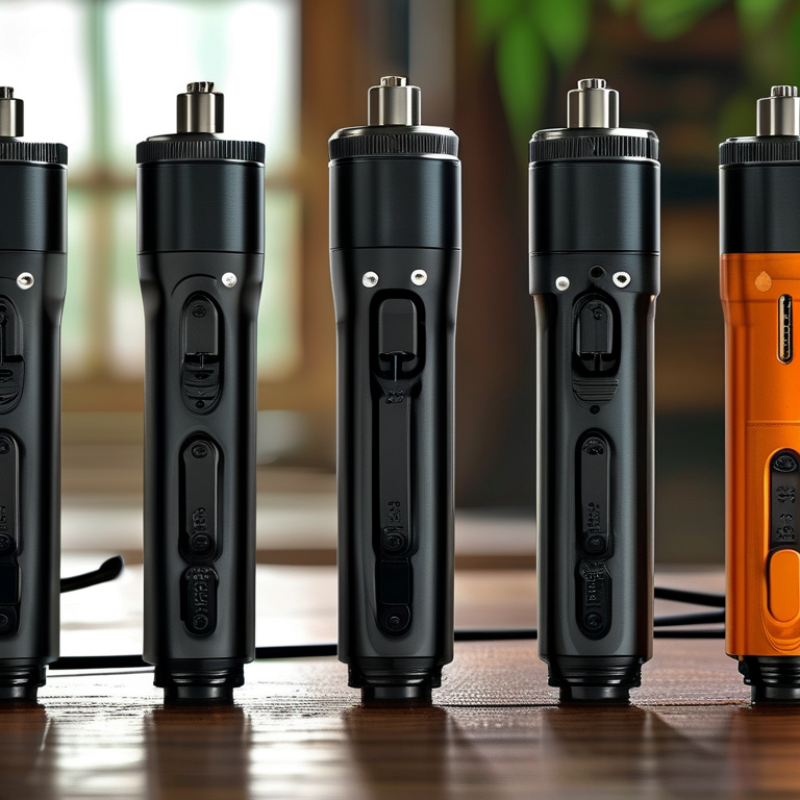
When selecting an e-bike connector, understanding the various options is essential. Many types exist, including XT60, Anderson Powerpole, and Molex connectors. Each type serves specific needs and applications. The XT60 is popular for high-current discharge and is often used for lithium battery packs. Anderson Powerpole connectors are also favored for their durability and ease of assembly.
According to a 2022 report from the Electric Bike Association, over 40% of e-bike users have experienced connectivity issues. This highlights the importance of choosing the right connector. The compatibility of connectors is crucial for proper functioning. A poorly matched connector can lead to significant power loss or even damage to your e-bike's components.
Consider the current rating of the connector. For higher voltages, select a connector that can handle at least 30A. While it may be tempting to skimp on costs, investing in quality connectors ensures safety and efficiency. Sometimes, choosing the wrong connector can lead to overheating, which is a common issue many e-bike users face.
When purchasing connectors, always check the specifications. Connectors should meet the required standards for your battery and motor. Regular maintenance and inspection of these components are vital. This can help in avoiding unexpected failures while riding.
Key Specifications to Consider When Selecting an E-bike Connector
Choosing the right e-bike connector involves careful consideration of several key specifications. One critical factor is the voltage rating. Ensure the connector matches your e-bike’s battery voltage. Using an incorrect voltage can lead to poor performance or even damage. Pay attention to the current rating as well. The connector must handle the maximum current your motor draws. A low-rated connector can overheat or fail.
Wire gauge is another essential specification. Thicker wires can reduce resistance and improve efficiency. However, they add weight. Finding the balance is crucial. In addition, consider the type of connector—both waterproof and non-waterproof options are available. If you ride in wet conditions, waterproof connectors are a must.
When selecting a connector, consider your specific needs. Think about your riding habits and environmental factors. If you often ride long distances, ensure the connector supports sustained current flow. Reflect on your previous experiences. Did your last connector provide reliable performance? Investigate connectors that offer good reviews for reliability and durability. Prioritize quality to avoid future hassles.
Evaluating Compatibility with Your E-bike's Electrical System
When selecting an e-bike connector, it's crucial to evaluate compatibility with your e-bike's electrical system. Different e-bike systems have unique voltage and current requirements. Using a connector that doesn't match these specifications can lead to poor performance. For instance, if your battery is rated for 36V, a connector designed for 48V may not work efficiently.
Check the connector pins as well. They should match in terms of size and arrangement. Mismatched connectors can cause short circuits or damaged components. Additionally, consider the environmental conditions where you ride. If you often encounter moisture, choose connectors that are water-resistant to ensure durability.
It's easy to overlook these details. Many users focus solely on aesthetics or price. However, the right connector is vital for safety and functionality. Each component's quality matters. Don't settle for generic options without understanding their specifications. Your choice impacts your overall e-bike experience. Recognizing your e-bike's electrical system will lead to better decisions.
Choosing the Right E-bike Connector: Compatibility Evaluation
This chart demonstrates the compatibility of different types of e-bike connectors with common electrical systems used in e-bikes. The data reflects how frequently each connector type is found in various e-bike models.
Assessing Durability and Weather Resistance for E-bike Connectors
When selecting connectors for your e-bike, durability and weather resistance are crucial factors. Connectors will face various conditions, from rain to dust. A connector that lacks sealing can lead to failures over time. Models with rubber gaskets often provide better protection against moisture and debris. In locations with extreme weather, choosing corrosion-resistant materials becomes vital.
Testing is key before making a decision. Even the best connectors may have weaknesses. In some cases, a connector may appear sturdy but can fail under harsh conditions. Rigorously examine options for ratings regarding shock resistance and temperature extremes. Consider real-world usage; a connector that works in a lab may not hold up on rugged terrain.
Reflecting on personal experiences can guide you. Many find that connectors fail due to unexpected exposure to water or dirt. Regular maintenance checks may help mitigate potential risks. Investing in high-quality connectors pays off in the long run, ensuring reliability and performance for your e-bike journey.
Making an Informed Decision: Balancing Cost and Quality in E-bike Connectors
Choosing the right e-bike connector is crucial for performance and durability. Many people focus solely on price but overlook quality. A low-cost connector may seem appealing at first, but it could lead to long-term issues. Look for connectors made from durable materials that can withstand environmental factors. Corrosion resistance is also essential, especially if you ride in wet or humid conditions.
It's important to consider the electrical specifications of a connector too. Voltage ratings and current capacities should match your e-bike system. A mismatch can lead to failures or poor performance. However, finding the perfect balance between cost and quality is challenging. Some connectors may work well but lack the robustness needed for daily use. Occasionally, users discover that spending a bit more upfront results in fewer issues down the line.
Research is vital in making an informed choice. Look for trusted sources of information that discuss the nuances of different connectors. Online forums and expert reviews can provide insights. Engage with fellow e-bike enthusiasts to share experiences. This very dialogue can reveal hidden problems or praises about specific options. Remember, every detail matters when it comes to ensuring reliable performance.