How to Choose the Best CNC Hydraulic Press for Your Needs?
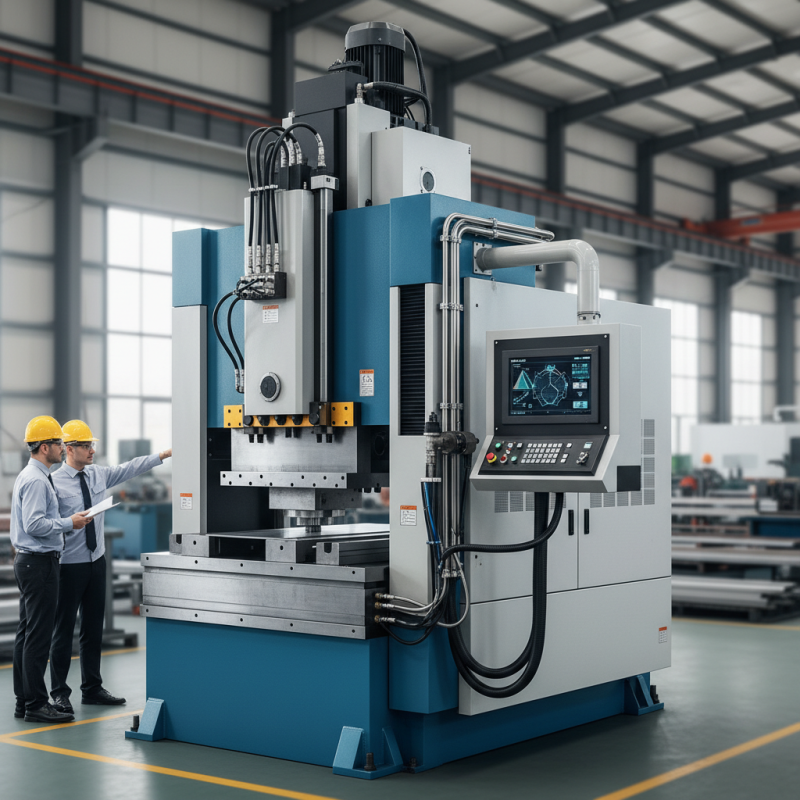
Choosing the right Cnc Hydraulic Press can significantly impact your production efficiency. A CNC hydraulic press is a powerful tool used in various industries for metal forming, bending, and punching. However, the decision-making process can be complex.
Various factors come into play when selecting the best machine. You need to consider the specifications such as tonnage, bed size, and control system. While many options exist, not all will meet your unique requirements. It's essential to reflect on your specific applications and understand the limitations of each model.
Gaining insight from industry experts can help you make a more informed decision. Evaluating your workflow and production goals can shape your choice. Ultimately, the right CNC hydraulic press should enhance your operations but requires careful consideration.
Understanding CNC Hydraulic Press and Its Applications
CNC hydraulic presses play a vital role in various industries, including manufacturing and automotive sectors. These machines can exert a significant amount of force, often exceeding 1,000 tons. This capability allows for precise shaping, bending, and forming of materials like metal and plastics. According to a recent industry report, the global market for CNC hydraulic presses is expected to grow at a CAGR of 4.5% through 2027, reflecting their increasing relevance in modern manufacturing.
Understanding the applications of CNC hydraulic presses is essential for making informed choices. From metal stamping to plastic molding, these machines offer versatility across numerous processes. Their adaptability makes them suitable for both small-scale and large-scale production. However, the complexity of these machines can lead to over-engineering, resulting in unnecessary costs. It is crucial to assess your production needs accurately. Employing an overly powerful machine could lead to underutilization and wasted resources.
Efficiency and energy consumption are also significant factors. Some CNC hydraulic presses have energy-saving features, reducing operational costs. Using data from industry studies, it's been shown that optimized hydraulic systems can decrease energy consumption by up to 30%. This aspect should be weighed against the initial investment when choosing a CNC hydraulic press. Careful deliberation can lead to better selection and potential long-term savings.
How to Choose the Best CNC Hydraulic Press for Your Needs?
| Model | Max Pressure (tons) | Table Size (mm) | Power (kW) | Application Type | Price Range ($) |
| CNC3000 | 30 | 600 x 400 | 5.5 | Metal Forming | 5,000 - 7,000 |
| CNC5000 | 50 | 800 x 600 | 7.5 | Plastic Molding | 8,000 - 10,000 |
| CNC7000 | 70 | 900 x 800 | 11 | Sheet Metal Bending | 12,000 - 15,000 |
| CNC9000 | 90 | 1200 x 1000 | 15 | Automotive Parts | 15,000 - 20,000 |
Key Factors to Consider When Choosing a CNC Hydraulic Press
Choosing the best CNC hydraulic press for your needs requires careful thought. Consider the press capacity. If you work with heavy materials, ensure the press can handle them. An insufficient capacity may harm your projects. Review the tonnage specifications closely.
Next, think about the stroke length. A longer stroke provides versatility for different jobs. Bear in mind how often you change tasks. If you frequently switch materials, a variable stroke can save time. Look into the speed as well; faster presses boost productivity.
Don’t forget about the control system. Advanced features increase precision and ease of use. Yet, a complex system may require extra training. Assess your team’s skills and comfort level. Lastly, explore safety features. An excellent machine protects operators while maximizing efficiency. Remember, a well-chosen press enhances your capabilities.
Evaluating Different Types and Models of Hydraulic Presses
Choosing the right CNC hydraulic press requires careful evaluation of various types and models. Hydraulic presses vary in size, force capacity, and functionality. Understanding these differences is crucial. For instance, some models focus on small-scale operations, while others excel in high-capacity applications. Knowing the intended use can help narrow down choices.
When assessing different models, consider factors like build quality, available features, and ease of use. Look for machines with robust construction. They often offer better longevity and performance consistency. Features such as programmable controls can enhance precision but might complicate operations for beginners. Balancing complexity with usability is key.
It's also vital to reflect on your specific needs. Not every feature will be necessary for all users. A high-capacity press might be tempting, but will it fit your workspace? Oversizing can lead to efficiency losses. Asking the right questions about workflow and production goals can guide you toward the most suitable option.
Hydraulic Press Types and Their Applications
Assessing Your Budget and Financial Considerations
When considering the purchase of a CNC hydraulic press, budget plays a significant role. It’s crucial to assess all possible costs associated with the machine. This includes not only the initial purchase price but also installation, maintenance, and operational expenses. An effective budget should encompass at least three years of expected usage. Many buyers overlook long-term costs and end up with unexpected expenses.
Evaluating financial considerations can be daunting. Prioritize the features you need versus those that are optional. For instance, some machines come with advanced technology and automation features that may exceed your budget. While these enhancements can improve efficiency, they may not be necessary for your specific tasks. Reflecting on your production volume can guide you in making a more informed decision.
Consider exploring financing options as well. Leasing is an alternative that can help mitigate upfront costs. Yet, leasing often leads to higher total expenses over time. Always weigh the pros and cons of each financial route.
Managing funds wisely will ensure your investment in a CNC hydraulic press aligns well with your operational goals. This careful approach will enhance both productivity and financial stability.
Maintenance and Support: Ensuring Longevity of Your CNC Press
Maintaining your CNC hydraulic press is crucial for its longevity and reliability. Regular maintenance can reduce downtime by up to 30%, as noted in various industry reports. Key tasks include checking the hydraulic fluid levels and ensuring seals are intact. Neglecting these tasks can lead to equipment failure, which often results in costly repairs.
It’s important to train employees on best practices in maintenance. Research indicates that facilities with ongoing training experience 25% less equipment malfunction. This knowledge empowers operators to identify issues early, avoiding extensive damage. Simple actions, like cleaning filters, can significantly enhance performance and extend lifespan.
Support from a knowledgeable service team can make a difference in maintaining these machines. Some reports suggest that having access to expert support can reduce repair time by 45%. However, many users underestimate the importance of this resource. Proactively building a relationship with support teams ensures that advice and assistance are just a call away. Asking for help when needed can prevent avoidable downtime and enhance overall efficiency.