Why Choose Agricultural Bearings for Farm Equipment?

Farm equipment works in dust, mud, vibration, and changing loads. A bearing in a tractor wheel or combine header faces conditions that differ from those in a clean workshop. Seals, lubrication, load capacity, and fit all affect how reliably it turns. The right Agricultural Bearing can help protect moving parts and reduce avoidable downtime. It is a practical choice, not a cure-all.

Agricultural bearings are designed for demanding applications, where soil and moisture may reach exposed components. Their construction and sealing options can help limit contamination, while suitable materials and lubrication support steady operation under repeated stress. In the field, a clogged seal or a rough-running hub can signal trouble before a full breakdown. Small details matter. But choosing a bearing by label alone is not enough. Equipment model, shaft dimensions, operating speed, load direction, and service conditions should guide selection. A bearing that fits physically may still be unsuitable for the actual load.

This article explores why agricultural bearings are used in farm equipment and what to consider when selecting them. It also looks at maintenance, since inspection and correct lubrication can extend service life. Real conditions vary, and even a well-chosen component can wear sooner than expected. That is worth remembering. Checking manufacturer specifications and keeping clear maintenance records can support safer, more reliable decisions over time.
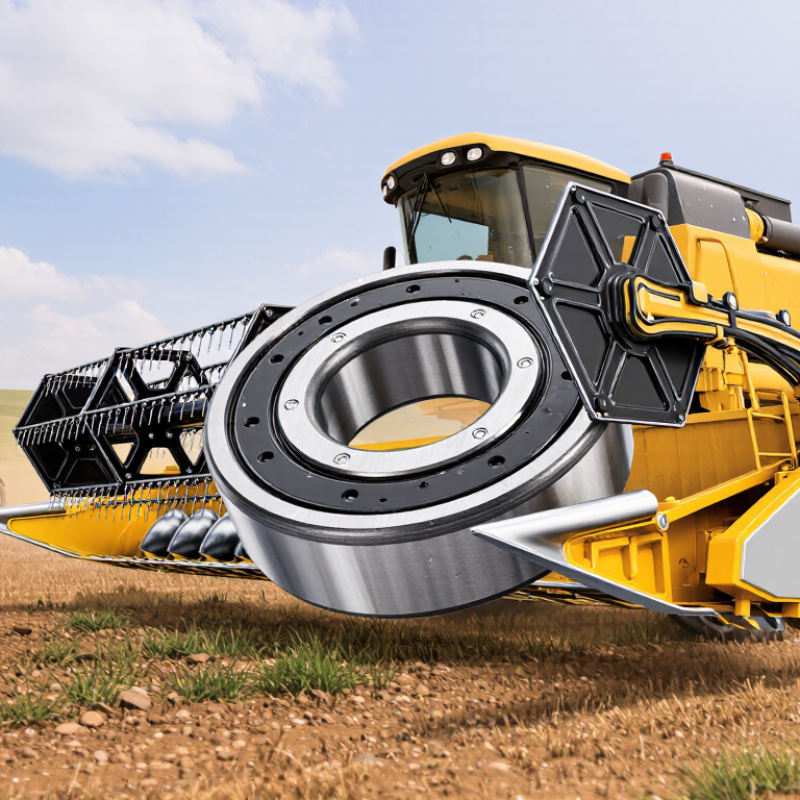
Why Choose Agricultural Bearings for Farm Equipment?

What Agricultural Bearings Do in Farm Equipment

Agricultural bearings support rotating and moving parts in farm equipment. They reduce friction between components and help shafts turn smoothly under load. They also keep parts aligned, limiting unwanted movement that can accelerate wear. The fit matters. On a planter, bearings help opener wheels rotate as they cut narrow channels through soil. On a combine, they support rollers and shafts working amid vibration, chaff, and long hours.

Farm conditions are demanding. Dust can work past a damaged seal, while water and fertilizer residue may encourage corrosion. Bearings must handle loads from different directions, depending on their position and design. A worn bearing may run hot, make a rough rumble, or develop excess play. Small clues. Yet noise alone does not confirm the cause; a loose mount or damaged shaft can sound similar.

Choosing a bearing means matching its type, size, load rating, speed, and sealing to the equipment and working conditions. Installation matters too: forcing a bearing onto a shaft can damage its surfaces before work begins. Regular checks for heat, noise, looseness, and seal damage can help catch problems early. Still, a clean housing does not prove the bearing is healthy, so inspection should include how the part runs under load.

How Farm Conditions Affect Bearing Performance

Farm equipment bearings face dust, moisture, shock loads, and long idle periods. Fine soil can enter through worn seals, mix with grease, and abrade rolling surfaces. Mud and wash water encourage corrosion, especially around seals and exposed housings. A dry harvest field and a wet spring field create very different risks.

ISO 281:2007 defines basic rating life using 90% reliability under specified conditions. That figure is not a field-life promise. ISO 15243:2017 groups bearing damage into six main categories, including wear, corrosion, and fatigue. These categories help technicians connect symptoms with likely causes, but they cannot replace inspection. Pitting may indicate fatigue; rough, discolored surfaces may point to contamination or lubrication trouble.

Small details matter. Check for grease that looks milky, seals packed with chaff, or unusual heat after a long day. Keep lubricant clean, follow the equipment maker’s service intervals, and inspect after pressure washing. Still, this is an imperfect shortcut: a quiet bearing may already be damaged, while harmless dirt nearby can look alarming. Field notes on operating hours, load, and weather make diagnosis more useful.

Key Benefits of Agricultural Bearings in the Field

Why Choose Agricultural Bearings for Farm Equipment?

Key Benefits of Agricultural Bearings in the Field

Farm bearings face dust, water, vibration, shock loads, and long operating hours. Properly selected sealed bearings help keep contaminants away from rolling surfaces and retain lubricant. That can reduce wear and unplanned stops during planting or harvest. The scale matters: USDA NASS reported about 1.9 million U.S. farms operating roughly 880 million acres in its 2022 Census of Agriculture. A small failure can disrupt work across a large field. Still, a seal cannot compensate for poor fit or neglected lubrication.

Correct load capacity and alignment also matter. ISO 281:2007 provides a method for calculating bearing rating life from load and operating conditions; it is a useful design reference, not a guarantee of service life in muddy, uneven field work. Choose for the actual shaft, speed, load, and exposure. Check for heat, noise, looseness, and damaged seals during routine inspections. A bearing may appear sound, yet contamination can already be inside.

Tips: Clean the housing before installation. Use the specified lubricant and avoid overfilling. After washing equipment, inspect seals and housings for trapped water. Record recurring failures; the cause may be misalignment, not the bearing itself.

Why Choose Agricultural Bearings for Farm Equipment? – Key Benefits of Agricultural Bearings in the Field

Field Challenge Relevant Bearing Feature Practical Benefit Common Equipment Examples Important Consideration
Dust, soil, and crop residue Sealed bearing units and effective external sealing Help limit the entry of abrasive contaminants, which can contribute to wear and premature failure. Planters, balers, harvesters, and tillage equipment Inspect seals regularly; damaged seals can no longer provide their intended protection.
Rain, washdown, and muddy conditions Corrosion-resistant materials or protective coatings, combined with suitable seals Help reduce corrosion risk when equipment is exposed to moisture and wet field conditions. Sprayers, manure spreaders, and harvesting machinery Material and coating suitability depends on the operating environment and cleaning chemicals used.
Shock loads and changing operating forces Bearing type and arrangement selected for the load direction and severity Can support reliable rotation when components experience variable radial, axial, or combined loads. Wheel hubs, disc harrows, and baler mechanisms Correct sizing, mounting, and load limits are essential; a bearing cannot compensate for a misaligned or overloaded assembly.
Long working hours during seasonal peaks Application-matched bearing construction and lubrication Helps support dependable operation and can reduce unplanned stoppages when maintained as specified. Combines, forage harvesters, and grain-handling equipment Service life varies with load, speed, contamination, installation, lubrication, and maintenance.
Vibration and rotating equipment Accurate fit, correct internal clearance, and proper installation Can help maintain smooth rotation and reduce excess heat or vibration caused by an unsuitable fit. Fans, conveyors, and rotary implements Follow the equipment manufacturer’s mounting and adjustment instructions; avoid impact during installation.
Limited time for routine servicing Sealed or pre-lubricated bearing units where appropriate May reduce routine relubrication requirements compared with serviceable designs. Idler rollers, gauge wheels, and selected implement hubs “Sealed” does not mean maintenance-free for every application; check the specified inspection and replacement schedule.
Field repairs and replacement needs Standardized dimensions and application-compatible bearing units Can make identification and replacement more straightforward when the correct specification is available. Seed drills, mower-conditioners, and general farm implements Confirm dimensions, load rating, sealing arrangement, and shaft or housing fit before installation.

Selection note: Agricultural bearings are not one universal type. Choose a bearing for the equipment’s actual loads, speed, exposure, mounting arrangement, and maintenance requirements.

How to Choose Bearings for Specific Farm Machines

Why Choose Agricultural Bearings for Farm Equipment?

Choosing bearings for specific farm machines begins with their working conditions, not just shaft size. A tractor wheel hub carries changing radial and axial loads, while a mower spindle faces high speed, vibration, and grass debris. A combine conveyor may encounter fine dust and moisture. Match the bearing type and internal clearance to the load, speed, temperature, and expected shaft movement. Seals matter too: a suitable seal helps keep grit out, but excessive friction can raise operating temperature.

Tips: Check the machine manual for dimensions and fit. Inspect old bearings for heat discoloration, pitting, or uneven wear. These clues can point to overload, poor lubrication, or misalignment.

Ask how long a bearing must last between planned services. ISO 281:2007 uses basic rating life, L10. It represents the life reached by 90% of identical bearings under stated conditions. This is a calculation, not a guarantee: field dust, shock loads, and lubrication quality can shorten actual service life. A bearing selected only by diameter may fit, yet fail early. I would verify the load rating and sealing arrangement against the real machine environment, then recheck after the first operating season.

Care Practices That Extend Bearing Service Life

Farm bearings face dust, water, vibration, and long days under changing loads. Care starts before the machine moves.

Wipe grease fittings clean, use the lubricant and interval specified for the bearing, and keep containers sealed. A gritty fitting can carry dirt straight inside. More grease is not always better; excess can raise heat and damage seals. Keep it clean. Keep it dry.

After wet work, inspect seals for cuts and check for unusual heat, noise, or looseness. A quick hand check during routine service can catch changes before a bearing fails in the field. Avoid directing high-pressure water at seals. It is easy to blame the bearing. Sometimes a cracked seal, misalignment, or muddy grease tool is the real cause.

The U.S. Department of Energy’s Operations & Maintenance Best Practices guide reports predictive maintenance savings of 8–12% over preventive maintenance and 30–40% over reactive maintenance. These are broad industrial benchmarks, not farm-bearing guarantees, but they support regular condition checks.

Record grease dates and recurring symptoms; a simple log is better than relying on memory, which is not always reliable.

Request a Quote

For more information on our instruments, consumables, or services, or to request a quote, complete the contact form below, and one of our associates will reach out to you!

Request a Service Quote

To request service on your machine(s), complete the contact form below, and one of our associates will reach out to you!

Browse by:

  • Test Property
  • Manufacturer