Why Choose a Hot Stamping Plate for Packaging?

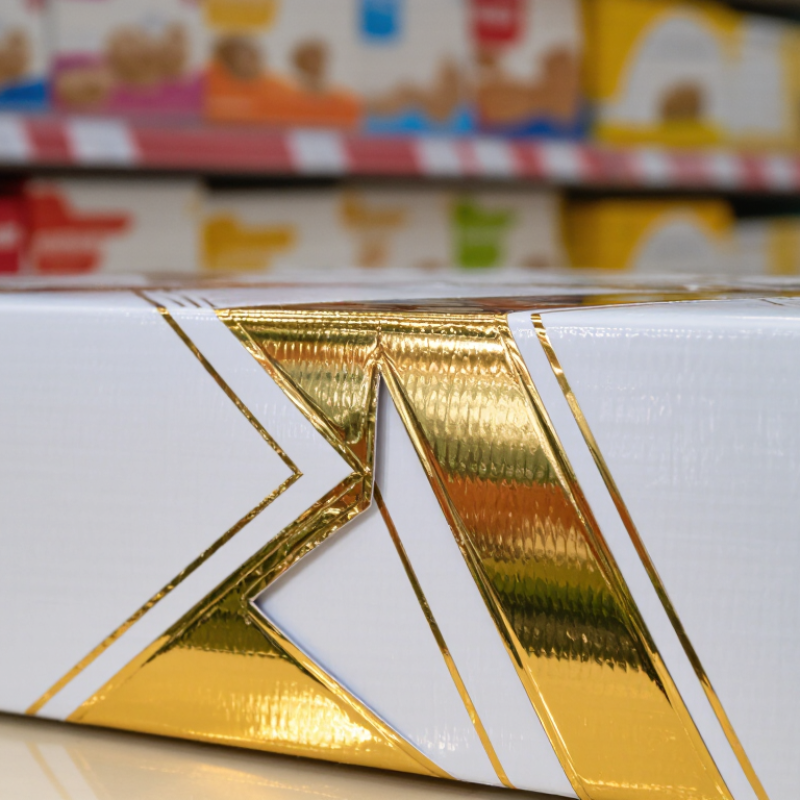
Packaging does more than protect a product; it also shapes what customers notice on a crowded shelf. A Hot Stamping Plate transfers foil to selected packaging areas, creating crisp logos, borders, or decorative marks. On a folding carton, that detail may catch light across a store aisle. Small details matter. The result depends on more than the plate itself. Paper coating, foil type, artwork, heat, pressure, and dwell time all influence transfer quality. When these factors are balanced, edges look clean and coverage stays consistent. When they are not, fine lines can break, foil may wrinkle, or an impression can look uneven. These are practical issues, not just visual preferences.

For packaging teams, choosing a plate means matching its construction and engraving to the job, press, and expected run length. A supplier should clarify material, line detail, plate thickness, and setup requirements rather than promise a perfect finish. A short press test on the actual board is often more useful than a sample on unrelated stock. Look closely at registration, foil adhesion, and details under ordinary lighting. There is a trade-off. A bold foil area can look premium, but it can also overpower restrained design or expose small alignment shifts. More shine does not always mean better packaging. The right Hot Stamping Plate supports a deliberate finish while keeping production repeatable. Still, results deserve checking. Reviewing a real sample before a full run helps teams spot problems early and make informed adjustments.
Why Choose a Hot Stamping Plate for Packaging?

What Is a Hot Stamping Plate for Packaging?

A hot stamping plate is a shaped metal tool that transfers metallic or pigmented foil onto packaging. It is also called a die. The plate is heated, then pressed against foil and a surface such as paperboard, coated paper, or a label. Heat and pressure release the foil’s decorative layer, leaving a crisp design. The plate may be engraved or etched, depending on the material and detail required.

Plate material, engraving depth, temperature, pressure, and dwell time all affect the result. Brass plates can hold fine details and suit longer production runs; other metals may fit simpler jobs or shorter runs. Setup still matters. A tiny change in pressure can make lettering look uneven, especially on textured board.

Grand View Research valued the global packaging market at about USD 1.1 trillion in 2023 and forecast 3.9% annual growth through 2030. That broad market figure does not measure hot stamping, but it shows the scale of packaging demand. A reflective finish can help a small area stand out, though it cannot fix weak design.

Tips: Ask for a press trial using the actual packaging stock. Check thin lines, small type, and foil adhesion under normal lighting. Some flaws only appear after folding. That is worth checking.

How Is a Hot Stamping Plate Made?

A hot stamping plate begins with the artwork, but the smallest details can decide whether the finished mark looks crisp or muddy. A specialist prepares the image, checks line thickness and spacing, then transfers it to a plate material such as magnesium, copper, or brass. The choice depends on run length, detail, and substrate. The plate is usually engraved by CNC or formed through controlled etching; its raised image carries heat and pressure to the foil. Edges matter. A rough edge can leave a broken line on coated paperboard.

After machining, the plate is cleaned and inspected for depth, flatness, and burrs. It is mounted in the press, heated, and tested on the actual packaging stock. Operators adjust temperature, pressure, and dwell time until foil releases cleanly without crushing the board. Small changes count. There is no universal setting. Smithers’ report The Future of Packaging Print to 2028 estimated the global packaging print market at $431.6 billion in 2022, with growth projected through 2028. That scale makes repeatable tooling valuable, but a test impression still matters more than a market forecast. Even experienced teams sometimes miss a substrate’s coating behavior on the first pass. A useful plate is precise, yet the process needs judgment.

How Does Hot Stamping Work on Packaging?

Why Choose a Hot Stamping Plate for Packaging?

How Does Hot Stamping Work on Packaging?

Hot stamping transfers a decorative foil onto packaging with heat, pressure, and a precisely engraved plate. The plate presses heated foil against the surface, activating its release and adhesive layers. Once lifted, the carrier film leaves a crisp metallic or pigmented image behind. On a carton, that might be a fine gold border or a raised-feeling logo. It is not ink, and it will not hide every surface flaw. Paper texture, coating, plate depth, temperature, pressure, and dwell time all affect the result. Small adjustments matter.

Smithers’ The Future of Global Packaging to 2028 valued the global packaging market at about US$1.05 trillion in 2023. That figure shows the scale of packaging, not demand for hot stamping specifically. For converters, a plate can reproduce a consistent design across a production run, but setup and material choices still require testing. A heavily textured stock may give uneven transfer; overly high pressure can flatten details. The finish looks premium, yet the process is not automatically the right choice for every package.

Tips: Ask for a press proof on your actual board. Check fine lines, foil coverage, and adhesion after handling. Keep the artwork clean; tiny details can disappear. Then review the result under the lighting where customers will see it.

What Benefits Does a Hot Stamping Plate Provide?

Why Choose a Hot Stamping Plate for Packaging?
What Benefits Does a Hot Stamping Plate Provide?

A hot stamping plate transfers foil onto selected areas of packaging, creating crisp metallic details, fine borders, and tactile contrast. On a folding carton, a small foil mark can catch the light as the box turns, helping a product name stand out on a crowded shelf. The process can also produce consistent impressions across a run when pressure, temperature, and dwell time are controlled. Small setup errors show.

Packaging appeal matters, though it does not guarantee a sale. WestRock’s 2018 Packaging Matters study reported that 81% of surveyed consumers had tried a new product because its packaging caught their eye. This supports investing in visible finishing, but it does not prove foil alone changes purchasing behavior. Hot stamping works best when it clarifies a design rather than overwhelms it; large foil areas can lose detail or feel excessive.

Tips: Request a sample on the actual carton stock. Check fine lettering, foil adhesion, and alignment under store lighting. Leave clear space around stamped areas. Board thickness or artwork changes may require plate adjustments, so confirm tolerances before approving a full run.

Why Choose a Hot Stamping Plate for Packaging?

Key packaging benefits enabled by hot stamping

Hot stamping can add distinctive foil finishes and precise decorative details without a liquid-ink drying step. It can also be combined with embossing for added relief. These are general process capabilities, not performance guarantees; results depend on the foil, substrate, tooling, and machine setup.

Which Packaging Materials and Designs Use Hot Stamping?

Hot stamping suits folding cartons, paperboard sleeves, labels, and rigid paper boxes. A heated die presses metallic or pigmented foil onto the surface, creating a crisp, reflective detail. Smooth, coated stocks usually show fine lines more clearly than rough, uncoated paper. Texture matters. On recycled board, small fibers can interrupt coverage, so a sample run is worth the time.

Some packaging uses compatible plastics, such as selected films or molded components, but results depend on the material and its finish. A foil that bonds well to coated paper may not adhere to a plastic surface. Ask the converter to test the exact stock, coating, and foil together. Heat and pressure need adjustment, too. Too little pressure can leave gaps; too much may distort thin material.

Designs often reserve stamping for logos, product names, borders, or small decorative marks. Fine lettering and narrow rules can look elegant, though tiny details may fill in or lose definition. Keep stamped areas away from folds, rough seams, and heavy texture when possible. A restrained accent can catch light on a shelf without covering the package. I would still check the finished sample under ordinary store lighting; a design that shines beautifully on screen can feel unexpectedly busy in hand.

Why Choose a Hot Stamping Plate for Packaging? Which Packaging Materials and Designs Use Hot Stamping?

Packaging Material Common Applications Designs That Suit Hot Stamping Practical Suitability Key Considerations
Coated paper and paperboard Folding cartons, gift boxes, cosmetic boxes, greeting cards, and premium labels Logos, fine lettering, borders, decorative lines, and small metallic accents Often well suited because a smooth, stable surface can support crisp foil transfer. Very fine details and large solid areas may need different die, foil, pressure, or temperature settings. Test on the finished stock.
Uncoated paper and textured paper Paper bags, specialty cartons, stationery packaging, and textured product labels Bold lettering, simple symbols, and designs that complement the paper texture Can be used, but transfer quality may be less uniform than on smooth coated stock. Porous or deeply textured surfaces can reduce foil adhesion or create incomplete coverage; proofing is recommended.
Rigid paperboard Set-up boxes, presentation boxes, book-style boxes, and premium gift packaging Centered marks, framed panels, decorative crests, and restrained metallic details Suitable when the surface covering is smooth and the board remains flat during stamping. Box construction, panel flatness, and access for the stamping die affect placement and consistency.
Pressure-sensitive label stock Product labels, seals, wine and beverage labels, and promotional stickers Small logos, borders, highlights, and short text elements Can work with compatible face stock, adhesive, and foil combinations. Confirm compatibility with the label material and finishing sequence; stamping can affect delicate stocks or adhesives.
Suitable plastic films and sheets Selected cosmetic packaging, synthetic labels, and certain flexible or rigid packaging components Simple graphics, short text, and accent areas on a smooth surface Possible with materials and foils designed for the specific substrate. Plastic types vary in heat resistance and surface energy. Check for distortion, adhesion, and scuff resistance using production samples.
Leatherette and coated book-cover materials Presentation cases, premium folders, and specialty packaging covers Monograms, small emblems, and defined lettering Often used when the material has a compatible finish and tolerates the stamping conditions. Surface coatings differ; test the exact material to verify transfer quality and avoid surface damage.
Design and production factors Packaging across multiple materials and formats Metallic or pigmented foil accents used alongside printed artwork A stamping plate applies heat and pressure to transfer foil in the areas defined by the plate. Allow suitable spacing around fine details, confirm artwork and plate tolerances, and test registration, adhesion, and durability on the final packaging material.

Note: Hot stamping performance depends on the specific substrate, surface coating, foil, plate, and machine settings. Always approve a production-representative sample before a full packaging run.

Request a Quote

For more information on our instruments, consumables, or services, or to request a quote, complete the contact form below, and one of our associates will reach out to you!

Request a Service Quote

To request service on your machine(s), complete the contact form below, and one of our associates will reach out to you!

Browse by:

  • Test Property
  • Manufacturer