How to Choose the Best UV Ink for Your Printing Needs?
Choosing the right Uv Ink can significantly impact your printing outcomes. The UV ink market has experienced steady growth, with a projected value of approximately $4.7 billion by 2026, according to a report by Smithers Pira. This rising demand emphasizes the importance of understanding the various types of UV inks available in the market.
Industry expert Dr. Emily Washington states, "Selecting the proper UV ink is crucial for achieving desired print quality and durability." Her insights remind us that not all UV inks are created equal. Factors such as substrate compatibility and curing method are vital considerations. Ink formulations vary widely, and the right choice can lead to improved color vibrancy, adhesion, and overall performance.
In the fast-evolving printing landscape, brands must adapt to consumer demands for sustainability and efficiency. While UV inks present advantages, such as quick drying times and reduced waste, some users may overlook potential drawbacks. Understanding these nuances can lead to more informed decisions and better printing outcomes. Making the right choice in UV ink requires careful evaluation and research.
Understanding UV Ink: Characteristics and Properties
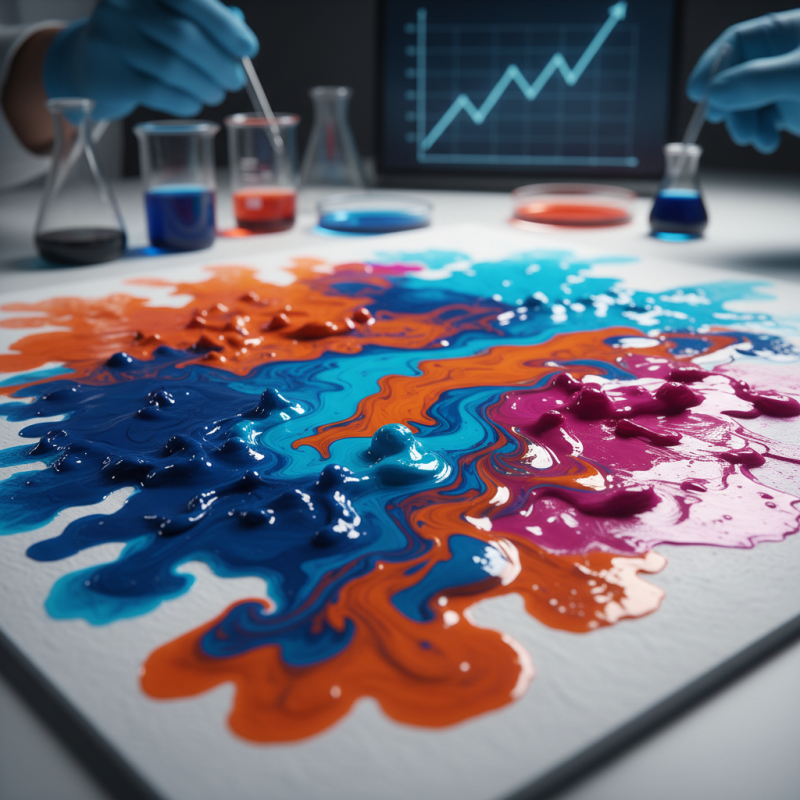
When selecting UV ink, understanding its characteristics and properties is essential. UV ink is known for its quick-drying capabilities and brilliant colors. It contains photoinitiators that cause rapid polymerization when exposed to UV light. This process leads to minimal film formation, resulting in crisp images and vibrant prints on various substrates.
Consider the viscosity of UV ink. This influences how well it flows and spreads on the printing surface. High viscosity inks work well for thicker applications, while lower viscosity inks are suitable for fine details. Testing inks on your specific substrate can reveal surprising outcomes. Remember, not every UV ink will perform the same across different materials.
Tips: Always check the ink's adhesion properties on your chosen substrate. This ensures lasting quality. Keep an eye on the curing process, as under-cured prints can lead to smudging and fading. Lastly, consult with experienced printers when exploring new UV ink options to avoid costly mistakes, and learn from others' choices.
Types of UV Inks: Choosing the Right Type for Your Application
Choosing the right type of UV ink is essential for any printing project. Various UV inks exist, each tailored for specific applications. For instance, there are ink types designed for flexible substrates and others suitable for rigid materials. Understanding your material’s properties is necessary. It impacts adhesion and print quality.
Consider the curing process. Some inks require more intense UV light than others. This factor may affect your equipment choice. Additionally, the color range and opacity of the ink can vary widely. Assess the visual standards needed for your project. Specific applications may demand high-opacity inks for vibrant colors.
In some cases, balancing cost and quality can be challenging. Experimental testing might reveal unexpected results. Be open to adjusting your selections. Remember, what works for one project might not be suitable for another. Collaborating with experienced professionals can also lead to better decisions. Their insights may identify potential issues unforeseen during the selection process.
How to Choose the Best UV Ink for Your Printing Needs?
| Ink Type | Recommended Application | Key Features | Advantages | Limitations |
| Standard UV Ink | Paper and Cardboard Printing | Fast curing time, vibrant colors | High-quality prints, excellent gloss | Less effective on non-porous substrates |
| Flexo UV Ink | Flexible Packaging | Good adhesion on flexible materials | Suitable for high-speed production | Color consistency may vary |
| LED UV Ink | Commercial Printing, High-End Applications | Low energy consumption, cool curing | Environmentally friendly, less heat damage | Higher initial cost |
| White UV Ink | Specialty Printing, Packaging, Labels | Opaqueness, bright white finish | Excellent base layer for other colors | Can require careful handling |
| Hybrid UV Ink | Digital Printing, Various Substrates | Versatility across different types of media | Wide application range, good drying speed | Inconsistent performance in some circumstances |
Factors to Consider When Selecting UV Ink for Printing
When selecting UV ink for your printing project, several factors must be considered. The formulation of the ink can impact adhesion and durability. For instance, some inks may not adhere well to glossy surfaces, leading to fading or smudging. Assessing your substrate is essential. Different materials may require specific ink types to achieve the best results.
Tips for selecting UV ink include understanding your printer's specifications. Compatibility with your equipment is crucial to prevent clogs and malfunction. Testing various ink types on sample materials can reveal unexpected issues. Don’t hesitate to experiment, but document the outcomes for future reference.
Another factor is the color vibrancy and opacity of the ink. Some inks may appear dull or semi-transparent on certain surfaces. This unpredictability can affect your final output. Consider the environment in which the printed material will be displayed. UV exposure can lead to fading if the ink is not formulated for outdoor use. Always prioritize quality to enhance your printing's longevity and appeal.
Evaluating UV Ink Performance: Drying Speed and Adhesion
When evaluating UV ink performance, two critical factors come into play: drying speed and adhesion. Drying speed directly affects workflow efficiency. If the ink takes too long to dry, it delays the entire printing process. Fast-drying inks can enhance productivity, but aren’t always ideal. Sometimes, a slower drying time can result in better color vibrancy and finish quality. This is especially important for intricate designs.
Adhesion is another vital aspect. Good adhesion ensures that the ink adheres well to various substrates. Poor adhesion can lead to smudging and flaking, compromising the final product's appearance. Testing ink on specific materials before full production can prevent issues. However, achieving perfect adhesion is not guaranteed. Factors like surface texture and environmental conditions can influence results. Monitoring these variables is essential for reliable outcomes. Effective evaluation of both properties is crucial for making informed choices about UV ink.
Cost vs. Quality: Finding the Best Value in UV Ink Choices
When selecting UV ink, cost and quality are key factors to consider. Industry reports indicate that the average price of UV inks ranges from $20 to $100 per liter, depending on the formulation and application. Buy cheaper UV ink, and you might face adhesion issues and color inconsistencies. On the flip side, premium options, while better for quality, can significantly impact your budget.
Try to strike a balance between cost and performance. Data from the Printing Industries of America highlights that a small 10% price difference can lead to a 25% increase in print quality. This is crucial for businesses aiming to improve customer satisfaction. Look for inks with efficient curing times, as faster curing can enhance overall productivity.
Tips: Always request samples before making a bulk purchase. This way, you can test the ink on your substrates. Analyze drying times under different environmental conditions. Also, consult with suppliers to understand the long-term performance versus the initial cost. Such insights could lead to better decisions without overspending or sacrificing quality.