How to Choose the Right Electric Circuit Breaker for Your Needs?
Choosing the right Electric Circuit Breaker is crucial for safety and efficiency. According to John Smith, an expert in electrical engineering, “Selecting the right breaker can prevent costly failures and improve reliability.” His experience highlights the importance of understanding specific needs before making a decision.
Electric Circuit Breakers serve as vital components in electrical systems. They protect circuits from overloads and short circuits. Without the right selection, users may face frequent interruptions or worse, equipment damage. Many consumers overlook the technical specifications and ratings of breakers. This oversight can lead to inadequate protection or unnecessary expenses.
In a world where energy demands are rising, knowing what to look for is essential. Each application might require different features, such as trip ratings and mounting options. It is easy to feel overwhelmed by choices. Taking time to evaluate needs helps ensure a well-informed decision. A poor choice in an Electric Circuit Breaker not only affects safety but can also be costly. Balancing efficiency with safety is a challenge worth tackling.
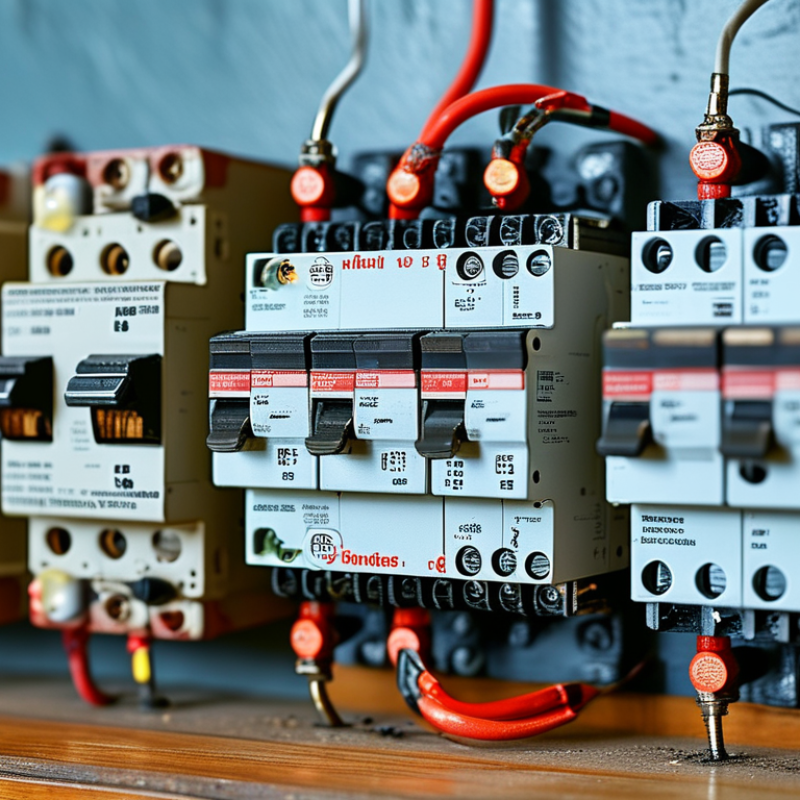
Understanding Electric Circuit Breakers: Types and Functions
Electrical circuit breakers are vital components in any electrical system. They serve to protect circuits from overloads and short circuits. Understanding their types and functions can help you choose the right breaker for your needs.
There are several types of circuit breakers. The most common are thermal breakers, magnetic breakers, and residual current devices (RCDs). Thermal breakers respond to heat and protect against overloads. Magnetic breakers react to high currents, stopping electricity flow immediately. RCDs, on the other hand, detect current imbalances and prevent electrocution. Each type serves a unique purpose, making selection crucial.
Choosing the right breaker requires understanding your electrical demands. Consider the total load your circuit will handle. This includes all devices plugged in. An underestimated breaker could lead to frequent trips, disrupting your daily activities. Conversely, an oversized breaker may not offer adequate protection, which could be risky. Reflect on your environment and devices before deciding. Tailoring your choice to your specific needs promotes safety and efficiency.
How to Choose the Right Electric Circuit Breaker for Your Needs?
| Type | Function | Current Rating (A) | Voltage Rating (V) | Typical Applications |
| Miniature Circuit Breaker (MCB) | Protects against overload and short circuit | 1-63 A | 230-400 V | Lighting circuits, small appliances |
| Residual Current Circuit Breaker (RCCB) | Protects against earth faults | 30-300 mA | 230-400 V | Wet areas like bathrooms and kitchens |
| Earth Leakage Circuit Breaker (ELCB) | Detects and prevents earth leakage | 15-300 mA | 230 V | Protection for sensitive electrical equipment |
| Circuit Breaker with Overload Protection | Protects against overloads | 16-100 A | 230 V | Motors, transformers |
| Smart Circuit Breakers | Remote control and monitoring | 20-125 A | 120-480 V | Home automation systems |
Identifying Your Power Needs: Calculating Load Requirements
When choosing an electric circuit breaker, calculating load requirements is crucial. Understanding how much power you need can prevent overloads and enhance safety. Many homes and businesses rely on standard rules for estimating power consumption. For example, the National Electrical Code suggests that a general-purpose circuit should have a maximum load of 80% of its rated capacity.
To begin the calculation, list all devices and appliances you plan to use. Each device has a wattage rating; you can find this on the product label. A basic home might require approximately 3,000 to 4,000 watts for lighting, outlets, and essential appliances. If you plan to run larger devices, such as air conditioning units or electric heaters, these could demand between 1,500 to 5,000 watts alone.
Make sure to account for simultaneous usage. This is where calculations can become tricky. For example, running a high-wattage appliance while using multiple other devices can easily exceed your breaker’s capacity. Experts recommend adding a cushion to your estimates. This step will ensure your circuit breakers function within safe limits. Finally, consult with a qualified electrician to refine your calculations and choose a breaker that aligns with your needs.
How to Choose the Right Electric Circuit Breaker for Your Needs?
Key Features to Consider When Choosing a Circuit Breaker
When choosing an electric circuit breaker, several key features should guide your decision. One important factor is the breaker's amperage rating. Consider your electrical system's total load to ensure the breaker can handle peak usage. It’s crucial to match the rating with your needs. Choosing too low a rating risks nuisance trips. Conversely, a breaker rated too high may not adequately protect your circuit.
Another essential feature is the trip mechanism. There are thermal and magnetic types, each serving different applications. Thermal breakers detect excess heat while magnetic breakers respond to short circuits. Understanding these differences helps you select the right type for your environment. Additionally, consider the size and compatibility with existing installations. A breaker that does not fit your panel or system specifications will lead to installation headaches.
Don’t overlook the importance of reliability. A circuit breaker needs to function correctly in emergencies. Check for certifications to ensure safety and performance. Even with proper selection, circuit breakers can wear out. Regular maintenance checks keep them dependable. While it might feel overwhelming, taking the time to evaluate these features will lead to better long-term protection for your electrical system.
Safety Standards and Certifications for Electric Circuit Breakers
When selecting an electric circuit breaker, understanding safety standards and certifications is vital. These standards ensure that the breakers can handle specific loads and protect against electrical faults. Common certifications include UL (Underwriters Laboratories) and IEC (International Electrotechnical Commission). These certifications indicate that a product has undergone rigorous testing. A certified breaker meets safety requirements and is more reliable.
Different applications may require various safety standards. For instance, residential breakers have different specifications than those used in industrial settings. It’s essential to choose a breaker appropriate for your electrical system's demands. Failure to do so may lead to inadequate protection. Sometimes, even certified products may not perform well if misused. Evaluating the installation environment can help prevent such issues.
Consideration of environmental factors is equally important. Humidity, temperature, and exposure to dust can affect a breaker’s performance. Always consult professionals about your specific needs. Their insights can reveal potential risks that may not be obvious at first glance. Remember, safety should always be a priority when dealing with electricity.
Installation and Maintenance Tips for Circuit Breakers
When dealing with circuit breakers, proper installation and maintenance are crucial for safety. First, always ensure that your breaker is suited for the electrical load it will handle. Overloading can lead to failures, making it essential to calculate your power requirements accurately.
Installation should be done with care. Make sure to shut off the main power before beginning. This minimizes the risk of electric shock. Use insulated tools to avoid accidental contact with live wires. A common mistake is not securing the breaker properly. Loose connections can lead to arcing and equipment damage.
Regular maintenance is key for longevity. Inspect your circuit breakers at least once a year. Look for any signs of wear or corrosion. It’s important to test your breakers frequently. Simply flipping them on and off can help identify issues. Don’t ignore the sounds of buzzing or clicking. These may indicate underlying problems that need professional attention.