How to Choose the Best Hybrid Vtol Drone for Your Needs?
Choosing the right Hybrid Vtol Drone can feel overwhelming. The market is flooded with options, each claiming to be the best. When selecting a drone, consider your specific needs. Your choice will depend heavily on factors like payload capacity, battery life, and range.
Hybrid VTOL drones blend the benefits of traditional and drone technology. They offer vertical takeoff and landing along with long-range capabilities. These features are crucial for various applications, including surveying and delivery services. However, not all models perform equally. Some may excel in flight stability, while others may falter in harsh conditions.
Understanding your use case is vital. Are you a hobbyist or a professional? Evaluate your priorities carefully. Look for user reviews that reflect genuine experiences. This research adds credibility to your decision-making process. Making an informed choice can save you time and money in the long run. A thoughtful approach ensures that the Hybrid VTOL drone you select will suit your requirements.
Understanding Hybrid VTOL Drones: Features and Benefits
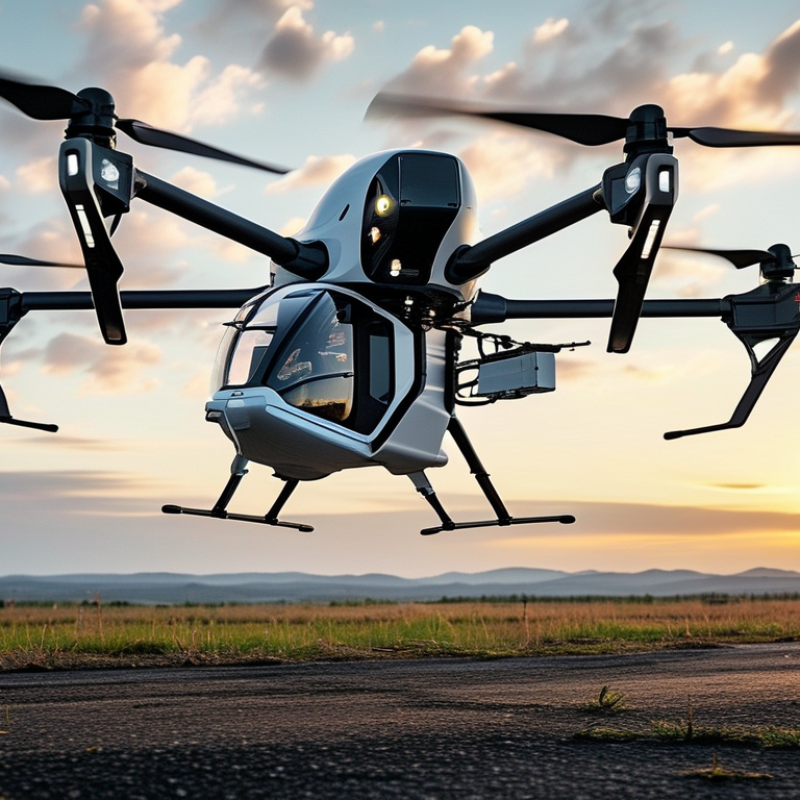
Hybrid VTOL (Vertical Take-Off and Landing) drones combine the advantages of conventional aircraft with those of multirotors. These drones can take off and land vertically, making them suitable for various applications. According to a report by Drone Industry Insights, the hybrid VTOL drone market is expected to grow significantly, reaching a valuation of over $500 million by 2025.
One of the prominent features of hybrid VTOL drones is their long endurance. By utilizing both rotor and fixed-wing capabilities, they can stay aloft for extended periods. Many models can fly for over two hours and cover larger distances than traditional multirotors. This characteristic makes them ideal for tasks such as surveying or search and rescue missions. However, not all drones perform equally. Performance can vary widely based on design and purpose.
Another benefit is their versatility. Hybrid VTOL drones can carry different payloads, which allows them to adapt to various missions. However, potential buyers should consider the complexity of operation and maintenance. Some users may find the learning curve steep, which could hinder efficiency. Understanding the specific tasks will guide users in selecting a drone that meets their needs effectively. It’s essential to evaluate both features and limitations when making a decision.
Key Factors to Consider When Choosing a Hybrid VTOL Drone
Choosing the right hybrid VTOL drone can be complex. A key factor to consider is flight time. Most drones in this category offer 30 to 60 minutes of flight. This varies significantly based on payload and environmental conditions. Some studies indicate that increased payload reduces flight endurance by up to 20%. Hence, understanding your mission requirements is crucial.
Payload capacity is another important consideration. Drones can carry sensors, cameras, or delivery packages. For instance, a drone designed for surveying may need to carry heavier sensors, while those for package delivery can be lighter. Research from industry sources shows that drones with a higher payload capacity often have compromised flight efficiency. Balancing these aspects will define your choice.
Range and speed will influence your decision too. A drone capable of traveling over 10 kilometers can meet many operational needs. However, speed might drop significantly with higher loads. According to expert analyses, drones exceeding 20 km/h face challenges in balancing speed with stability when carrying heavier items. Always assess your specific use case to find the right balance.
Assessing Payload Capacity and Flight Range for Your Purpose
When selecting a hybrid VTOL drone, understanding payload capacity and flight range is crucial. Different applications require different configurations. A drone carrying light sensors may need less payload capacity than one designed for agricultural spraying. Knowing how much weight the drone can handle helps prevent overloading, which can impair performance and safety.
Flight range is equally important. A drone designed for long-distance surveying demands a greater range than one used for local inspections. Consider the terrain and potential obstacles. The presence of tall buildings or mountains can limit effective flight distance. It's also essential to check battery life and recharge times.
Evaluating these aspects isn't always straightforward. Users often underestimate their needs, leading to operational challenges. Reflecting on past projects can provide insights into necessary specifications. Testing various setups can yield insights into what works best. Combining practical experience with theoretical knowledge leads to better decisions. A well-chosen drone can significantly enhance efficiency and effectiveness in your tasks.
Comparing Battery Life and Charging Options in Hybrid VTOL Drones
When selecting a hybrid VTOL drone, battery life is a critical factor. The performance of the drone heavily relies on how long the battery can sustain flight. Generally, hybrid VTOL drones combine different power sources to maximize efficiency. While some models may offer longer flight times, they often come at a higher cost. Users must assess their specific needs against the performance capabilities of various drones.
Charging options also play a significant role in usability. Quick charging capabilities can enhance readiness, especially for commercial applications. The location of charging ports and the type of connectors used are essential features to consider. A well-designed drone should allow for easy access to its battery for replacement or charging. It’s important to note that faster charging may affect battery lifespan, leading to a trade-off between immediate usability and long-term reliability.
The balance between battery longevity and charging options is subjective. Users might find that a drone with a moderate battery life but excellent charging speed suits their purposes better than one with a long flight time. Reflecting on these factors can lead to informed decisions. Ultimately, personal usage scenarios will dictate the best choice.
Battery Life and Charging Options in Hybrid VTOL Drones
Evaluating the Cost and Value for Your Hybrid VTOL Drone Needs
When evaluating the cost and value of a hybrid VTOL drone, it's important to look beyond the initial price. Consider the long-term benefits these drones can provide. They often combine the advantages of both fixed-wing and multi-rotor drones, making them versatile for various applications. This versatility can save money over time, especially if your needs evolve.
Battery life is another critical factor. A drone with longer flight times allows for extended operations, reducing the need for frequent recharges. Think about maintenance costs too. Some drones require more frequent parts replacements, which can add up. A slightly higher initial investment might lead to lower long-term expenses if it’s more durable.
Lastly, don’t underestimate the importance of user experience. Some drones come with intuitive controls that beginners can master quickly. However, if you choose a more complex model, be prepared for a steeper learning curve. Reflect on your specific use cases and the technical skills of your team. Investing time in training can yield better results and optimize the aircraft’s potential.