How to Choose the Best Home Elevator for Your Needs?
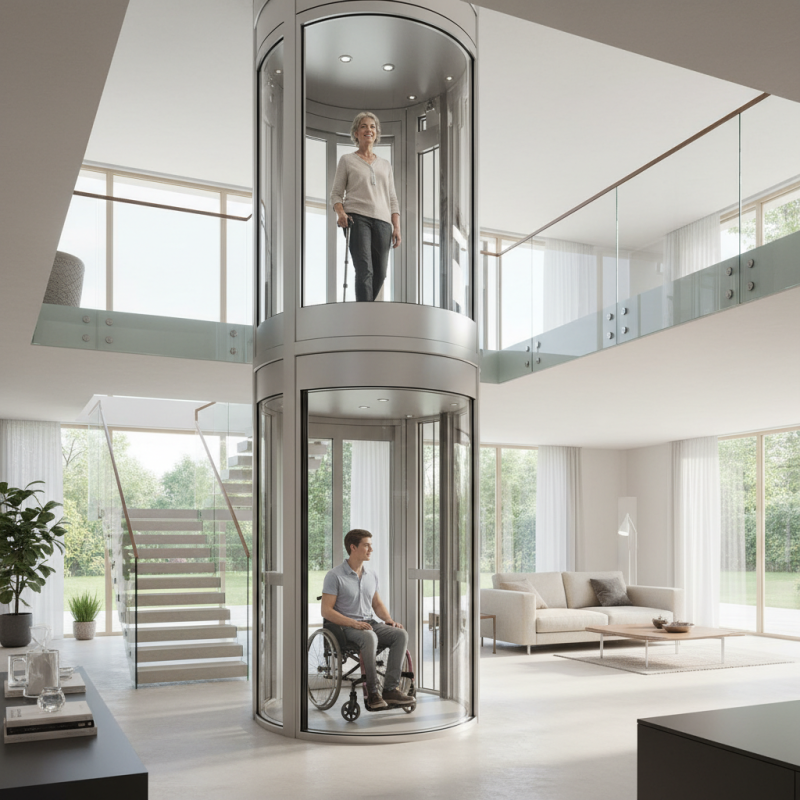
When considering a Home Elevator, the choices can feel overwhelming. Various styles and functionalities exist. Each option serves different needs and preferences. A Home Elevator isn’t just a luxury; it can enhance mobility and accessibility in your daily life.
Imagine how a compact Home Elevator can transform your multi-level home. It provides easy access to all floors. However, the right choice depends on your specific lifestyle and space. Consider the size, design, and purpose of the elevator. Think about who will use it regularly. This decision requires reflection and careful thought.
Some may overlook factors like installation space or budget. It’s easy to rush into a decision based on aesthetics alone. Yet, practicality is crucial for ensuring long-term satisfaction. In the end, a Home Elevator should cater to your unique needs and improve your home's functionality.
Factors to Consider When Choosing a Home Elevator
Selecting the right home elevator is crucial for both convenience and safety. One significant factor to consider is the available space. According to the National Association of Home Builders, over 60% of home elevators require a minimum of 5 square feet of space. This means homeowners must evaluate where the elevator will fit without compromising room usability.
Another important point is the type of elevator mechanism. Hydraulic elevators are popular, as they are quiet and reliable. However, they can consume more energy. In contrast, vacuum elevators, though often smaller, can be less intrusive and offer unique aesthetics. Homeowners should weigh these pros and cons based on their specific needs. A 2022 market report indicated that 45% of buyers prioritize efficiency but may overlook maintenance costs.
Safety features should never be underestimated. Over 80% of elevator-related injuries occur due to insufficient safety measures. Look for elevators that provide emergency stop buttons, phone systems, and proper weight limits. Future adjustments may also pose challenges, as technology evolves. Consider these aspects carefully to avoid oversights that can lead to regret later on.
Types of Home Elevators and Their Features
When choosing a home elevator, understanding the various types can greatly influence your decision. There are hydraulic, pneumatic, and traction elevators. Each type has unique features that cater to different needs. Hydraulic elevators are known for smooth rides, while pneumatic elevators offer a space-saving design. Traction elevators are ideal for larger homes. Consider your space and needs carefully.
Tips for selection: Identify your space requirements before choosing. Measure ceiling heights and door widths. This step is crucial. Evaluate the noise levels each type of elevator produces. Noise can be an important factor for many households.
Another essential consideration is the maintenance. Some elevators require more upkeep than others. The costs over time may surprise you.
Don’t overlook energy consumption. Pneumatic elevators typically use less energy, but always check specifications. Think about safety features too. It’s vital to ensure that your elevator meets safety standards. Balancing all these aspects can be challenging, but it's necessary for a suitable choice.
Home Elevator Types and Features
This chart illustrates the average cost of different types of home elevators. The hydraulic elevators are generally the most expensive, while traction systems might be a budget-friendly option.
Assessing Your Space and Installation Requirements
When choosing the best home elevator, assessing your space and installation requirements is crucial. Many homes face unique challenges. For instance, stairs can obstruct elevator placement. According to the National Association of Home Builders, nearly 50% of homes built today are multi-story. This rises the demand for effective vertical mobility solutions.
Consider ceiling height and available shaft space. A standard home elevator needs at least 8 feet of overhead clearance. Assessing door widths is equally important. Many installations require a minimum of 36 inches for easy access. Not every home can accommodate a traditional unit. Some may require custom solutions, increasing both time and costs.
Installation can be complex. Reports indicate that 70% of residential elevator projects exceed initial time estimates. This often occurs due to structural issues. It's essential to engage professional installers early. Not every contractor fully understands local building codes. Ignoring these nuances may lead to delays and surprising expenses. Homeowners should be prepared to adapt plans as needed.
Evaluating Cost and Budget for Your Home Elevator
Investing in a home elevator requires careful budget evaluation. The average cost of a residential elevator varies significantly, ranging from $20,000 to $50,000. Factors influencing this cost include installation complexity, size, and features. High-end models may exceed this range, pushing costs to around $100,000. It’s crucial to consider ongoing maintenance expenses, which can average about $300 annually.
Homeowners often underestimate total costs. Beyond initial expenditures, modifications to existing structures may be needed. A study indicated that nearly 30% of homeowners faced unanticipated costs during installation. It's essential to budget for these potential surprises. Financing options can help, but they may add long-term expenses due to interest.
A home elevator not only increases accessibility but can enhance property value too. Research shows that homes with elevators can appreciate 10-15% more compared to similar homes without them. However, buyers often weigh these benefits against immediate costs. Ultimately, evaluating your unique needs and financial capacity is critical. Assess the return on investment versus your current budget constraints.
How to Choose the Best Home Elevator for Your Needs?
| Elevator Type | Cost Range ($) | Weight Capacity (lbs) | Speed (ft/min) | Installation Time (weeks) |
| Hydraulic Elevator | $30,000 - $50,000 | 2,500 | 25 | 8 - 12 |
| Traction Elevator | $25,000 - $45,000 | 2,000 | 50 | 10 - 14 |
| Screw and Nut Elevator | $15,000 - $30,000 | 1,000 | 20 | 6 - 8 |
| Pneumatic Vacuum Elevator | $35,000 - $55,000 | 450 | 30 | 4 - 6 |
| Platform Lift | $5,000 - $15,000 | 750 | 10 | 2 - 4 |
Maintenance and Safety Considerations for Home Elevators
When installing a home elevator, safety and maintenance are crucial factors. Regular inspections are essential to ensure proper functioning. Check the cables, brakes, and doors frequently. These components wear out over time. Ignoring them can lead to malfunction or accidents. Even minor issues can escalate quickly, so proactive care is needed.
Routine maintenance checks should not be overlooked. Consider developing a maintenance schedule, ideally with a professional. Small fixes can prevent bigger problems down the line. For example, lubricating the machinery can enhance performance. Also, clean the elevator regularly to avoid dirt buildup, which can lead to malfunctions.
While home elevators are designed for convenience, they can pose risks if not properly maintained. An emergency plan is useful just in case. Think about how many people use the elevator and instruct them on safety procedures. Ensure all users are aware of potential hazards. Always prioritize safety to enjoy the benefits of your home elevator fully.