China Top Livestock Medical Syringe Supplier?

Choosing a China Top Livestock Medical Syringe Supplier requires more than comparing prices or colorful product catalogs. It demands evidence, field experience, and careful technical questions.

A reliable supplier should explain barrel materials, plunger smoothness, needle compatibility, sterilization methods, packaging, and batch traceability. For farms, small details matter. A stiff plunger can interrupt vaccination work. A loose needle can waste medication. Poorly sealed packaging may create serious quality concerns.

Dr. Temple Grandin, a respected livestock behavior expert, has said, “The more you know about animal behavior, the better you can handle animals.” Her observation applies to syringe selection too. Equipment should support calm, controlled handling, not increase restraint time or animal stress.

An experienced Livestock Medical Syringe manufacturer should provide clear technical documents, quality inspection records, and practical guidance for different species. Cattle, pigs, sheep, and poultry do not always require the same syringe design. Dose range, injection depth, cleaning procedures, and operator habits can change the result.

Look closely.

A serious supplier may offer sample testing before large orders. It should also answer difficult questions about leakage testing, needle sharpness, storage conditions, and complaint handling. Certifications are useful, but certificates alone cannot prove consistent production.

Some buyers, including myself in this evaluation, may focus too heavily on unit cost. That is a mistake worth admitting. A cheaper syringe can create higher labor, medication, and animal-care costs later. The strongest supplier is not automatically the largest one. It is the company that communicates clearly, documents quality, and performs reliably under real farm conditions.
China Top Livestock Medical Syringe Supplier?

China’s Livestock Syringe Market: FAO Estimates 20% Disease-Related Losses

China’s livestock syringe market deserves attention because animal disease still creates major production losses.

The Food and Agriculture Organization (FAO) has cited estimates that approximately 20% of global animal production is lost to disease. That figure includes mortality, slower growth, lower milk yields, and reduced reproductive performance. It is not a perfect number. Reporting quality differs widely between regions.

For farms, syringe quality becomes visible at the treatment table. A reliable device should provide smooth plunger movement, clear volume markings, and consistent needle attachment. Sterile, single-use options can reduce contamination risks during vaccination programs. Reusable equipment requires disciplined cleaning, drying, and inspection. WOAH’s World Animal Health Information System shows why traceability and accurate field records matter. Each treatment should connect to the animal group, date, dose, and responsible technician.

China-based suppliers are often assessed through more than production capacity. Buyers should review quality-management records, batch traceability, material specifications, and independent test documentation. FAO livestock statistics and WOAH disease reports can help purchasers compare regional risks before selecting syringe designs. A supplier may offer low prices, yet inconsistent calibration can waste medicine and weaken confidence. That weakness is easy to overlook. Field testing is still necessary, especially in dusty barns, cold storage rooms, and high-volume poultry operations. The best purchasing decision may involve fewer features, stronger verification, and better after-sales technical support.

Regulatory Standards: ISO 7886-1, ISO 13485, and China GMP

China Top Livestock Medical Syringe Supplier?

A dependable livestock syringe supplier must show more than attractive pricing. ISO 7886-1 covers sterile, single-use, manually operated hypodermic syringes. It tests dimensions, leakage, piston movement, graduation accuracy, and residual volume. These details matter during vaccination, especially when a 0.2 mL dose must remain consistent. A small mismatch can affect treatment records and animal welfare. The standard may not cover every automatic or reusable veterinary device. Confirm the product scope before approval.

ISO 13485 evaluates the supplier’s medical-device quality management system. Look for risk controls, supplier qualification, complaint handling, design records, and batch traceability. A certificate alone is not proof. I would request recent test reports, sterilization validation, lot-release records, and samples from routine production. HealthforAnimals reported that disease prevention supports a global animal health sector serving billions of farmed animals. FAO and WOAH have also reported that animal diseases can reduce livestock production by up to 20 percent. Reliable dosing is not a cosmetic feature.

China GMP adds local manufacturing controls for facilities, personnel, documentation, hygiene, process validation, and product release. Auditors should inspect cleanroom monitoring, packaging integrity tests, and warehouse temperature logs. Check the real factory, not only scanned certificates. That step is often missed. A practical audit may reveal inconsistent graduations, weak plunger seals, or incomplete traceability. These findings require correction before purchase, even when the supplier appears experienced.

(Sources: ISO 7886-1; ISO 13485; China Good Manufacturing Practice for Medical Devices; HealthforAnimals Global Animal Health Report 2022; FAO and WOAH animal health reports.)

Syringe Selection by Species, Dose, and Injection Route

China Top Livestock Medical Syringe Supplier?

Choosing a livestock syringe starts with the animal, not the supplier. Cattle often need sturdy syringes for thicker medicines and larger doses. Sheep and goats require smaller barrels and careful handling around their thinner muscle. Poultry usually needs precise, low-volume equipment. In practice, a 1 ml syringe can improve accuracy when a 0.2 ml dose matters. A 20 ml barrel may suit larger cattle doses, but it can reduce control during small injections.

The injection route changes the selection. Subcutaneous injections need short, sharp needles and gentle pressure. Intramuscular injections may require longer needles, depending on muscle depth and veterinary guidance. For intravenous use, precision, secure connections, and trained personnel are essential. Dose markings should remain clear after cleaning and repeated use. I have seen users choose a large syringe for convenience, then waste medicine through poor control. Convenience is not always accuracy.

Tips: Match the barrel to the dose, leaving little unused space. Check needle length, gauge, sterility, and animal size before every procedure. Use separate, clean equipment when protocols require it. Confirm withdrawal periods and local veterinary rules with a qualified professional. A simple selection chart helps, but it cannot replace examination of the animal. Reconsider the choice when the animal moves, the medicine is unusually thick, or the dose is extremely small.

Supplier Evaluation: Sterility, Luer Fit, MOQ, and Traceability

China Top Livestock Medical Syringe Supplier?

Supplier Evaluation: Sterility, Luer Fit, MOQ, and Traceability

Choosing a livestock syringe supplier requires more than comparing unit prices. Sterility should be verified through validated processes, sealed packaging, and batch-specific test records. Ask whether environmental monitoring covers critical production areas. A clean-looking package proves very little.

Luer fit also deserves hands-on checking. Connect sample syringes with commonly used needles, then inspect for leakage, looseness, or difficult removal. Measure the barrel markings under normal barn lighting. Small printing errors can affect dosage decisions. Request compatibility data for different needle gauges and injection methods. I would not approve a large order from drawings alone.

MOQ can expose hidden risk. A low minimum order may help field testing, while an excessive MOQ can create expired inventory. Discuss sample quantities, mixed specifications, and repeat-order flexibility. Traceability should reach the raw material, production date, sterilization record, and shipment carton. Scan the lot code and test whether the supplier can retrieve records quickly. In practice, response speed is often overlooked. One supplier may provide impressive certificates but answer basic batch questions slowly. That is a warning sign. My own evaluation would include a small pilot order, visual inspection, leak testing, and feedback from veterinary staff before expanding volume. Mistakes still happen, especially when storage conditions are poorly documented.

How to Verify a Top Supplier: Audits, Samples, and Batch Records

China Top Livestock Medical Syringe Supplier?

A top livestock syringe supplier should survive verification, not just present a polished website. The World Health Organization estimates that about 16 billion injections occur worldwide each year. That scale makes sterility, dosage accuracy, and traceability essential. Request an independent factory audit covering cleanrooms, calibration, staff training, pest control, and complaint handling. Check whether production records match actual floor conditions. A certificate alone is not enough.

Samples should represent normal production, not specially selected pieces. Test several cartons for barrel clarity, plunger movement, needle attachment, graduations, packaging integrity, and leakage. For livestock use, also examine performance with common veterinary liquids and cold storage conditions. Record lot numbers and testing dates. A small failure matters. One loose needle hub can damage confidence quickly.

Batch records reveal the supplier’s real discipline. Ask for raw-material certificates, sterilization parameters, in-process inspection results, final release approval, and distribution records. ISO 13485-based controls can support consistency, but they do not replace your own assessment. The FDA’s Medical Device Reporting program shows why post-market monitoring matters; manufacturers must investigate device-related problems and maintain complaint evidence. My own review habit is imperfect: I once focused too heavily on sampling and overlooked change-control records. That mistake was avoidable. Verify whether material, tooling, or sterilization changes require customer notification. A reliable supplier answers clearly, preserves records, and accepts reasonable re-testing.

China Top Livestock Medical Syringe Supplier? How to Verify a Top Supplier

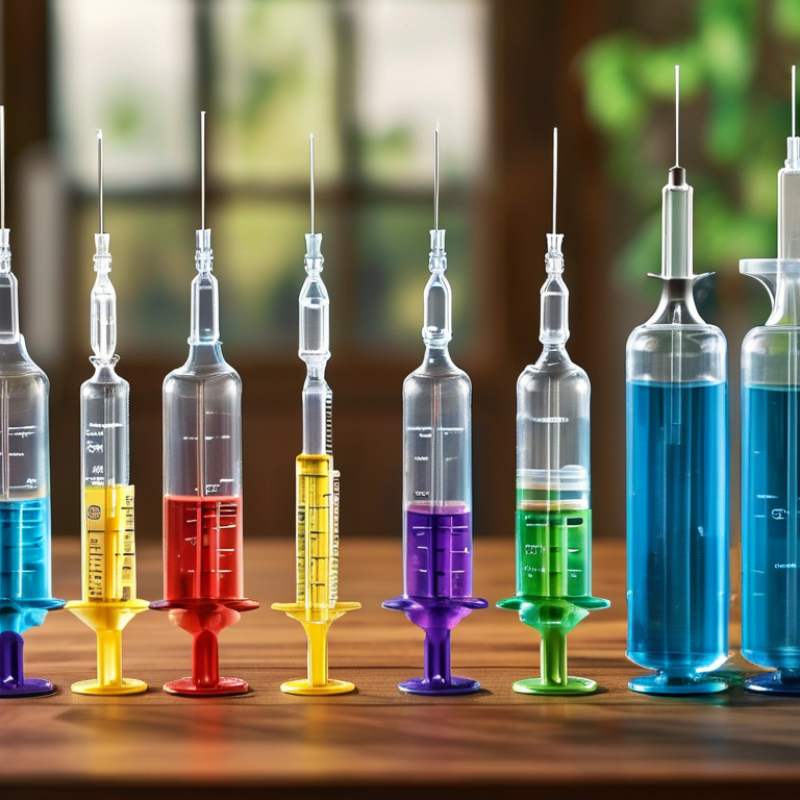
Use supplier audits, representative samples, and lot-specific batch records to verify that the requested syringe sizes are consistently manufactured and traceable. The chart shows nominal capacities commonly covered by ISO 7886-1 for sterile single-use syringes. Confirm the applicable standard edition, product scope, test reports, sterilization evidence, and batch records before approval.

Request a Quote

For more information on our instruments, consumables, or services, or to request a quote, complete the contact form below, and one of our associates will reach out to you!

Request a Service Quote

To request service on your machine(s), complete the contact form below, and one of our associates will reach out to you!

Browse by:

  • Test Property
  • Manufacturer