China Best Surgical Dressing Pads Supplier?

Choosing a China Best Surgical Dressing Pads Supplier requires more than comparing prices or product photographs. Surgical Dressing Pads support wound coverage, absorb exudate, and help protect the treated area. Their performance depends on practical details: material consistency, absorbency, packaging integrity, and clear product specifications. Small details matter.

The clinical context makes dependable sourcing important. The World Health Organization’s Global Guidelines for the Prevention of Surgical Site Infection report that surgical site infections affect up to 11% of patients undergoing surgery in low- and middle-income countries. The U.S. Centers for Disease Control and Prevention estimates that infections occur in 2% to 4% of patients undergoing inpatient surgery. These figures describe different settings, but both underline the value of reliable wound-care supplies and sound infection-prevention practices.

For buyers, a credible supplier should explain how products are made, inspected, packaged, and documented. Ask for relevant test reports, material information, and evidence of consistent quality control. Check whether samples match the specifications offered for bulk orders. A polished brochure is not proof. Even well-presented documentation deserves careful review, and no single supplier is automatically the best choice for every hospital or distributor. This guide examines the criteria that can help identify a suitable Chinese manufacturer, while recognizing that product selection should also reflect clinical needs and professional guidance.
China Best Surgical Dressing Pads Supplier?

What Surgical Dressing Pads Are and Their Role in Wound Care

China Best Surgical Dressing Pads Supplier?

What Surgical Dressing Pads Are and Their Role in Wound Care

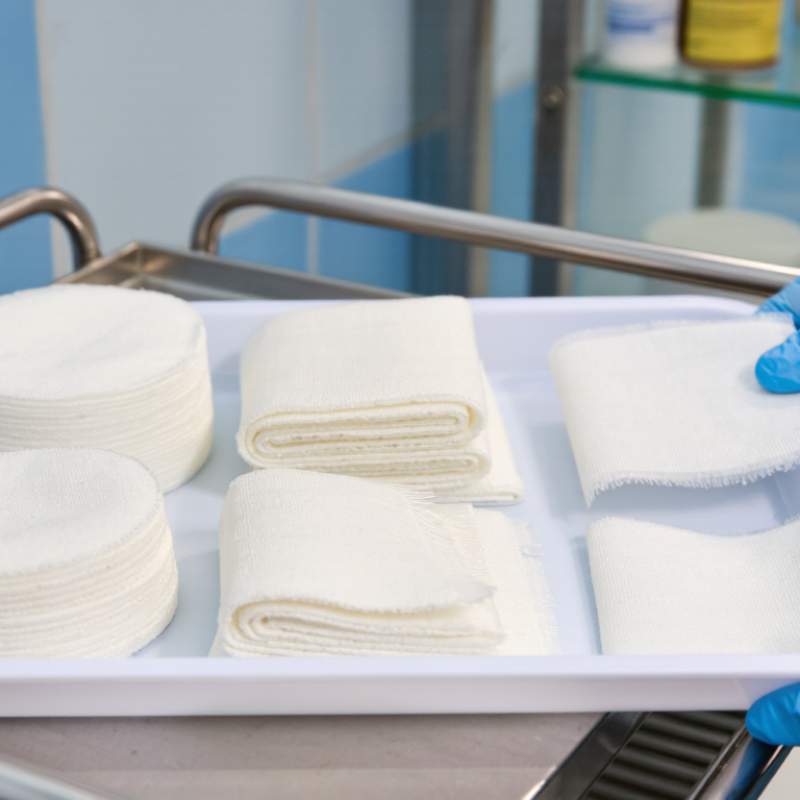
Surgical dressing pads are sterile, absorbent materials placed over wounds to protect tissue and collect drainage. They may use cotton, nonwoven fibers, or layered materials. A pad can cushion the area and reduce friction from clothing or bedding. Its role is supportive, not magical. It does not replace wound cleaning, clinical assessment, or treatment.

The right pad depends on the wound’s location, size, and amount of drainage. A lightly oozing incision may need a different level of absorbency than a wound with heavier discharge. Pads should fit without pressing tightly on the skin. Follow the care team’s instructions for changing them, and seek professional advice if redness spreads, pain worsens, or drainage changes noticeably. Even experienced caregivers can misjudge what a wound needs, so reassessment matters.

Tips: Wash your hands before handling a dressing. Keep the wound area dry as directed, and replace a pad that becomes wet, loose, or soiled.

China Best Surgical Dressing Pads Supplier? - What Surgical Dressing Pads Are and Their Role in Wound Care

Dressing Pad Type Common Construction Primary Role in Wound Care Typical Use Practical Considerations
Sterile gauze pad Woven cotton or other absorbent fibers, supplied sterile in sealed packaging Absorbs blood and wound fluid and provides a protective covering Minor cuts, abrasions, and use as a secondary dressing May adhere to a drying wound; removal should follow appropriate wound-care guidance.
Non-adherent contact pad A low-adherence wound-contact layer, often paired with an absorbent backing Helps reduce sticking to the wound while allowing fluid to pass into an outer layer Wounds where minimizing trauma during dressing changes is important Often needs a secondary dressing to hold it in place and manage fluid.
Absorbent combine pad Multiple layers, commonly including an absorbent core and a protective outer layer Manages greater amounts of exudate and helps protect clothing or bedding As a secondary dressing over a wound-contact layer Choose a size and absorbency appropriate to the wound; replace when saturated or as directed.
Abdominal (ABD) pad Large, thick absorbent pad with a soft outer facing Provides broad coverage and absorbs wound drainage Large incisions or wounds requiring a larger secondary dressing Typically secured with tape, a bandage, or another suitable fixation method.
Foam dressing pad Soft, porous foam, sometimes with an adhesive border or a film backing Absorbs exudate and cushions the wound area Some wounds with light to moderate drainage, depending on the product design Not every foam dressing is suitable for every wound; follow its instructions for use.
Island dressing pad Central absorbent pad attached to an adhesive border Covers and absorbs fluid from a wound while the border helps secure the dressing Post-procedure sites and minor wounds when an all-in-one dressing is appropriate Adhesive suitability depends on skin condition and sensitivity; avoid stretching the skin during application.
Specialty impregnated pad A dressing layer containing an added material, such as petroleum-based ointment Provides a particular wound-contact property; the intended effect depends on the formulation Selected wound-care situations based on clinician advice and product labeling Check ingredients, indications, and contraindications; some products require a secondary absorbent layer.
Key selection factors Sterility, material, size, construction, packaging, and intended use Match coverage and fluid management to the wound and care plan Consider wound location, drainage, surrounding skin, and dressing-change needs Use sterile products for wounds when indicated and follow the product label and professional guidance.

Note: Dressing choice depends on the wound, the amount of drainage, the surrounding skin, and the care plan. Seek professional advice for deep, infected, or non-healing wounds.

Common Types and Materials Used in Surgical Dressing Pads

Surgical dressing pads come in several forms, and each suits different wound conditions. Woven cotton gauze is familiar, breathable, and useful for absorbing light to moderate drainage. Its open structure can sometimes catch on a healing wound. Not always. Non-woven pads, often made from viscose and polyester, have a softer surface and tend to shed fewer loose fibers. They are commonly used when gentle removal matters. Larger absorbent pads may combine a soft contact layer with a thicker core, helping protect clothing from fluid. Some designs include an adhesive border, while others need separate tape or a bandage.

The right material depends on drainage, wound location, skin sensitivity, and the care plan. Silicone contact layers can reduce sticking, but they may not suit every wound or budget. A clinician can help match the pad to the wound and explain how often it should be changed. Check the package for sterility, size, and material details before use. Small details matter. A pad that looks soft in its packaging may feel bulky under clothing or shift near a joint. Material labels are useful, but they cannot predict comfort for every patient. One practical check is whether the pad stays in place during ordinary movement without rubbing the surrounding skin.

How Surgical Dressing Pads Are Manufactured in China

China Best Surgical Dressing Pads Supplier?

How Surgical Dressing Pads Are Manufactured in China

Manufacturing surgical dressing pads begins with material selection. Depending on the design, factories may use cotton gauze, absorbent nonwoven layers, or a combination. Operators check incoming rolls for visible defects, consistency, and moisture. Small details matter. A rough edge or uneven layer can affect how a pad sits on skin.

The material is then cut to specified dimensions and folded or layered on production lines. Some pads include an outer layer designed to reduce fiber release, while others focus on absorbency. Machines handle repeatable steps, but trained staff still inspect folds, seams, and cut edges. Samples may be checked for dimensions, absorbency, and package integrity. Sterile products require a validated sterilization process; nonsterile pads follow a different route.

These processes should not be confused.

Before shipment, finished pads are counted and sealed in packaging suited to their intended use. Records help connect production batches with inspection results. Requirements vary by product and destination, so buyers should review specifications and quality documents rather than rely on a factory description alone. Even a well-controlled line can have variation. Reviewing complaints and inspection findings is part of improving the process.

Criteria for Evaluating Chinese Surgical Dressing Pad Suppliers

Choosing a Chinese surgical dressing pad supplier requires more than comparing unit prices. Start with the product specification: material, dimensions, ply, absorbency, linting, and whether the pad is sterile or non-sterile. Ask how each feature is checked during production. Request sample units and inspect their edges, fold consistency, and packaging seals under ordinary handling. Details matter.

A supplier’s quality records should connect incoming materials, production batches, and finished goods through clear lot identification. Ask for relevant test reports, inspection procedures, and examples of batch documentation, then confirm that the records match the product you plan to order. A polished brochure is not proof. Check whether staff can explain what happens when a test result falls outside specification. Their answer may reveal more than a sales presentation.

Assess production capacity and delivery reliability with specific questions: typical lead times, minimum order quantities, and how delays are communicated. Compare samples from different lots when possible; one excellent sample cannot establish consistent output. Also review packaging options and request details on storage conditions. I would not rely on a video call alone. It can help, but it cannot replace a careful document review or an independent quality assessment when the purchase risk warrants one.

How to Verify Supplier Quality, Compliance, and Export Capability

A reliable surgical dressing pad supplier should provide more than a polished certificate. Ask for a current ISO 13485 certificate, its issuing body, and the exact sites and product scope it covers. Then request batch records showing raw-material lots, sterilization results where applicable, and release criteria. WHO’s 2022 Global Report on Infection Prevention and Control estimates that about 7% of acute-care patients in high-income countries and 15% in low- and middle-income countries acquire at least one healthcare-associated infection. That figure does not measure dressing-pad defects, but it underlines why sterile barriers and traceability deserve close review.

Check samples against written specifications: dimensions, absorbency, linting, packaging seals, and label details. Ask how the supplier handles failed tests, complaints, and product changes. A perfect audit score can still miss a weak handoff between production and packing. No checklist catches everything. Review recent test reports and verify that the laboratory and methods are suitable for the product, rather than accepting a document with no context.

Export capability needs the same evidence. Confirm the manufacturer’s registered product details for your destination market, carton markings, shelf-life data, and shipping documents before placing a large order. Request a redacted example of a prior shipment file and agree on who resolves customs or labeling questions. The World Health Organization’s 2023 Patient Safety fact sheet reports that unsafe care contributes to more than three million deaths each year. This broad estimate is not supplier-specific, yet it reinforces the value of careful documentation. I would still inspect a pilot shipment; paperwork can look cleaner than the cartons.

Request a Quote

For more information on our instruments, consumables, or services, or to request a quote, complete the contact form below, and one of our associates will reach out to you!

Request a Service Quote

To request service on your machine(s), complete the contact form below, and one of our associates will reach out to you!

Browse by:

  • Test Property
  • Manufacturer