2026 Best Steel Grating Types for Global Buyers Guide?
In the evolving landscape of construction materials, "Steel Grating" has gained significant attention. According to a recent report by Global Market Insights, the steel grating market is projected to reach USD 3.12 billion by 2026. This growth stems from its versatility and robust applications across various industries, including construction, shipbuilding, and OEM.
Expert David Ellis, a leading figure in the steel industry, once stated, “Steel grating offers exceptional strength-to-weight ratios, making it invaluable in modern construction.” This highlights its importance in engineering solutions where durability is paramount. However, selection challenges persist. Not all types of steel grating meet the rigorous demands of every project. Buyers must navigate through numerous options, each varying in material, design, and application suitability.
Navigating the world of steel grating involves understanding the specific needs of a project. Factors like load-bearing requirements and environmental resistance must be considered. The complexity in choosing the right type often leads to oversight, potentially compromising safety and functionality. Thus, this guide aims to equip global buyers with essential insights, ensuring informed decisions in selecting the best steel grating types for their unique applications.
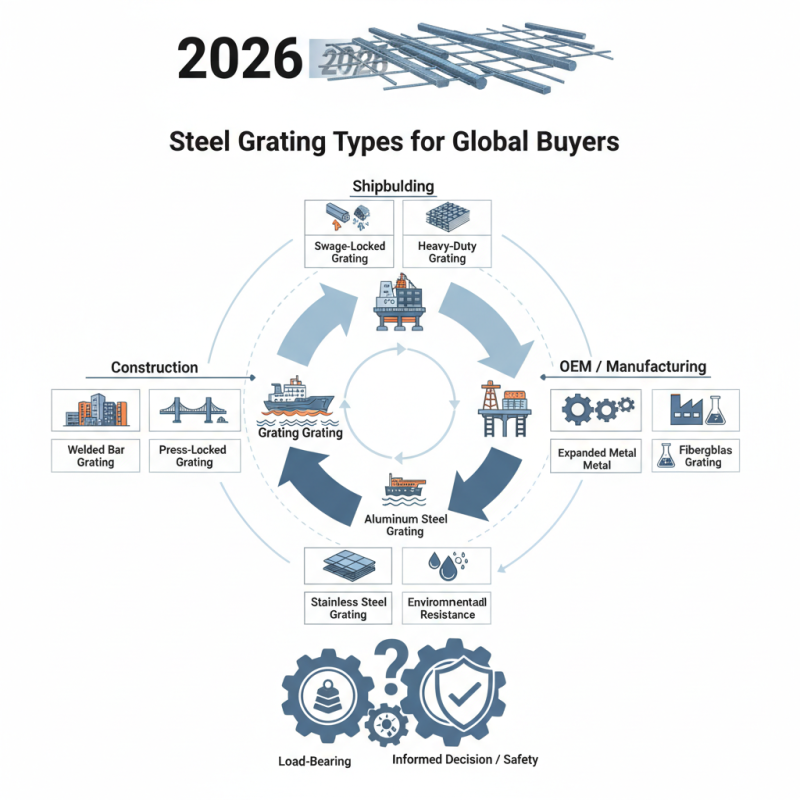
Types of Steel Grating: An Overview for Global Buyers
When selecting steel grating, understanding the types available is essential for global buyers. Steel grating is broadly categorized into various types, each serving different needs. The most common types include welded, riveted, and pressure-locked grating. Welded grating features solid bars for durability, often used in heavy-duty applications. Riveted grating is versatile and allows for easy installation, making it suitable for various environments. Pressure-locked grating combines strength and lightweight properties, ideal for flooring and walkways.
Considerations when choosing the right type include: load capacity, corrosion resistance, and spacing between the bars. Load capacity determines how much weight the grating can support. Corrosion resistance is vital in environments exposed to moisture or chemicals. Buyers may also find that certain types offer aesthetic benefits. However, not all options may fit every project. It's crucial to engage with suppliers and discuss specific project needs. Some buyers might overlook the significance of maintenance. Grating that requires frequent upkeep can incur additional costs over time.
Lastly, customization options exist, such as different bar sizes and materials. These options allow buyers to tailor the grating to specific applications. However, customization may lead to longer lead times. Buyers should weigh these factors carefully before making a decision. Being informed can lead to better investments in steel grating solutions.
Key Factors to Consider When Selecting Steel Grating
Selecting the right type of steel grating requires careful consideration of several key factors. The load-bearing capacity is paramount. Different projects have varying load requirements, and oversizing can lead to unnecessary costs. According to industry reports, steel grating can support loads ranging from 400 to 2,500 pounds per square foot. Assess the project’s specific needs to determine the appropriate type.
Durability is another critical element. Steel grating should withstand environmental conditions it will encounter. For instance, corrosive environments necessitate the selection of galvanized or stainless steel products. The expected lifespan of grating is often tied to the material. It's essential to consider the long-term costs associated with replacement or maintenance.
When making a selection, keep in mind the spacing of the grating bars as it affects safety. Tighter spacing ensures fewer accidents but can raise expenses. Tips: Always review loading standards and check the compatibility with your project’s design. Explore different grating types, such as welded and serrated, to find the best fit. Reflect on potential challenges; not every option will be ideal for every application. Audit the needs carefully before finalizing your choice.
2026 Best Steel Grating Types for Global Buyers Guide
This chart illustrates the popularity of various types of steel grating among global buyers in 2026 based on their applications and preferences.
Comparative Analysis of Popular Steel Grating Types
When selecting the right steel grating type, it’s crucial to understand their differences. Common options include welded, riveted, and molded grating. Each type serves unique functions and is suitable for different applications. A recent industry report indicates that welded grating is preferred for heavy-duty applications, while molded grating offers better corrosion resistance. Consider the specific needs of your project.
It’s vital to evaluate your environment. For example, areas exposed to high humidity may require stainless steel options. The choice of material directly impacts durability and maintenance costs. An analysis showed that galvanized steel grating has a longer lifespan in harsh environments compared to painted alternatives. Industrial settings often prioritize safety and load-bearing capacity.
Tips: Always consult with professionals who can guide your selection process. Consider your local regulations and installation conditions. Additionally, evaluate the cost vs. performance for long-term efficiency. Remember, the right choice now can prevent costly repairs later. Future-proofing your project should be a priority. Reflect on how your choice will stand up over time, not just today.
Applications of Steel Grating in Various Industries
Steel grating serves a pivotal role across various industries with its diverse applications. In construction, it provides safe walkways and work platforms. Its durability withstands heavy loads, ensuring safety for workers. The open design allows for light and air circulation, preventing accumulation of debris and enhancing visibility. Many construction sites depend on this essential material for efficient operations.
In the automotive industry, steel grating is equally important. It is used in manufacturing plants for walkways and equipment platforms. The resilient nature of steel grating helps support heavy machinery, which is crucial for production efficiency. Additionally, its
slip-resistant surface enhances safety for workers handling materials. However, it is vital to ensure proper installation and maintenance to avoid accidents.
Another prominent application is in
wastewater treatment facilities. Steel grating provides strong, corrosion-resistant surfaces for grating and covers. These attributes are essential in harsh environments where chemicals and moisture are common. Nevertheless, not all steel grating types are suitable for these conditions. It is vital for buyers to understand the specific requirements of their industries to select the
right type of grating. Ignoring these details can lead to costly mistakes and safety hazards.
Maintenance and Durability of Steel Grating Products
The maintenance of steel grating products is crucial for long-term performance. Recent industry studies indicate that proper maintenance can extend the lifespan of steel grating by up to 30%. Regular inspections are essential. Checking for signs of corrosion or wear can catch potential issues early on.
Durability is another key factor. Steel grating often undergoes harsh conditions, such as heavy foot traffic or exposure to chemicals. Research shows that hot-dip galvanized coatings can increase longevity by providing a robust barrier against rust. However, not all coatings perform equally. Knowing the right type of coating for specific environments is vital.
Despite these advantages, it’s important to acknowledge that no material is without flaws. Steel grating can suffer from deformation under extreme loads. Environmental factors can also play a role. For example, coastal areas with salty air can accelerate corrosion. Buyers need to consider these challenges when selecting grating types. Regular upkeep and understanding the environment are essential for optimal performance.