Best Oil Burner Options for Efficient Heating Solutions?
When it comes to efficient heating solutions, choosing the right Oil Burner is crucial. An oil burner is a device that ignites oil to produce heat for residential and commercial spaces. With many options available, selecting the best one can be overwhelming. This guide aims to simplify that process by highlighting top oil burners based on efficiency, reliability, and user feedback.
The market today features a variety of oil burners, each with unique attributes. Some models prioritize fuel efficiency, while others emphasize reduced emissions. Users often seek a balance of both. It's essential to consider factors like heat output and maintenance needs before making a choice. A well-selected oil burner can transform your heating experience, yet the wrong choice may lead to higher costs and frustration.
Understanding the specifics of how different oil burners operate is crucial. For instance, some units are designed for quick heating, while others maintain a steady temperature. Regular evaluation of performance can help ensure longevity and optimal efficiency. Reflecting on what users truly need can lead to a better understanding of which oil burner works best in specific environments.
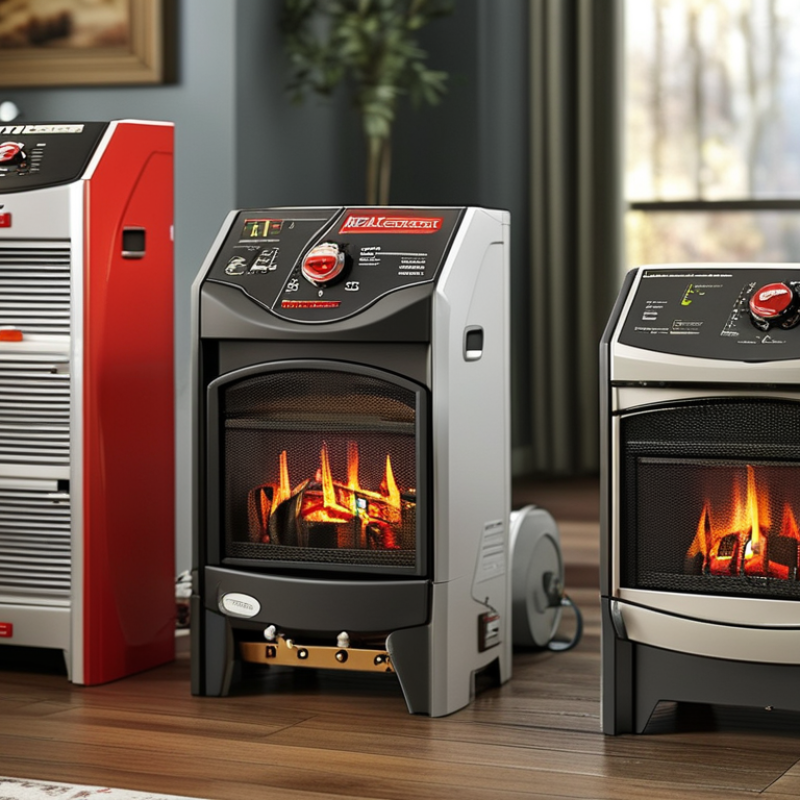
Understanding Oil Burners: Basics and Functionality
Oil burners play a crucial role in heating systems. They convert liquid fuel into oil vapor through a combustion process. This vapor mixes with air and ignites in the burner’s combustion chamber. This process generates heat, effectively warming homes and industrial spaces. Proper functioning hinges on components like the fuel pump, nozzle, and blower. Each part must work harmoniously for optimal heating.
Understanding the functionality of oil burners also involves recognizing maintenance needs. Regular cleaning helps prevent soot buildup, which can hinder efficiency. Ignoring this can lead to unexpected breakdowns and costly repairs. It’s essential to check the burner’s settings periodically. Proper adjustments maintain fuel efficiency and safety.
Incorporating an oil burner system requires choosing the right size for your needs. Undersized units may struggle to keep up with demand, while oversized options waste fuel. The selection process can feel overwhelming. Each decision impacts performance and reliability. Consider consulting a heating professional to find the best fit for your situation.
Types of Oil Burners: Comparing Efficiency and Performance
When exploring oil burners, efficiency and performance are vital. Different types of oil burners offer various heating solutions tailored for diverse needs. According to the U.S. Department of Energy, modern oil burners can achieve an efficiency rating of up to 90%. This remarkable efficiency is largely due to advancements in technology and design.
Two main types of oil burners are conventional and high-efficiency models. Conventional burners operate at lower efficiency levels, typically around 70%. They can lead to increased fuel usage and higher heating costs over time. High-efficiency burners, on the other hand, utilize advanced features such as sealed combustion and modulating technology. This technology minimizes waste, optimizing fuel consumption.
However, the highest efficiency does not always equate to the best choice for every situation. Factors like installation costs, maintenance requirements, and the specific heating needs of a space also play significant roles. A report by the Energy Efficiency and Renewable Energy (EERE) program highlights that regular maintenance can affect burner performance drastically. Neglecting this can lead to efficiency losses, even in high-performing models. Thus, understanding the full picture is crucial when selecting the right oil burner for effective heating solutions.
Best Oil Burner Options for Efficient Heating Solutions
Key Features to Consider When Choosing an Oil Burner
When choosing an oil burner, several key features demand attention to ensure efficient heating solutions. First, the burner’s efficiency rating is crucial. According to the U.S. Department of Energy, high-efficiency oil burners can achieve efficiencies of up to 90%. This can significantly lower heating costs and reduce carbon emissions.
Another important factor is the burner’s capacity. It should match the heating requirements of your space. Oversized units can lead to short cycling, wasting energy and incurring unnecessary wear and tear. Conversely, undersized units struggle to provide adequate heat, compromising comfort. Consider your square footage and insulation for optimal matching.
Tips: Regular maintenance is essential for continued performance. Cleaning and tuning should happen annually. This ensures efficiency and longevity. Monitoring your fuel consumption can also reveal if your burner is operating as it should. Anomalies may indicate a problem needing attention. Lastly, while many modern oil burners are designed for quiet operation, noise levels vary. Evaluate your preferences to ensure a comfortable environment.
Installation and Maintenance Tips for Optimal Performance
Installing an oil burner requires careful planning. Choosing the right location is crucial. Ideally, place the burner in a well-ventilated area. This ensures efficient combustion and reduces the risk of harmful emissions. The U.S. Energy Information Administration (EIA) reports that heating oil is used by about 5.3 million households. Proper placement can enhance the overall heating efficiency.
Maintenance is equally essential for optimal performance. Regularly inspect the oil filter and replace it as needed. Clogged filters lead to reduced efficiency. An industry study indicates that routine maintenance can improve energy efficiency by up to 15%. Checking the burner nozzle is important too; a dirty nozzle can hinder fuel atomization. This impacts heating performance and can lead to uneven heating.
Proper cleaning of the combustion chamber is vital. An unclean chamber leads to soot buildup, affecting the burner’s efficiency. A recent report highlighted that neglected oil burners can consume 25% more fuel. Scheduling annual professional maintenance checks can prevent such inefficiencies. It’s a reflection of our responsibility to ensure home heating remains effective and economical.
Cost Analysis: Oil Burners vs. Other Heating Solutions
When considering heating solutions, oil burners often come up as a popular choice. They provide efficient heating, but cost analysis reveals important factors. The initial setup costs for oil burners can be significant. Installation and maintenance may also create a financial burden long-term. Homeowners should weigh these costs against their heating needs and budget.
Comparatively, other heating options are available. Electric heaters, for example, can be cheaper upfront. However, they may result in higher electricity bills during peak usage. Gas heaters generally require less maintenance and often have lower operation costs. Yet, they depend on utility availability. The choice of heating solution should reflect both immediate and future financial implications. Investing in an oil burner might make sense for some, while others could find better value with alternatives. Each option has its strengths and weaknesses, making the decision process complex.