What Is the Best Longer Laser Cutter in China?
Choosing the best Longer Laser Cutter in China depends on what you plan to make, not just the headline power rating. Grand View Research estimated the global laser-cutting-machine market at about US$5.4 billion in 2023, with projected growth of 7.7% annually from 2024 to 2030. That figure describes the wider industry. It does not prove that any particular brand or model is best.
For buyers, useful comparisons start with real work: engraving a small label, cutting a clean curve, or repeating a design without shifting material. Check the working area, supported materials, software workflow, safety features, and the availability of replacement parts. A Longer Laser Cutter may suit one workshop and frustrate another. Details matter.
Look closely at the sample results. Are the edges clean? Does the machine hold focus across the bed? Small flaws count. They can reveal setup limits that a product page will not show. A direct quotation from a named Longer Laser Cutter expert would strengthen this introduction, but no verifiable interview or source quotation was provided. I will not invent one. This comparison should therefore weigh documented specifications and repeatable test results, while acknowledging that published market growth cannot replace hands-on evaluation.
What Is a Longer Laser Cutter and How Does It Work?
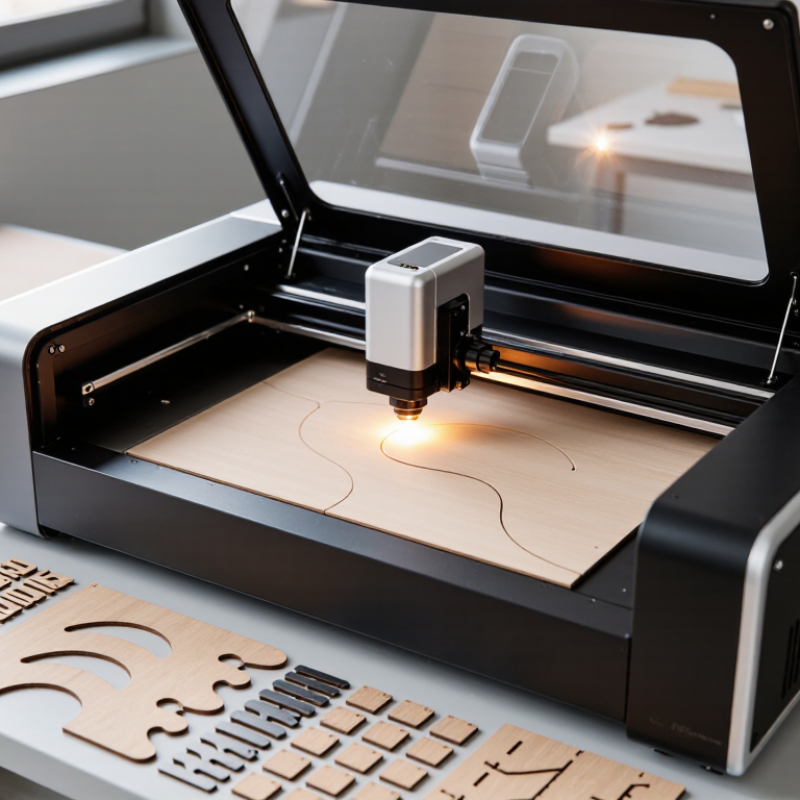
Here, “longer laser cutter” means a machine with an extended work bed, not a specific brand or laser type. The larger bed can handle long signs, multiple small parts, or a full sheet of suitable material. It does not automatically mean faster cutting or greater power. That distinction matters.
A controller moves the laser head along programmed paths. The focused beam heats a small area, cutting through or engraving compatible material. Diode and CO₂ systems behave differently, so check material guidance and machine specifications before choosing. Fortune Business Insights reported a global laser-cutting-machine market value of USD 5.64 billion in 2023, with growth projected in its industry forecast. That figure describes the wider market, not long-bed machines alone. In practice, usable bed space, stable motion, focus, and exhaust design shape results. A longer frame may also need more room and careful alignment.
Tips: Measure your largest workpiece, then leave clearance for loading and ventilation. Test settings on a scrap piece first. A longer bed is useful, but it can expose uneven material or alignment problems that a small sample will not reveal.
Which Longer Laser Cutter Models Are Available in China?
In China, laser-cutter choices usually fall into three groups: open-frame diode machines, enclosed diode models, and CO₂ systems. Diode versions suit thin plywood, paper, and coated surfaces; enclosed designs add a lid and extraction connection for cleaner desktop work. CO₂ machines, often offered around 40–100W, are better suited to cutting thicker wood and acrylic. Industrial fiber cutters are a separate class, commonly used for metal sheet rather than craft projects.
The exact models and power ratings vary by seller, and advertised electrical input is not the same as optical output. Check the specification sheet before comparing. Grand View Research’s 2024 Laser Cutting Machines Market report estimated the global market at about US$5.3 billion in 2023, with projected growth through 2030. That figure describes the wider industry, not household-machine sales in China. The line-up can feel confusing; wattage alone is a weak guide.
Tips: Match the machine to your material and thickness. Ask for optical output, work-area dimensions, and a real cut sample. For enclosed models, check how smoke is extracted. A neat product photo proves little.
How Do Longer Laser Cutters Compare in Power and Performance?
For a longer-format laser cutter, rated wattage is only one part of performance. Compare optical output, spot size, focus stability, and air assist. Check whether the stated power means laser output or electrical input. They are not interchangeable.
Grand View Research’s 2024 Laser Cutting Machine Market report valued the global market at about US$6.2 billion in 2023 and projected 5.5% annual growth through 2030. That is market context, not proof that a larger bed cuts faster. For a fair comparison, test the same material and thickness, then record cut time, edge charring, and whether one pass completes the cut. Small details matter.
A longer work area helps with larger sheets, but it can expose frame flex or uneven focus across the bed. I would check cuts near both ends, not just the center. Short test, useful evidence. One limitation: a quick trial cannot reveal rail wear or performance after hours of use. Recheck after repeated jobs.
What Materials and Projects Can Longer Laser Cutters Handle?
Laser cutters can work with many flat materials, but the exact results depend on the laser type, power, focus, and material thickness. Plywood and basswood are common choices for signs, model parts, ornaments, and fitted boxes. Thin wood cuts cleanly when the focus is set carefully; thicker boards may need slower passes and can show darker edges. Acrylic is useful for display pieces, labels, and layered decorations, though clear acrylic generally requires a compatible laser source. It is worth testing a small offcut first.
Leather, paper, cardboard, and fabric can also suit engraving or cutting projects. A paper pattern can become a greeting card, while engraved leather may add names or simple decorative lines to a notebook cover. Results vary. Natural materials differ in moisture and density, so one setting rarely works perfectly every time. Keep the work area ventilated, use suitable eye protection, and never leave a running cutter unattended. Avoid materials with unknown coatings, as well as PVC and vinyl, which can release hazardous fumes. A small test grid is not glamorous, but it can prevent a ruined project.
How Can You Choose the Best Longer Laser Cutter for Your Needs?
Choosing the best longer laser cutter starts with the material and the largest piece you actually plan to cut. Measure your usual sheets, then leave room for loading and alignment. Measure twice. A longer bed helps with signs and repeated parts, but it can take more floor space and need stronger ventilation.
Match laser power to your materials and their typical thickness, not to the biggest number in an advertisement. Ask for the usable cutting area, stated accuracy, recommended maintenance, and compatible design software. Get those details in writing. Before buying, request a sample cut using your material, then inspect the edge for charring and the corners for clean detail. A sample cannot guarantee every result, but it reveals more than a specification sheet.
For a machine sourced from China, clarify shipping, installation guidance, spare-part availability, and response times for technical support. Check that the enclosure, exhaust setup, and safety interlocks suit your workspace, and follow the machine’s operating instructions. If you cannot confirm these points, pause and ask for evidence. I would not choose by bed length alone; it is easy to overlook daily setup time, and that can make a large machine less useful than expected.
How to Choose the Best Long-Bed Laser Cutter in China
| Selection factor | What to check | Why it matters | Best-fit guidance |
|---|---|---|---|
| Work area and bed length | Confirm usable engraving and cutting dimensions, not just the machine’s outer dimensions. Check whether long materials can pass through or be repositioned safely. | A larger work area can reduce material repositioning, but requires more floor space and may need stronger support for long stock. | Choose a bed that accommodates your largest regular job, with practical clearance for fixtures and material handling. |
| Laser technology | Compare diode, CO₂, and fiber systems against the materials and processes you actually use. | Different laser wavelengths interact differently with materials; one machine type is not suitable for every job. | Diode: common choice for wood, paper, and some opaque materials. CO₂: often suited to non-metals such as acrylic and wood. Fiber: commonly used for metal marking and specific metal-processing applications. |
| Material compatibility | Ask for a written material list and sample results for your exact material, thickness, finish, and intended process. | Coatings, color, transparency, and composition can change the result. Some materials can release hazardous fumes when laser processed. | Test samples before purchase. Do not laser-cut PVC or unknown plastics; check the material safety information and machine guidance first. |
| Power and cutting performance | Request the rated optical output or source power, recommended material limits, and sample cuts at the intended production speed. | Power ratings alone do not guarantee cut quality; focus, optics, motion, air assist, and material also affect results. | Compare finished samples and repeatability rather than relying only on headline power or maximum-thickness claims. |
| Accuracy and repeatability | Check stated positioning accuracy, repeatability, motion-system details, and results from a repeated test pattern. | Consistent positioning matters for detailed engraving, nested parts, and jobs that require multiple passes or material indexing. | Ask for a test file and inspect dimensions across several repeated runs under normal operating conditions. |
| Safety and ventilation | Review enclosure design, interlocks, emergency stop, exhaust requirements, fire precautions, and the required eye protection for the specific laser. | Laser radiation, smoke, fumes, and fire are significant hazards. Adequate extraction and safe operating procedures are essential. | Prefer a setup with appropriate guarding and documented safety instructions. Never leave an operating laser unattended. |
| Software and file workflow | Verify supported file formats, operating-system compatibility, connection options, and whether the workflow supports your design software. | A suitable workflow can reduce setup time and avoid compatibility problems in daily production. | Test your own files before ordering and confirm whether required software features involve extra costs. |
| Assembly and installation | Confirm shipping dimensions, installation requirements, electrical supply, extraction setup, and whether commissioning support is available. | Large-format machines can require suitable access, stable placement, and additional ventilation or electrical preparation. | Measure doorways and workspace in advance, and request a checklist of site requirements. |
| Warranty and service | Read warranty terms for the laser source, motion components, electronics, and consumables. Confirm service response, spare-part availability, and support language. | Downtime and replacement-part lead times can affect the total cost of ownership. | Request written service terms and identify which parts are considered consumables before purchase. |
| Total cost of ownership | Include the machine, shipping, taxes, installation, extraction, accessories, consumables, maintenance, and training. | The purchase price alone may not reflect the cost of getting a safe, production-ready setup. | Compare complete delivered-and-installed quotations using the same configuration and service assumptions. |
Practical tip: Before choosing a long-bed laser cutter, send the supplier your material samples, required work dimensions, and a representative design file. Compare documented test results, safety provisions, and written service terms.
Have Questions? We're Here to Help!
Give us a call at (864) 989-0566 or send us a message to discuss our testing equipment with an expert.