What Is the Best Heat Transfer Film Printer in 2026?
Choosing the best Heat Transfer Film Printer in 2026 depends on what you print, how often you print, and the finish your customers expect. A compact setup may suit a small studio producing occasional custom shirts. A busy shop may need a wider printer, steady white-ink circulation, and a curing system that keeps pace with daily orders. The details show up on the worktable: film feeding smoothly, fine lettering staying sharp, and colors holding up after pressing and washing. Small details matter.
This guide compares the features that affect real production, not just impressive figures on a product page. It looks at print width, output quality, operating costs, software, maintenance, and the availability of technical support. For direct-to-film workflows, remember that the printer is only one part of the setup; ink, film, adhesive powder, curing, and a heat press also shape the result. A faster machine is not automatically the better choice. That is not enough. Test sample artwork on the materials you actually use, and ask suppliers how they measure speed and explain warranty coverage. A specification sheet can still leave out the inconvenient bits. Even a well-matched printer may need more cleaning than expected, or prove costly when production grows. The right choice balances reliable output with a workflow your team can manage. This comparison aims to make that decision clearer, while recognizing that the best fit varies from shop to shop.
What Is a Heat Transfer Film Printer?
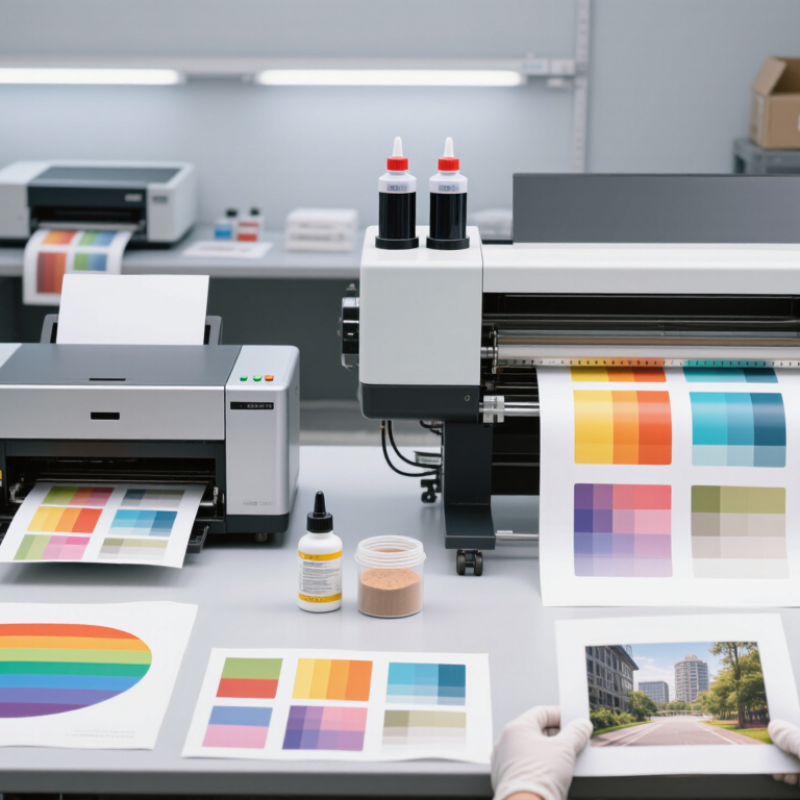
A heat transfer film printer places a design onto a special film so it can later be pressed onto fabric. In many direct-to-film workflows, the printer lays down colored inks and a white layer. The white ink helps bright artwork show on dark garments. The printed film then receives adhesive powder, which is cured before pressing.
That is the basic idea. The printer is only one part of the process. Film type, ink, powder, curing temperature, and press settings all affect the finished result. For example, uneven powder can leave rough patches, while excess heat may damage a delicate fabric. Always check that the materials and settings suit the garment.
The terminology can be confusing. “Heat transfer film printer” may refer to different printing systems, and not every system uses the same film or finishing steps. It is easy to focus on print resolution and overlook maintenance. White ink may settle when equipment sits unused, so regular circulation and cleaning matter. A clean test print on film is a useful check before a larger run. Small flaws show up fast. The process is practical, but not foolproof; some fabrics still need testing.
How Heat Transfer Film Printing Works
How Heat Transfer Film Printing Works
Heat transfer film printing, often called direct-to-film printing, builds a design in layers. A printer lays colored ink onto a coated PET film, then adds white ink behind the image. That white layer helps colors stay visible on dark fabric. The wet print receives fine hot-melt adhesive powder, which is cured before transfer. Under a heat press, the adhesive bonds the design to the garment; peeling the film reveals the finished print. Small details matter.
The steps sound simple, but humidity, powder coverage, curing temperature, and press pressure can change the result. A slightly uneven powder coat may leave weak edges, while too much heat can dull the surface. In its Digital Textile Printing Market report, Grand View Research estimated the market at USD 2.6 billion in 2023 and projected 12.1% annual growth from 2024 to 2030. This broader market figure signals rising interest in digital textile methods, not DTF alone.
Tips: Test a small fabric swatch first. Follow the film and adhesive supplier’s temperature and peel instructions, and record settings that work. Check the print under bright light before pressing; tiny gaps can be easy to miss. Real production is less tidy than diagrams suggest.
Which Features Matter When Comparing Printers?
When comparing heat transfer film printers, look beyond headline speed. Check printable width, native resolution, color consistency, and whether white ink circulates automatically. A machine may print quickly but still waste film if registration shifts between layers. Request repeat samples using your artwork, film, and powder, then inspect fine text and solid color areas under consistent lighting.
Grand View Research estimates the global digital textile printing market reached USD 2.7 billion in 2023, with a projected 12.1% compound annual growth rate from 2024 to 2030. This covers a wider market than film-transfer equipment alone, so treat it as context, not proof of demand for a specific printer. Compare service access, ink use, cleaning time, and software compatibility too. Small daily maintenance costs can quietly outweigh a lower purchase price. That part is easy to underestimate.
Tips: Print a one-meter test run. Record usable output, rejected sheets, and cleaning time. Ask for the same test after several days of idle time; white ink behavior can change. A neat showroom sample proves little.
How to Choose the Best Printer for Your Needs in 2026
Choosing a heat transfer film printer starts with the work you actually produce. Check the printable width against your designs, then confirm the printer supports the specific film, ink, and curing workflow you plan to use. For direct-to-film production, the printer is only one part of the setup; powder application, curing, and heat pressing also affect the finished transfer. Test a sample on your own fabric. Small details matter.
Grand View Research estimated the global digital textile printing market at USD 2.7 billion in 2022, with projected annual growth of 12.1% from 2023 to 2030. This broad market estimate signals growing interest, but it does not measure heat transfer film printers alone. Use it as context, not as a buying forecast. Compare output speed at usable quality, color consistency, maintenance needs, software, and the cost of film and ink. A fast machine is not a bargain if it sits idle between jobs.
Tips: Ask for a test print using your artwork and intended materials. Check fine text, solid color areas, and wash durability. Estimate your weekly order volume before paying for extra width or speed. I would not assume the biggest model is best; space and upkeep can become the quiet costs. That deserves thought.
What Is the Best Heat Transfer Film Printer in 2026?
Compare common nominal print-width classes when choosing a printer for your needs.
Wider printers can handle larger designs and more layouts across a roll, while compact models need less workspace. These are common nominal width classes, not a performance ranking; check each printer’s actual printable width before buying.
What Costs and Maintenance Should Buyers Expect?
A heat transfer film printer’s purchase price is only part of its cost. Buyers should budget for film, ink, powder where required, curing equipment, and suitable ventilation. Actual supply costs depend on print size, coverage, and production volume. A full-color design can use noticeably more ink than a small chest logo. Small costs add up. Ask suppliers for a sample job and a realistic estimate of consumables per finished transfer, not just the printer’s advertised speed. Also allow for software, installation, training, and occasional waste from misprints or clogged nozzles.
Maintenance takes time as well as money. Many systems need regular nozzle checks, printhead cleaning, and attention to white-ink circulation. Dust on a film path or residue around the capping station can cause defects that are easy to miss at first. Plan for downtime. Keep cleaning supplies and commonly replaced parts available, and check whether local technicians can service the machine. Some maintenance routines feel tedious, and skipping them may seem harmless for a day. It can become expensive later. Before buying, compare total monthly costs at your expected workload, then leave room for slower weeks and unexpected repairs.