Best Friction And Wear Tester for Accurate Material Testing?
In the field of material testing, accuracy and reliability are paramount. A well-chosen Friction And Wear Tester plays a crucial role in achieving these standards. According to a recent report by the Materials Analysis Journal, up to 40% of failures in various applications stem from inadequate friction and wear assessments. This highlights the need for advanced testing equipment that delivers consistent results.
Selecting the best Friction And Wear Tester requires understanding specific testing parameters, including load conditions and material characteristics. Experts emphasize that a tester must not only measure friction coefficients but also simulate real-life wear scenarios. Statistics from the International Society of Tribology indicate that proper testing can enhance product life by as much as 25%. Therefore, investing in a reliable friction and wear testing device can lead to improved material performance.
However, not all friction and wear testers meet industry standards. Some may lack precision or versatility. It's essential to critically assess equipment and ensure it aligns with rigorous testing protocols. As the demand for innovative materials grows, the need for accurate testing methods becomes increasingly significant. The right Friction And Wear Tester can provide the insights necessary to drive advancements in material technology.
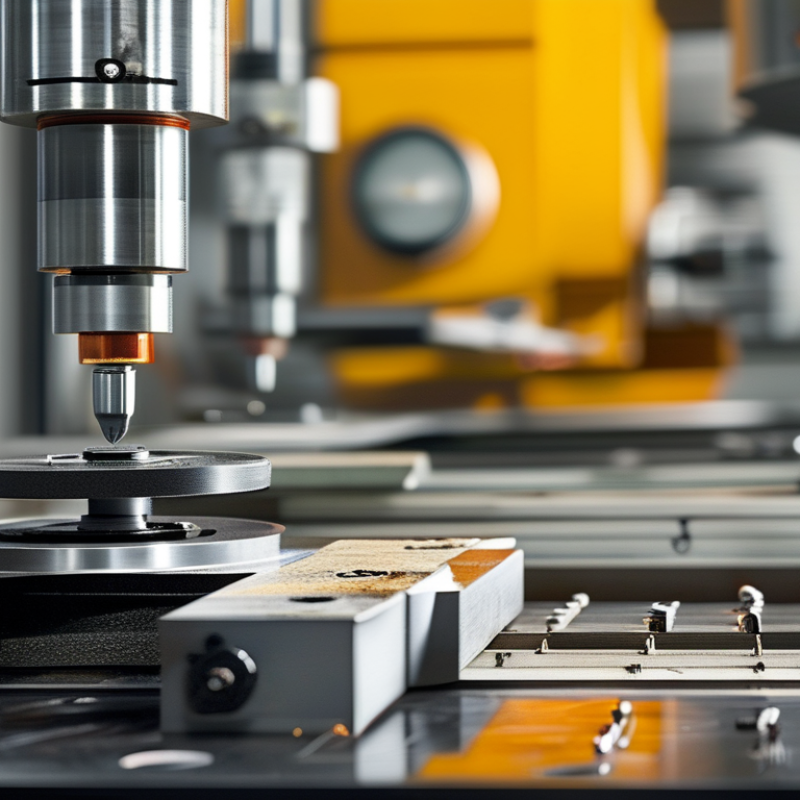
Main Types of Friction and Wear Testers Available in the Market
Friction and wear testers play a crucial role in material testing. Understanding the types available can help engineers select the right equipment. Key types include pin-on-disk, block-on-ring, and ball-on-disk testers. Each type offers unique benefits and drawbacks.
Pin-on-disk testers measure wear rates by sliding a pin against a rotating disk. They provide precise data, but may not be suitable for all materials. Block-on-ring testers assess friction and wear using a stationary block against a rotating ring. While effective, they may require more calibration. Ball-on-disk testers are popular for simulating various real-world conditions. Their versatility is valuable, yet results can vary based on parameters.
Choosing a tester requires balancing accuracy and material specifics. Each type has nuances that can affect outcomes. Users often face challenges in interpreting data and ensuring reproducibility. Testing conditions must mirror real-world applications for reliable results. Continuous improvements and updates in testing methods call for regular assessments of equipment. Understanding these factors is key to achieving accurate and reliable material testing results.
Key Features to Look for in an Ideal Tester
When selecting a friction and wear tester, several key features stand out. Accuracy is crucial; the tester must provide reliable measurements under various conditions. Look for devices that can simulate real-world scenarios. This allows for better predictions of material behavior.
Another important aspect is versatility. A tester should support different materials and testing methods. This adaptability helps researchers conduct a wider range of experiments. Additionally, consider the user interface. A clear, intuitive design makes operation easier, reducing the likelihood of user errors.
Data analysis capabilities should not be overlooked. Advanced testers often come with software that facilitates detailed analysis. This helps in drawing more meaningful conclusions. However, users should remain cautious about overly complex systems. Simplicity in data interpretation is often more effective. Balancing complexity and usability is essential for meaningful results.
Friction and Wear Tester Performance Comparison
Comparative Analysis of Top Brands and Models
When choosing a friction and wear tester, the options can be overwhelming. Quality matters greatly, impacting your material testing results. Different models have a variety of features designed for specific purposes. Understanding these distinctions is crucial for effective testing.
Consider the precision of measurement devices. Some testers offer advanced sensors for accurate data collection. Others may struggle with consistency, leading to questionable results. The reliability of the data you collect can significantly influence the conclusions drawn from your tests.
Moreover, user experience plays a vital role. Some devices have complex interfaces that require specialized training. This can pose challenges for new users. Meanwhile, simpler models may lack certain functionalities but are easier to operate. Evaluating the balance between usability and advanced features is essential for making an informed choice.
Practical Applications in Various Industries
Friction and wear testing plays a crucial role in material science. Different industries rely on precise testing to improve product performance. In aerospace, materials must withstand extreme conditions. Understanding wear can help engineers select appropriate materials for components. High friction can lead to failures, so accurate testing is essential.
In automotive industries, friction testers help evaluate brake components. They simulate real-world conditions to measure wear rates effectively. This testing informs material choices, improving safety and durability. In manufacturing, wear testing assists in selecting the right coatings for tools, enhancing their lifespan and performance.
However, testing methods are not perfect. Factors like temperature and environmental conditions can vary results. It’s essential to recognize these variables and refine testing protocols. Continual improvement in test accuracy can lead to better material performance overall. Industries must remain vigilant and adaptable to these challenges.
Tips for Accurate Testing and Result Interpretation
When conducting friction and wear tests, accuracy is paramount. Reliable data ensures that researchers and engineers make informed decisions. The ASTM G99 standard highlights the importance of consistent load and speed in testing. Deviations can lead to unreliable results, making it crucial to calibrate equipment regularly.
Interpreting the data is as vital as the testing process itself. Studies show that nearly 30% of errors in wear assessment stem from incorrect loading conditions. It’s essential to understand the material behavior under various conditions. For instance, using an inappropriate lubricant can skew results and misrepresent material properties.
Take note of wear mechanisms; adhesive and abrasive wear are common but can present differently depending on the testing environment. Researchers often overlook microstructural changes that occur during testing, which can significantly affect wear rates. Therefore, maintaining a comprehensive testing record is critical for accurate analysis.
Best Friction And Wear Tester for Accurate Material Testing
| Material Type | Tester Type | Coefficient of Friction | Wear Rate (mm3/N·m) | Testing Environment | Comments |
| Aluminum Alloy | Pin-on-Disk | 0.45 | 0.12 | Room Temperature | Good performance overall |
| Polyethylene | Block-on-Ring | 0.30 | 0.05 | Dry Environment | Low wear observed |
| Steel | Flat-on-Flat | 0.8 | 0.20 | Lubricated | High friction noted |
| Brass | Rotating Cylinder | 0.35 | 0.15 | High Humidity | Moderate performance |