What Are the Best Chiller Series Available Today?
In today's rapidly evolving HVAC industry, choosing the right "Chiller Series" can significantly impact efficiency and performance. Expert David Green, a well-regarded figure in chiller technology, once stated, "Selecting the right series is crucial for maximizing energy savings." His insight underscores the importance of informed decisions.
With numerous options on the market, it can be challenging for businesses to determine which chiller series best suits their needs. Each series offers unique features and efficiencies that cater to specific applications. However, not all products deliver as promised. Some may fall short, leading to wasted resources and disappointment.
As the demand for sustainable and efficient cooling solutions grows, the right chiller series can make or break a facility's performance. Understanding the strengths and weaknesses of each option is vital. Evaluating real-world performance, long-term costs, and reliability should guide decisions. Constantly evolving technology means that staying informed is more critical than ever.
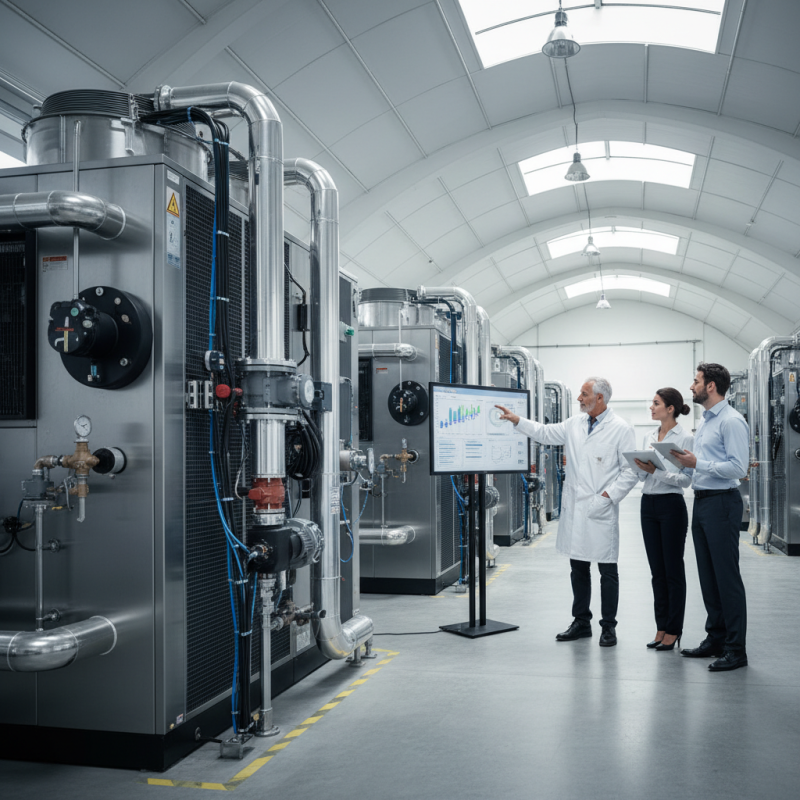
Overview of Chiller Technologies in Today's Market
Chiller technology has evolved significantly in recent years. Modern chillers now utilize advanced refrigeration cycles and energy-efficient components. According to a report by the International Energy Agency, chiller systems can account for up to 60% of a facility's energy consumption. Focusing on efficiency can lead to substantial cost savings over time.
Current trends show a shift towards variable-speed chillers and eco-friendly refrigerants. These innovations improve energy efficiency and reduce greenhouse gas emissions. The American Society of Heating, Refrigerating and Air-Conditioning Engineers emphasizes that adopting these technologies could lower energy usage by 20-40% in commercial buildings. However, not all chillers are created equal. Expecting an immediate return on investment can be misleading.
Integration with smart building systems is another frontier. Data analytics can optimize performance and predict maintenance needs. Yet, many facilities struggle with this integration due to legacy systems. It highlights the need for ongoing improvements and adaptability. Overall, while the advancements in chiller technology show great promise, challenges remain that require careful evaluation and planning.
Key Factors to Consider When Choosing a Chiller Series
When choosing a chiller series, several key factors must be considered. Efficiency is paramount. According to the U.S. Department of Energy, systems with better efficiency can save up to 30% in energy costs. This is essential for both operational budgets and environmental impact.
The cooling capacity of the chiller is another critical factor. Each application requires a specific capacity. If the chiller is oversized or undersized, it may lead to inefficiencies. A study by the American Society of Heating, Refrigerating and Air-Conditioning Engineers highlights that improper sizing can result in a 20% energy loss.
Reliability is also vital. Downtime can be costly. Data from various industries suggests that even minor malfunctions can lead to a significant drop in productivity. It’s crucial to assess maintenance needs. A chiller that requires frequent repairs can disrupt operations. A thorough analysis of upfront costs versus long-term savings is necessary. Every choice made should reflect both immediate goals and future sustainability.
What Are the Best Chiller Series Available Today? - Key Factors to Consider When Choosing a Chiller Series
| Chiller Series | Cooling Capacity (BTU/hr) | Efficiency (EER) | Refrigerant Type | Noise Level (dB) | Application |
| Chiller Series A | 30,000 | 12.5 | R-410A | 65 | Commercial |
| Chiller Series B | 50,000 | 11.0 | R-134A | 70 | Industrial |
| Chiller Series C | 20,000 | 13.0 | R-410A | 60 | Residential |
| Chiller Series D | 40,000 | 11.5 | R-1234ze | 68 | Data Center |
| Chiller Series E | 25,000 | 12.0 | R-32 | 64 | Healthcare |
Top Manufacturers and Their Leading Chiller Series
When considering the best chiller series today, it's essential to explore leading manufacturers. Not all options are created equal. Some companies focus on energy efficiency, while others prioritize cooling capacity. This variability creates both advantages and challenges for consumers.
Certain models excel in quiet operation, making them ideal for sensitive environments. Others feature modular designs for flexibility in installation. However, not all models fit every application. Users may experience difficulties during the selection process. Understanding specific needs can be daunting.
Additional factors, such as maintenance requirements, also deserve attention. Some chiller series need regular servicing, while others offer self-diagnostic features. This can be a game changer for long-term use. Ultimately, the best choice depends on a clear understanding of features and performance. Choosing wisely can lead to improved efficiency and reliability in your cooling needs.
Chiller Series Performance Comparison
Comparative Analysis of Popular Chiller Models
When analyzing popular chiller models, certain factors emerge as critical in the decision-making process. Cooling efficiency is a primary concern. Recent industry reports indicate that modern chillers can achieve efficiency ratings of over 0.6 kW/ton, considerably lowering energy costs. In environments where chilled water is consistently required, this efficiency can lead to substantial savings over time.
Maintenance is another important aspect. Many systems have been noted for their low maintenance needs, which can significantly impact operational cost. However, some models tend to require more frequent service checks. Over time, this may lead to hidden expenses that users should be aware of. Reliability is also key; systems reported as highly reliable often come with longer warranties but may not always live up to high performance claims under varied conditions.
Noise levels are frequently overlooked, yet they can affect the working environment. Many chillers operate at sound levels between 60 to 70 dB. For applications in noise-sensitive areas, this could be a major drawback. Users must weigh the pros and cons carefully. There is always room for improvement, even in top-rated models. An informed choice requires evaluation beyond the surface features.
Sustainability and Energy Efficiency in Chiller Designs
In today's world, sustainability is crucial. Chiller designs have evolved significantly to enhance energy efficiency. According to industry reports, energy-efficient chillers can reduce energy consumption by up to 30%. This reduction translates into lower operating costs and less environmental impact. As businesses strive for greener practices, adopting efficient chiller systems is not just smart but necessary.
Chillers with advanced controls and variable speed drives can adapt to changing loads. This flexibility improves overall efficiency, especially in varying temperature conditions. Reports indicate that these chillers have a significant impact on carbon footprint reduction. However, some systems still operate at suboptimal levels. Regular maintenance is essential to achieve their full potential.
Tips: Always assess the specific requirements of your facility. Not all chillers fit every need. Educating your team about optimal settings can improve performance. Regularly revisiting your energy strategy can uncover hidden inefficiencies. Emphasis on continuous improvement will lead to a more sustainable operation.