Top 5 Benefits of Copper Machining Parts for Global Buyers?
In the competitive landscape of manufacturing, Copper Machining Parts have emerged as essential components across various industries. According to a recent report by MarketsandMarkets, the global demand for copper components is projected to grow at a CAGR of 5.6% through 2025. This increased demand is driven by copper's superior electrical conductivity and thermal properties.
Copper Machining Parts offer significant benefits to global buyers. They are not only durable but also resist corrosion, enhancing the lifespan of products. Furthermore, copper's natural antimicrobial properties make it ideal for applications in healthcare. However, challenges remain in sourcing quality parts. Some manufacturers struggle to standardize the machining process, leading to inconsistencies in output quality.
Investing in reliable suppliers who understand copper machining can mitigate such risks. Their expertise ensures compliance with regulations and industry standards. Ultimately, embracing these benefits can result in improved product performance and customer satisfaction, highlighting the importance of quality in a competitive market.
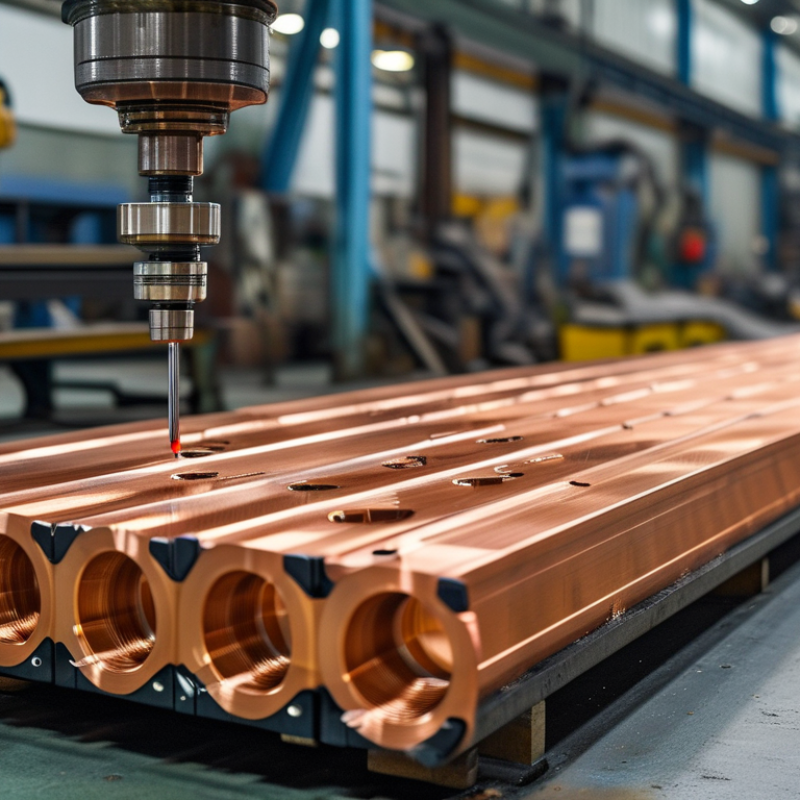
Benefits of Enhanced Electrical Conductivity in Copper Machining Parts
Copper machining parts offer significant advantages, especially regarding their electrical conductivity. According to the International Copper Association, copper has the highest electrical conductivity of any metal. This quality makes it indispensable in various applications, including electronics and renewable energy systems. The ability to conduct electricity efficiently can lead to improved performance and energy savings in many devices.
In a study published by the Institute of Electrical and Electronics Engineers, it was found that copper components can enhance the durability and functionality of electrical systems. Devices incorporating high-quality copper machining parts experience lower resistance and heat generation. Therefore, these components can lead to longer lifespans and reduced maintenance costs. The significance of using superior copper in manufacturing is not to be underestimated.
Despite the established benefits, sourcing high-quality copper machining parts can be challenging. Variability in material quality could affect performance. Buyers must ensure that their suppliers meet specific standards to maintain reliability. Poor-quality copper might not provide the expected conductivity, leading to inefficiencies. Thus, the need for thorough vetting processes is evident in selecting appropriate machining partners.
Cost-Effectiveness of Copper Machining for Global Buyers
When considering the cost-effectiveness of copper machining for global buyers, the material's unique properties shine. Copper offers exceptional thermal and electrical conductivity. This feature makes it ideal for industries like electronics, reducing energy loss and ensuring better performance. Buyers appreciate these advantages, leading to lower operational costs in the long run.
Another key aspect is durability. Copper's resistance to corrosion means it can withstand harsh environments. This reduces replacement frequency and maintenance costs. Global buyers find that investing in copper parts leads to significant savings over time. However, fluctuations in copper prices can present challenges. It requires careful planning and forecasting.
Additionally, the versatility of copper machining is notable. It can be easily shaped and formed into various components. This adaptability allows manufacturers to meet diverse specifications efficiently. Nonetheless, achieving precise tolerances in machining can prove difficult at times. Buyers must choose reliable suppliers who can navigate these challenges effectively.
Durability and Corrosion Resistance of Copper Components
Copper components are renowned for their impressive durability and resistance to corrosion. This property makes them a preferred choice for many industries. They maintain their structural integrity even in harsh environments. Their longevity reduces the need for frequent replacements, which can lead to significant cost savings.
In addition to durability, copper has excellent thermal and electrical conductivity. This feature is crucial in applications requiring efficient heat dissipation or reliable electrical connections. High-performance machinery often relies on these properties of copper for optimal functionality. While copper components often excel, they are not impervious to wear and tear over time. Regular inspections are vital to ensure continued performance.
The versatility of copper allows it to adapt to various applications, from plumbing to electronics. However, it is essential to consider the environment in which these parts will operate. Factors like moisture and exposure to certain chemicals can impact their longevity. Understanding these nuances is key to maximizing the benefits of copper components.
Top 5 Benefits of Copper Machining Parts for Global Buyers
This chart illustrates the key benefits of copper machining parts, focusing on durability and corrosion resistance among others. Each bar represents the percentage of buyers who prioritize these benefits when selecting copper components.
Versatility of Copper Machining in Various Industries
Copper machining parts have gained popularity across multiple industries due to their unique properties. Their exceptional electrical and thermal conductivity make them ideal for electrical components. Copper's resistance to corrosion enhances durability, making it suitable for plumbing and HVAC systems. Additionally, copper can be easily machined into complex shapes, providing flexibility in design.
In the automotive industry, copper parts are crucial for wiring harnesses and connectors. The versatility of copper allows manufacturers to produce lighter components, which can improve fuel efficiency. In the telecommunications sector, copper is used in cables and circuit boards, ensuring reliable data transmission. The aerospace industry also benefits from copper's lightweight nature and strength, ensuring safety and performance.
Tip: When selecting copper machining parts, consider the specific requirements of your application. Understanding the exact environment and stress factors can lead to better material choices. Experimenting with different copper alloys might yield stronger parts. Always review the machining processes that will be employed, as they affect final product quality. It's essential to maintain a critical approach throughout this process. Consider the trade-offs involved with copper in demanding applications, as there are limits to its capabilities that must be addressed.
Sustainability Advantages of Using Copper in Manufacturing Processes
Copper is a highly sustainable material in manufacturing processes. Its recyclability makes it an attractive option for global buyers. When products reach the end of their life, copper can be reclaimed and reused with over 90% efficiency. This characteristic reduces waste significantly. Many industries are focusing on circular economy principles. Copper supports this shift by minimizing environmental impact.
Moreover, copper has natural antimicrobial properties. This feature is beneficial in sectors like healthcare. Products made from copper can help reduce bacteria on surfaces, promoting healthier environments. However, not all copper sources are created equal. It’s essential for buyers to ensure their suppliers maintain ethical mining practices. This means considering the ecological footprint of extraction methods.
There is also debate around energy consumption in copper production. While it is energy-intensive, advancements in technology are helping to reduce this impact. Innovative techniques are emerging, aiming to enhance efficiency. Consumers must remain vigilant about these practices. Sustainable sourcing requires ongoing effort, but the long-term benefits are significant.
Top 5 Benefits of Copper Machining Parts for Global Buyers
| Benefit | Description | Sustainability Impact |
| Excellent Conductivity | Copper parts have superior electrical and thermal conductivity, enhancing efficiency in electronics. | Reduces energy consumption in electrical applications. |
| Corrosion Resistance | Copper is resistant to corrosion, which extends the life of components across various industries. | Minimizes waste by reducing the frequency of replacements. |
| Recyclability | Copper can be recycled without losing its properties, making it a sustainable choice for manufacturing. | Supports circular economy initiatives by encouraging material reuse. |
| Antimicrobial Properties | Copper has inherent antimicrobial qualities that help in reducing the spread of bacteria and viruses. | Promotes health and safety, especially in public spaces. |
| Lightweight yet Durable | Copper parts are lightweight, making them easier to handle and install while maintaining structural integrity. | Contributes to energy savings in transport and installation processes. |