What are the Benefits of Alumina Hollow Sphere Brick for Industry?
In the industrial landscape, the significance of alumina hollow sphere bricks is increasingly recognized. These unique materials offer exceptional thermal insulation and lightweight properties, making them a valuable asset for various applications. Jonathan Smith, a leading expert in ceramics technology, emphasizes their importance by stating, "Alumina hollow sphere bricks redefine efficiency in manufacturing processes."
The benefits of alumina hollow sphere bricks are multifaceted. They enhance energy efficiency by reducing heat loss in high-temperature environments. This creates a more sustainable operational framework. Moreover, their lightweight nature translates to easier handling and reduced transportation costs. Yet, the manufacturing process for these bricks can be quite complex, requiring advanced techniques and quality control.
As industries strive for innovation, the role of alumina hollow sphere bricks cannot be overlooked. Companies must reflect on their material choices. While these bricks offer numerous advantages, understanding their limitations is crucial for making informed decisions. As we explore the benefits further, it becomes clear that alumina hollow sphere bricks are more than just a material; they represent a shift toward smarter industrial practices.
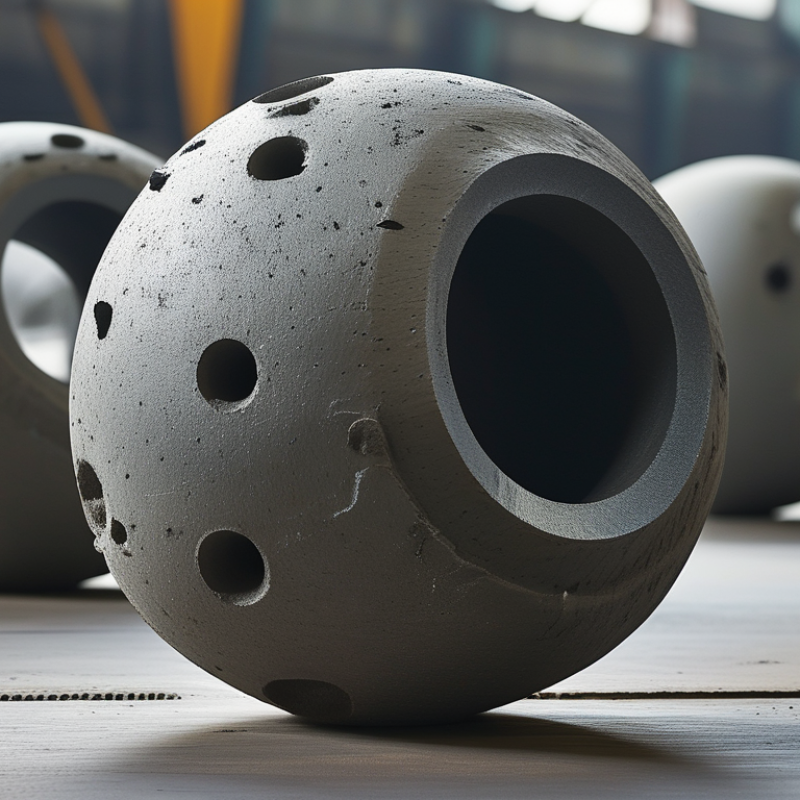
Benefits of Alumina Hollow Sphere Brick in High-Temperature Applications
Alumina hollow sphere bricks are gaining popularity in various high-temperature applications. These bricks offer an impressive balance of strength and lightweight properties. Their design, featuring hollow spheres, significantly reduces thermal conductivity. Studies show that alumina hollow sphere bricks can withstand temperatures exceeding 1,600°C. This capability is essential for industries like ceramics, metallurgy, and petrochemicals.
In addition to thermal resistance, these bricks provide excellent insulation. According to industry reports, using these bricks can improve energy efficiency by up to 30%. This reduction translates to lower operational costs, making them a smart investment. Their durability means fewer replacements, contributing to sustainability efforts.
**Tip:** Always consider the specific needs of your application. Assess the operating conditions and choose the right materials.
Another advantage of alumina hollow sphere bricks is their resistance to thermal shock. This feature helps maintain structural integrity during temperature fluctuations. However, it’s important to ensure proper installation. Any small errors can lead to failures.
**Tip:** Regular maintenance can extend the life of these bricks. Monitor for any signs of wear and perform needed repairs early.
Benefits of Alumina Hollow Sphere Brick in High-Temperature Applications
Energy Efficiency and Cost Savings of Using Alumina Hollow Sphere Bricks
Alumina hollow sphere bricks are gaining traction in the industrial sector due to their energy efficiency and cost-saving potential. These bricks have a unique structure that enhances thermal insulation. A study from the International Journal of Applied Ceramic Technology reports that using these bricks can result in energy savings of up to 30% in high-temperature applications. This translates into significant cost reductions over time, especially for industries that rely heavily on maintaining specific thermal environments.
In terms of practicality, alumina hollow sphere bricks are lightweight and easy to handle during installation. Their lower density reduces transportation costs and labor efforts. However, the initial investment in these materials can be higher compared to traditional bricks. Industries need to weigh this upfront cost against long-term savings. The potential for reduced energy consumption can often compensate for the initial price.
Moreover, the durability of alumina hollow sphere bricks is noteworthy. With a typical lifespan exceeding 10-15 years, they require less frequent replacement. However, there are concerns about sourcing high-quality materials consistently. Not all suppliers may meet the industry standards, which can impact performance. Thus, while the benefits are clear, careful selection of materials and suppliers is crucial for maximizing advantages.
Enhanced Durability and Longevity of Alumina Hollow Sphere Bricks in Industry
Alumina hollow sphere bricks are gaining attention in various industrial applications. Their unique structure offers a range of benefits, particularly in enhancing durability and longevity. The hollow spheres create a lightweight yet strong material, capable of withstanding high temperatures and thermal shock. This makes them suitable for demanding environments, including furnaces and kilns.
The longevity of alumina hollow sphere bricks comes from their resistance to wear and chemical corrosion. Unlike traditional materials, these bricks can endure prolonged exposure to harsh conditions. This durability can lead to reduced maintenance costs and extended service life, saving both time and resources. However, while they perform well, their performance may vary based on specific conditions and usage. Industries need to assess their requirements carefully before choosing these bricks.
One challenge is the initial cost of alumina hollow sphere bricks. Though they provide long-term benefits, the upfront investment may deter some businesses. It's essential to weigh the short-term costs against the potential for long-term savings. Additionally, knowledge of proper installation and use is critical. Misapplication can lead to poor performance, undermining their advantages. Continuous assessment and training in handling these materials can mitigate risks and optimize results.
Application Versatility of Alumina Hollow Sphere Bricks in Various Industries
Alumina hollow sphere bricks have gained traction in various industries due to their unique properties. These bricks are lightweight, yet exhibit exceptional thermal insulation capabilities. According to a recent market report from Research and Markets, the global demand for advanced ceramics, including alumina products, is expected to reach $81 billion by 2026. This highlights the growing reliance on innovative materials across sectors.
In the aerospace industry, lightweight materials are critical for improving fuel efficiency. Alumina hollow sphere bricks reduce weight while maintaining structural integrity. Their ability to withstand high temperatures makes them suitable for use in high-performance engines and combustion systems. Industries like construction also benefit, as these bricks provide better thermal insulation, leading to energy savings. A survey by the Department of Energy noted that better insulation could reduce energy costs by up to 30%.
Despite these benefits, challenges remain. The production process can be complex, leading to variations in quality. Additionally, while these bricks are durable, their brittleness can pose risks in certain applications. Addressing these issues requires continuous research and development. Each industry must evaluate their specific needs and limitations when considering the use of alumina hollow sphere bricks.
Comparison of Alumina Hollow Sphere Bricks with Traditional Refractory Materials
Alumina hollow sphere bricks have gained attention in various industrial applications due to their unique properties. Compared to traditional refractory materials, they offer significant advantages. For instance, a study from the Research Institute of Industrial Materials highlighted that alumina hollow sphere bricks have a thermal conductivity rate as low as 0.08 W/m·K. This provides superior insulation compared to conventional refractory bricks, which measure around 1.3 W/m·K. This difference results in better energy efficiency in high-temperature environments.
Another key benefit lies in their lightweight nature. Standard refractory materials can weigh up to 1,500 kg/m³, while alumina hollow sphere bricks are significantly lighter, averaging around 600 kg/m³. This reduced weight can simplify handling and installation, lowering labor costs. However, it's crucial to consider that their brittleness may lead to challenges in certain conditions. Regular performance assessments are necessary to mitigate risks associated with mechanical stress.
The lifespan of alumina hollow sphere bricks is generally longer than that of traditional refractories. They show improved resistance to thermal shock and chemical corrosion. A report from the International Journal of Refractory Metals and Hard Materials confirmed that these bricks exhibit a lifespan increase of up to 30% in harsh environments. Yet, industries must weigh these benefits against higher initial investment costs. The decision should prioritize long-term value and sustainability in operational efficiencies.