What is an Automatic Fire Shutter and How Does It Work?
An Automatic Fire Shutter is a critical safety device. It plays a vital role in fire prevention systems. These shutters are designed to close automatically in the event of a fire. They create a barrier that helps contain flames and smoke. This mechanism is essential for protecting lives and property.
When a fire is detected, sensors trigger the shutter. The rapid response can save precious time. It works seamlessly with other fire safety systems, like alarms and sprinklers. However, the effectiveness of an Automatic Fire Shutter relies on regular maintenance. If not properly maintained, it may fail when needed the most.
Understanding its operation is crucial. An Automatic Fire Shutter should be part of any building's fire safety plan. Yet, there are gaps in awareness about its importance. Some buildings lack these protective measures. This oversight can lead to devastating consequences. As we explore the functions and benefits of Automatic Fire Shutters, we must reflect on their significance in modern safety standards.
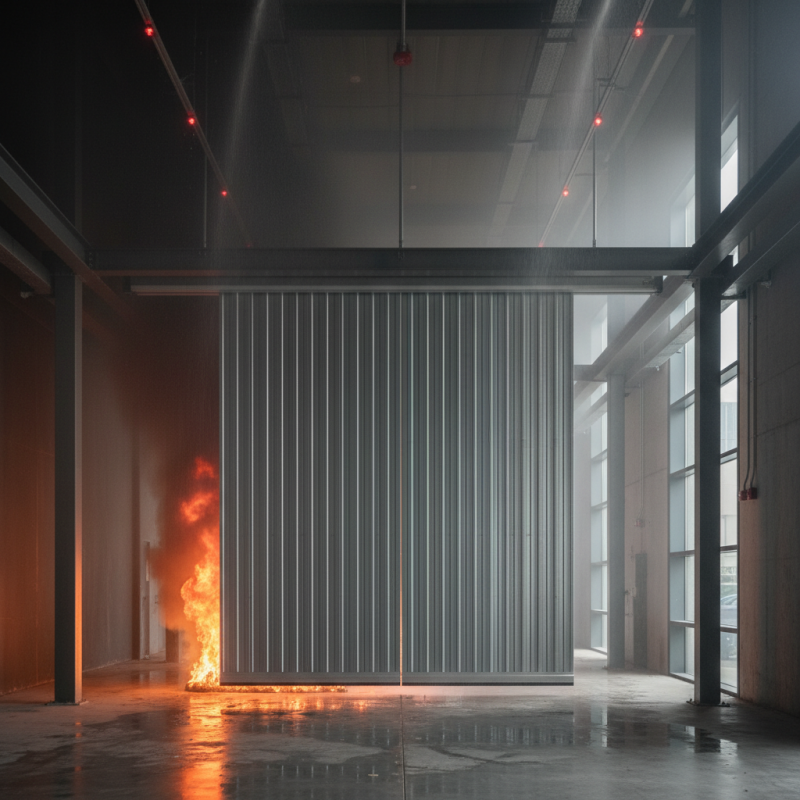
Definition and Purpose of an Automatic Fire Shutter
Automatic fire shutters are essential safety devices used in buildings. They serve two main purposes: preventing the spread of fire and smoke, and protecting property and lives. According to the National Fire Protection Association, over 1,000,000 fires occur annually in the U.S. alone, causing billions in damages. An automatic fire shutter acts as a barrier during such incidents, blocking flames and toxic smoke from spreading.
The design of these shutters is crucial. Made from specific fire-resistant materials, they deploy automatically when smoke detectors trigger. Many systems can close in seconds. The effectiveness of an automatic fire shutter is measured by its fire resistance rating, often ranging from 30 to 180 minutes. This time frame is critical for people evacuating and allows firefighters to respond effectively.
Despite their benefits, some challenges remain. Regular maintenance is essential for reliable operation. Inadequate inspections can lead to malfunction during a fire event. Additionally, many building owners overlook local regulations regarding fire safety equipment. Awareness is key. Knowledge of installation standards could save lives and property. Building safety should never be compromised.
What is an Automatic Fire Shutter and How Does It Work? - Definition and Purpose of an Automatic Fire Shutter
| Feature | Description | Purpose |
| Material | Typically made from steel or other fire-resistant materials | To withstand high temperatures and resist fire spread |
| Operation Mechanism | Automatically closes in response to smoke or heat detection | To contain fire and smoke within a designated area |
| Integration | Can be integrated with fire alarm systems | To enhance safety measures and response times |
| Installation Location | Installed in doorways, openings, and between compartments | To effectively limit the spread of fire and smoke |
| Maintenance | Regular inspections and maintenance required for reliable function | To ensure operational readiness in emergencies |
Components of an Automatic Fire Shutter System
An automatic fire shutter is a crucial safety feature in many buildings. Its system includes several key components. The shutter itself is typically made from a fire-resistant material, designed to restrict the spread of smoke and flames. Experts emphasize that using quality materials can improve performance significantly.
A reliable control mechanism is also essential. This system detects smoke or heat, triggering the shutter to close automatically. Commonly, it employs heat sensors or smoke detectors. According to industry reports, 70% of fire-related deaths occur in buildings lacking proper fire protection systems. These statistics highlight the importance of integrating effective detection systems into fire shutter designs.
Additionally, the shutter's power source requires careful consideration. Most systems use an electric motor. However, battery backups are recommended. A power outage during a fire could be disastrous. Maintenance is another area needing attention; regular inspections ensure these systems function properly. Failure to do so can lead to catastrophic failures during emergencies. While automatic fire shutters are effective, understanding and improving each component is vital for safety.
How Automatic Fire Shutters Detect and Respond to Fires
Automatic fire shutters are vital for fire safety in buildings. They detect smoke and heat to prevent fires from spreading. Sensors are crucial in this system. They work by monitoring the environment constantly. When smoke or heat is detected, the shutters close automatically. This action can limit damage.
Tips for maintaining fire shutters include regular testing. Ensure that all sensors function properly. Also, check for any obstructions that might prevent the shutters from closing. This can save lives and property.
Consider that no system is perfect. False alarms can occur due to dust or other factors. Regular cleaning and maintenance are necessary to minimize these issues. Keeping the area around sensors clear improves reliability. Staying proactive in these areas is essential for safety.
Automatic Fire Shutter Response Times
This bar chart illustrates the various response times associated with automatic fire shutters, including the detection time, activation time, closing time, and total response time. Understanding these metrics is crucial for fire safety and efficiency in fire protection systems.
Installation and Maintenance of Automatic Fire Shutters
Installing an automatic fire shutter involves careful planning and precision. These devices must fit specific dimensions within a building. Accurate measurements are crucial. If the shutter is too large or small, it may fail in an emergency. The installation should comply with local fire safety regulations. It's vital to work with qualified professionals. They understand the nuances of proper installation.
Routine maintenance is essential for reliability. Regular checks must be performed to ensure the shutter operates smoothly. This includes testing the sensors and mechanisms. Neglected shutters can malfunction when needed most. Owners should also keep the installation area clear. Obstructions could hinder the shutter's function. It's a simple task, but often overlooked.
Some may find the maintenance procedures tedious. However, consistent upkeep can save lives. Ignoring wear and tear only leads to bigger issues. Parts may need replacement over time. This requires a keen eye for detail. Owners should create a maintenance schedule. It helps to stay organized and ensures safety measures are always effective.
Benefits and Limitations of Using Automatic Fire Shutters
Automatic fire shutters are essential for enhancing fire safety in buildings. These devices close automatically when a fire alarm activates. They help to contain smoke and flames, preventing them from spreading. This capability can save lives and protect property.
One of the main benefits of automatic fire shutters is their reliability. They function without human intervention. This can be critical during emergencies when people may not act swiftly. However, maintenance is essential. Regular checks ensure that these shutters work when needed. Neglecting maintenance could lead to malfunction.
Another advantage is the flexibility they offer. Automatic fire shutters can be customized for different spaces, such as commercial buildings, factories, and even residential homes. Yet, it’s crucial to assess the installation site. A poorly chosen location can limit their effectiveness.
Tips for using automatic fire shutters:
- Ensure your fire safety plan includes regular inspections.
- Train staff on how these systems work.
- Awareness is key during emergencies.
- Consider the limitations of your chosen shutters; they may not be suitable for all environments.