2026 Top Stair Tread Trends for Global Buyers to Watch?
As we approach 2026, it is crucial to observe emerging trends in Stair Tread design and functionality. The global market is dynamic, with innovative materials and designs reshaping how stair treads are viewed. Stair treads play a vital role in safety and aesthetics. They must be durable yet visually appealing, catering to various consumer needs.
Key factors influencing stair tread trends include sustainability, comfort, and slip-resistance. Many buyers prioritize eco-friendly materials that reduce environmental impact. Others focus on advanced technologies that enhance safety without compromising style. The rise of custom designs allows for unique stair tread solutions tailored to different settings, from residential spaces to commercial buildings.
However, the market is not without challenges. Some consumers may struggle to choose materials that balance beauty and safety. Additionally, the vast options can lead to confusion. Educating buyers about the benefits of various stair tread options is essential. As we delve deeper into these trends, staying informed will empower global buyers to make wiser decisions for their stairway projects.
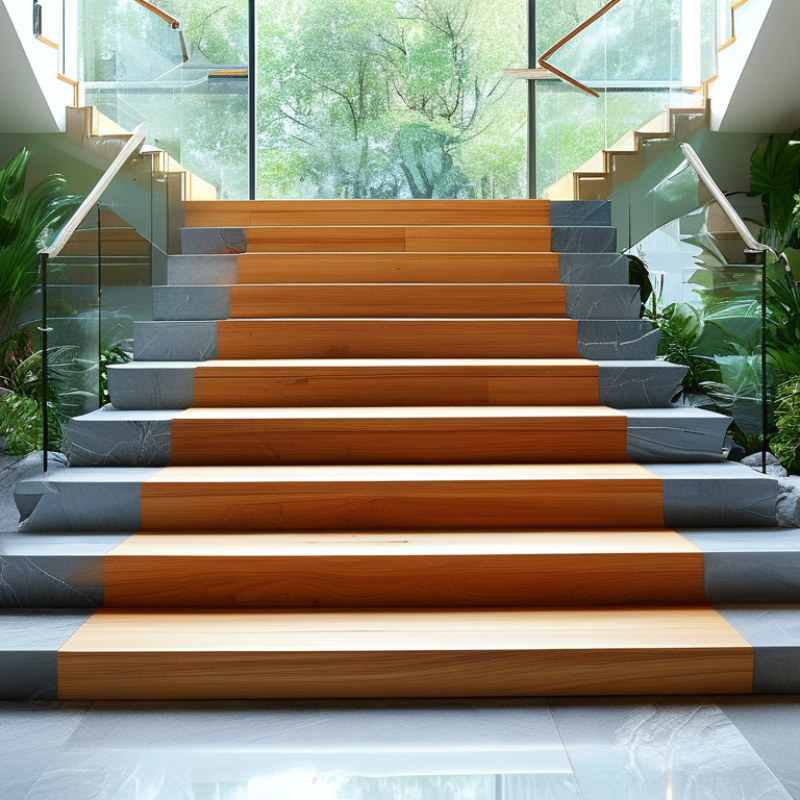
Emerging Materials in Stair Tread Manufacturing for 2026
As we approach 2026, innovative materials are reshaping the stair tread manufacturing landscape. Eco-friendly alternatives are gaining traction. According to recent market research, the demand for sustainable materials in construction will grow by nearly 30% in the next few years. Buyers are increasingly prioritizing products that align with environmental standards and reduce carbon footprints.
Wood-plastic composites (WPC) are becoming popular due to their durability and resistance to moisture. WPC combines the aesthetic appeal of wood with the robustness of plastic. Industry analysts project that WPC usage in stair treads will rise significantly, perhaps reaching a market share of 15% by 2026. Additionally, fiber-reinforced polymers are making headway, offering lightweight yet sturdy options that provide excellent slip resistance.
However, the shift towards these materials comes with challenges. Sourcing high-quality recycled content is often inconsistent. Manufacturers must also ensure that the materials meet safety standards. Many buyers report confusion about certifications and regulations. This creates a growing need for transparency and education within the industry. As buyers navigate these advancements, being informed will be crucial.
Innovative Design Trends Shaping Stair Treads for Global Markets
As we look towards 2026, innovative design trends in stair treads are capturing global attention. Sustainability continues to drive choices. More buyers prefer eco-friendly materials. Recycled wood and sustainable composites are becoming popular. These materials not only reduce environmental impact but also offer unique textures and appearances.
Color and pattern are essential in contemporary stair tread design. Bold colors can transform a standard staircase into a statement piece. Intricate patterns add depth and character. However, not every design will fit every space. Finding the right balance between aesthetics and practicality can be challenging.
Safety features are increasingly prioritized. Buyers now seek treads that reduce slip risks while maintaining style. Textured surfaces provide better grip, but aesthetic appeal remains crucial. It's vital to explore combinations that meet both functional and visual needs. The trends of 2026 will reflect a growing desire for both beauty and safety in stair tread design. This dual focus can sometimes clash, prompting buyers to carefully evaluate their choices.
Sustainability Practices Influencing Stair Tread Production
Sustainability is reshaping many industries, and the stair tread sector is no exception. Buyers are becoming more conscious of the environmental impacts of their purchases. This trend leads to increased demand for eco-friendly materials and manufacturing processes. Natural woods, recycled plastics, and non-toxic finishes are gaining popularity. These materials not only look great but also reduce environmental footprints.
When choosing stair treads, consider sourcing from manufacturers that prioritize sustainability. Many companies are adopting practices that minimize waste and energy consumption. Look for certifications that indicate eco-friendly production methods. Providing transparency in sourcing and manufacturing builds trust with consumers.
Tips: Always ask about the materials used in production. Eco-friendly options may come with higher initial costs but can lead to long-term savings. Remember, sustainable choices contribute positively to the environment. Evaluate your options and consider the lifecycle of the products you choose. Reflecting on these choices now can lead to better outcomes for future generations.
2026 Top Stair Tread Trends for Global Buyers
Technological Advancements in Safety Features for Stair Treads
As the stair tread market evolves, safety features are increasingly crucial. Recent studies indicate that slips and falls account for over 25% of all workplace injuries. Innovative technologies are being integrated into stair treads to mitigate these risks. Textured surfaces, for instance, can significantly enhance grip in wet or slippery conditions. Engineers have also developed treads with built-in lighting. This improvement makes stairs more visible, reducing accidents during low-light conditions.
Beyond basic safety, some products now incorporate smart technology. These advancements can monitor foot traffic and detect when stairs are most often used. Such data could lead to improvements in design and placement. However, not all innovations are foolproof. While new materials can offer durability, they may not always provide adequate slip resistance. Ongoing testing and user feedback are essential to refine these advancements.
In the realm of design, aesthetics are equally important. Some manufacturers are focusing on how safety features can blend seamlessly with architectural styles. This trend reflects a need for balance between functionality and visual appeal, but it raises questions. Are we prioritizing appearance over safety? In an ever-evolving market, awareness and adaptability will be crucial for buyers looking to make informed decisions.
Consumer Preferences and Market Demands in Stair Tread Selection for 2026
As we look towards 2026, consumer preferences in stair tread selection are evolving rapidly. Buyers seek more than just functionality. They are looking for aesthetics that match home decor. Textures and colors play a pivotal role in decision-making. Natural wood finishes and vibrant hues are gaining traction. Sustainability is another significant factor. Many consumers prefer eco-friendly materials that contribute to green living.
Market demands reflect a shift towards safety and durability. Slip-resistant surfaces are increasingly prioritized. Buyers want assurance that their choices will minimize accidents. There is also a growing interest in customizable options. Consumers desire features tailored to their specific needs. This trend suggests a move away from one-size-fits-all solutions.
Yet, challenges remain. Many consumers may not be fully aware of the available materials. Brand awareness is still a hurdle. Some buyers expect lower prices without recognizing the value of quality. It is crucial for industry players to educate their clients. Comprehensive information could bridge the gap between need and choice.
2026 Top Stair Tread Trends for Global Buyers to Watch
| Trend | Consumer Preference | Market Demand (%) | Material Type |
| Eco-friendly Treads | High | 35% | Recycled Materials |
| Anti-slip Features | Very High | 27% | Rubber & PVC |
| Color Customization | Moderate | 20% | Wood & Composite |
| Designer Treads | Growing | 15% | Natural Stone |
| Smart Technology Integration | Emerging | 5% | High-tech Composites |