2026 Best Hydraulic Proportional Valve Options Reviewed
In the world of hydraulic systems, the Hydraulic Proportional Valve stands out as a crucial component. This valve controls fluid flow and pressure with precision, ensuring machinery operates smoothly. Various models are available in 2026, each offering unique features and capabilities.
Investing in the right Hydraulic Proportional Valve can significantly impact productivity. However, the abundance of options can be overwhelming. Users may find it challenging to select the ideal model tailored to their specific applications. It's essential to evaluate performance, durability, and compatibility with existing systems.
Not all valves will meet every need. Some may lack the necessary adjustments for varying loads. Others might not perform well in extreme environments. Thus, thorough research becomes vital in choosing the best solution. We will explore the top options available, highlighting their pros and cons for informed decision-making.
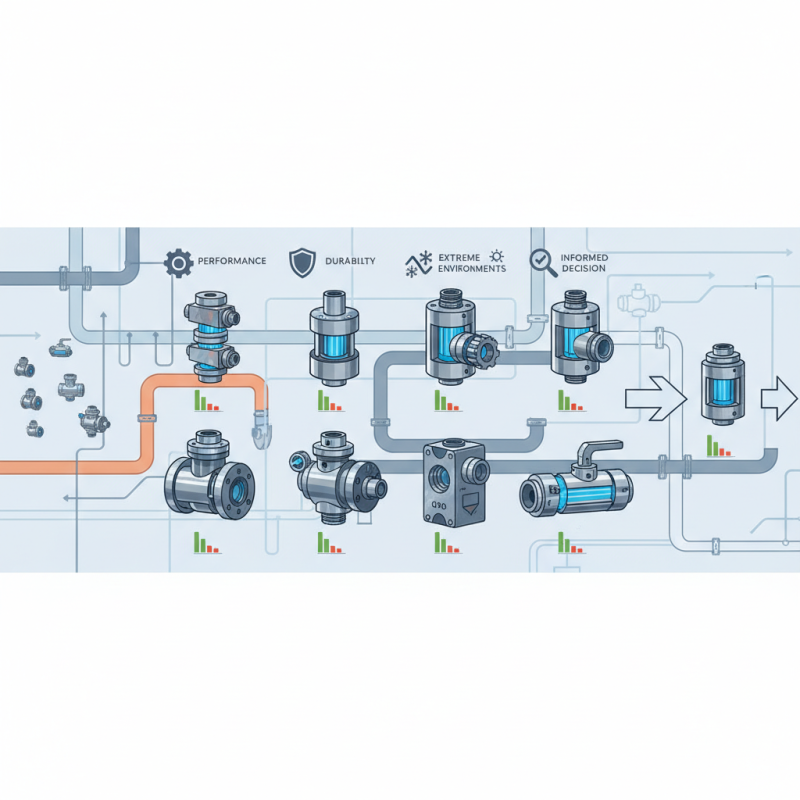
Overview of Hydraulic Proportional Valves and Their Applications
Hydraulic proportional valves are essential components in hydraulic systems. They manage fluid flow and pressure based on input signals. This capability allows for precise control in various applications, such as manufacturing and mobile equipment.
In construction machinery, these valves enable smooth operations. They control the speed of hydraulic motors and cylinders effectively. For instance, when excavating, a well-functioning valve can adjust the arm's speed based on load demands. However, improper installation can lead to inefficiencies. It is crucial to ensure correct alignment and connection of these valves.
Tips: Regular maintenance is vital for optimal performance. Look for leaks or unusual noises during operation. Also, monitor response times. If there are delays, it may indicate a need for adjustment or replacement. Ensuring your hydraulic system is in top shape can prevent costly repairs down the line. Always consult manuals for best practices related to your specific application.
Key Factors to Consider When Selecting Hydraulic Proportional Valves
When selecting hydraulic proportional valves, several key factors come into play. The pressure rating is crucial. Different applications demand different pressure levels. Make sure the valve can handle your system's pressure. If it cannot, you could face failures. Another essential factor is the flow rate. This dictates how quickly hydraulic fluid moves through the system. A mismatch here can lead to inefficiencies.
Port types matter, too. Ensure they match your existing setup. Different ports can complicate installation and performance. The response time of the valve is also significant. It should be quick enough for your application. Slow response can lead to sluggish operations, impacting productivity.
Compatibility cannot be overlooked. Check the materials used. Some environments may cause certain materials to degrade. A mismatch could result in costly repairs. It's also wise to evaluate ease of maintenance. Some designs are more complicated and can be difficult to service. Think carefully about these aspects. They can make or break your project’s success.
2026 Best Hydraulic Proportional Valve Options Reviewed
| Model | Flow Rate (L/min) | Pressure Rating (bar) | Control Type | Response Time (ms) | Weight (kg) |
| A1 | 50 | 250 | Electric | 30 | 5 |
| B2 | 75 | 300 | Pneumatic | 25 | 7 |
| C3 | 60 | 200 | Hydraulic | 20 | 6 |
| D4 | 80 | 350 | Electric | 22 | 8 |
Top Hydraulic Proportional Valve Models Reviewed for 2026
When choosing hydraulic proportional valves for 2026, it’s essential to consider various factors. The market offers several models, each tailored for specific applications. Some valves excel in precision control, while others stand out for durability. Understanding these variations helps users make informed choices. For instance, certain models maintain accuracy under high-pressure conditions. They may work better in intense environments.
Tips: Always check the pressure ratings of the valve before purchasing. This can prevent failures in demanding situations. Moreover, consider compatibility with your existing system. A mismatched valve can lead to inefficiencies.
Users should also reflect on the installation process. Some models require more space and expertise, which might delay projects. Assess the ease of integration with current equipment. This could save time and costs in the long run. Regular maintenance is crucial for keeping the system operational. Skipping this step can lead to unexpected breakdowns.
Ultimately, being aware of your needs can guide you in selecting the right model. Each application is unique, and the best valve should align with those specific demands.
Comparative Analysis of Performance Metrics in Hydraulic Valves
Hydraulic proportional valves play a crucial role in fluid power systems. When analyzing performance metrics, various factors come into play. Response time is essential; a valve that responds quickly enhances system efficiency. Yet, some models lag in this aspect, impacting overall performance. This delay can lead to inefficient machinery operation.
Another key metric is flow rate. It determines how much fluid the valve can control effectively. In some cases, the advertised flow rate does not match real-world conditions. This discrepancy indicates that users must explore various options to find the right fit. Evaluating the pressure drop across the valve also matters. A higher drop can signal potential issues in the system, which may require further analysis.
Durability is a common consideration but often overlooked in reviews. Some valves may be robust but fail under heavy usage. A careful assessment of operating conditions can lead to better long-term decisions. Testing several models in real-world scenarios exposes their strengths and weaknesses. Fine-tuning choices based on specific needs can significantly affect operational success.
Maintenance and Troubleshooting Tips for Hydraulic Proportional Valves
Hydraulic proportional valves play a crucial role in modern hydraulic systems. These components manage flow and pressure, ensuring machines operate efficiently. However, regular maintenance is vital. Research shows that improper maintenance can lead to a 30% reduction in system efficiency. This can result in costly downtimes and repairs.
Routine checks should include inspecting seals and connections. Leaks often happen at these points. Monitoring fluid quality is important too. Contaminated fluid can cause wear and failure of the valve. Data indicates that 40% of valve failures are related to poor fluid conditions. If you notice unusual noises or sluggish movements, it could signal underlying issues.
When troubleshooting, start by checking electrical connections. Loose connections can disrupt operation. Furthermore, calibration issues can lead to inaccurate valve response. A proactive approach can save significant repair costs. Regular training on maintenance practices is also essential. Operators must understand how to identify early warning signs effectively. Ignoring these factors can lead to bigger problems.